XRP Gains Major Adoption Boost as Rakuten Wallet Enables Payments in Japan

XRP Gains Major Adoption Boost as Rakuten Wallet Enables Payments in Japan
By
Alina Sinclair
Last updated:
April 14, 2026
First Published:
April 25, 2026

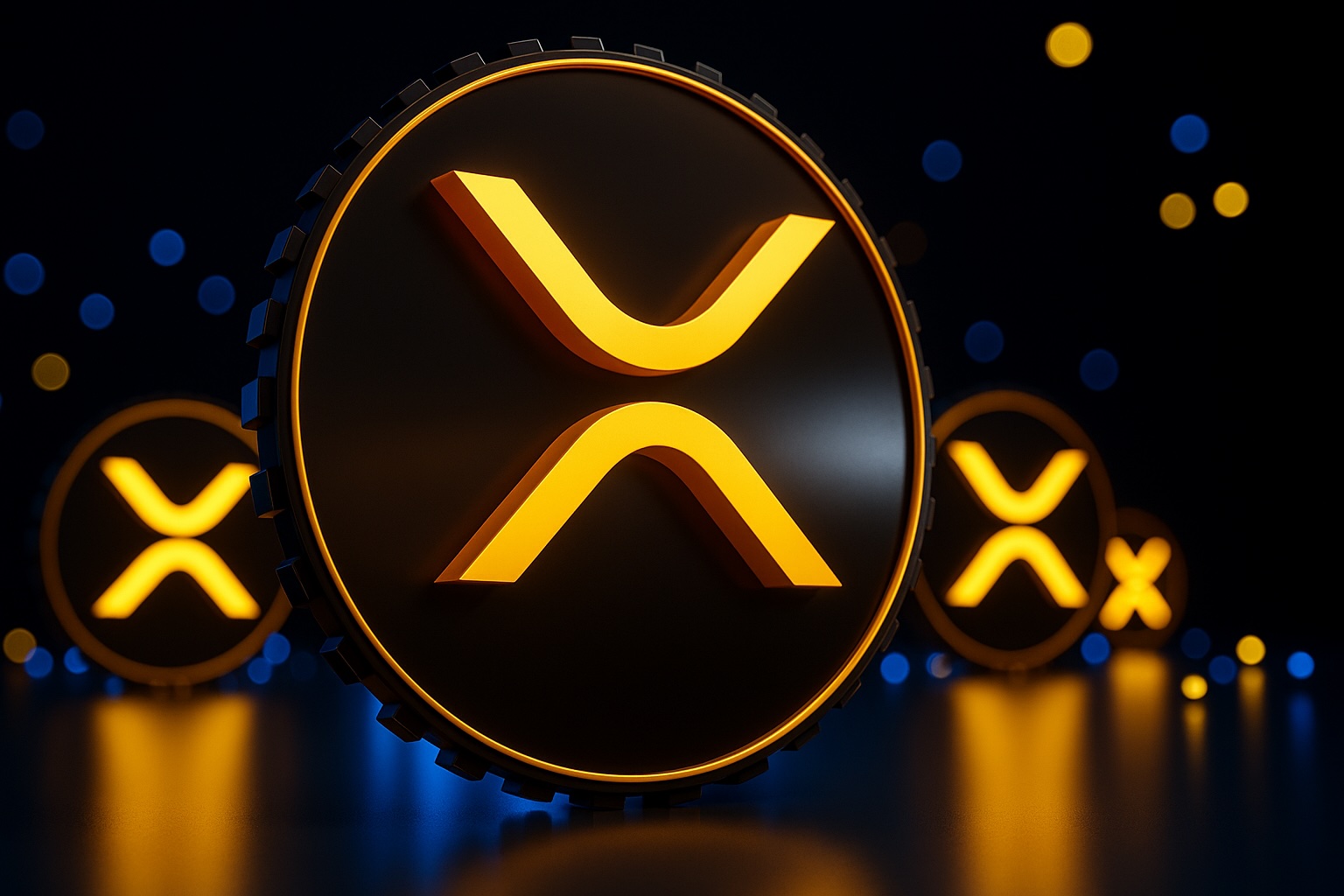
XRP is experiencing renewed momentum following a major adoption milestone in Japan, where Rakuten Wallet has integrated XRP into its payment ecosystem. This development is being viewed as a meaningful step forward in the long standing narrative of XRP as a bridge currency for fast and low cost transactions across borders.
The integration with Rakuten Wallet significantly expands XRP’s real world usability. Rakuten, a major player in Japan’s digital commerce and fintech landscape, processes a wide range of consumer and merchant transactions. By enabling XRP based payments, the platform is effectively introducing the asset to a broader base of everyday users beyond speculative trading environments.
One of the core advantages driving XRP adoption is its transaction efficiency. The network is designed for fast settlement times and relatively low fees, making it suitable for micro transactions as well as larger cross border transfers. These features are particularly relevant in markets like Japan, where digital payment systems are highly advanced and consumer expectations for speed are extremely high.
This move also highlights the continued expansion of blockchain based payment systems into mainstream financial applications. While many cryptocurrencies remain primarily investment focused, XRP is increasingly being positioned as a functional asset within payment rails. The Rakuten Wallet integration reinforces this shift toward utility driven adoption.
Institutional observers are closely watching how this integration performs in real world conditions. If user adoption scales successfully, it could encourage other financial platforms and e commerce ecosystems to explore similar integrations. This would further strengthen XRP’s role within global payment infrastructure.
Another important dimension is the regulatory environment in Japan, which has historically been more structured and transparent compared to many other jurisdictions. This clarity has allowed fintech companies like Rakuten to experiment with digital assets in a controlled manner, reducing uncertainty for both businesses and consumers.
Market sentiment around XRP has also been influenced by this development. Increased utility often translates into stronger long term confidence among investors, particularly when adoption is tied to established corporate platforms. This can contribute to more stable demand dynamics compared to purely speculative price movements.
At the same time, analysts emphasize that adoption alone does not guarantee immediate price impact. Market behavior is still influenced by broader macro conditions, liquidity cycles, and investor sentiment across the entire crypto sector. However, sustained integration into payment systems is viewed as a strong fundamental driver over time.
The integration also reflects a wider trend of fintech companies incorporating multiple digital assets into their ecosystems. Rather than focusing on a single cryptocurrency, platforms are increasingly diversifying their offerings to meet user demand and regulatory expectations. XRP’s inclusion in this mix strengthens its visibility and relevance.
Competition in the cross border payments sector remains intense, with multiple blockchain projects and traditional financial networks vying for dominance. XRP’s advantage lies in its early focus on institutional grade payment solutions and its established network relationships. Continued adoption in markets like Japan could reinforce this competitive positioning.
Overall, the Rakuten Wallet integration represents a significant step in XRP’s evolution from a speculative asset to a more utility driven financial instrument. As real world usage expands, XRP’s role in the broader digital payment landscape is likely to become more prominent, particularly in regions that are actively embracing fintech innovation.

Popular articles



Subscribe to unlock premium content
Imran Khan’s Economic Missteps Amid Political Chaos in Pakistan
The Philippines’ Digital Shift How Remittances and BPO Are Fueling Growth

Is the Era of Globalization Over or Just Evolving?
Imran Khan’s Economic Missteps Amid Political Chaos in Pakistan
The Philippines’ Digital Shift How Remittances and BPO Are Fueling Growth
Imran Khan’s Economic Missteps Amid Political Chaos in Pakistan