Crypto Markets Face Pressure Amid Global Geopolitical Tensions and Risk Off Trading

Crypto Markets Face Pressure Amid Global Geopolitical Tensions and Risk Off Trading
By
Augusta Parker
Last updated:
May 31, 2026
First Published:
May 31, 2026


Cryptocurrency Markets Enter a Period of Heightened Caution
The cryptocurrency market has once again found itself under pressure as investors react to a combination of geopolitical uncertainty, economic concerns, and broader risk off sentiment across global financial markets. Bitcoin, Ethereum, and many leading digital assets have experienced increased volatility as traders reassess risk exposure and monitor developments that could influence the direction of the world economy.
While cryptocurrencies were once viewed primarily as assets operating independently from traditional financial markets, recent years have demonstrated that they are increasingly interconnected with broader economic trends. Investor behavior across stocks, commodities, bonds, and digital assets often reflects similar concerns during periods of uncertainty.
As geopolitical developments continue unfolding around the world, market participants are paying close attention to how these events may influence capital flows, investor confidence, and overall market stability.
Understanding Risk Off Market Behavior
Risk off trading is a term commonly used in financial markets to describe periods when investors become more cautious and reduce exposure to assets perceived as higher risk. During these phases, capital often shifts toward traditionally defensive investments while speculative sectors experience increased selling pressure.
Cryptocurrencies frequently fall into the category of risk sensitive assets because they are known for their volatility and potential for significant price fluctuations. As a result, when uncertainty increases, some investors choose to reduce positions in digital assets until market conditions become clearer.
This pattern has become increasingly visible as cryptocurrency markets mature and attract greater participation from institutional investors whose decisions are often influenced by broader economic conditions.
Geopolitical Events Continue to Influence Investor Sentiment
Global financial markets rarely operate in isolation from political and international developments. Conflicts, diplomatic tensions, trade disputes, and security concerns can all affect investor confidence and market behavior.
When uncertainty rises on the global stage, investors often reassess portfolio allocations and seek greater protection against unexpected market shocks. These decisions can impact a wide range of asset classes, including cryptocurrencies.
The current environment demonstrates how digital asset markets have become part of a larger global financial ecosystem where geopolitical events can influence trading activity, sentiment, and investment strategies.
Bitcoin Remains the Focus of Market Attention
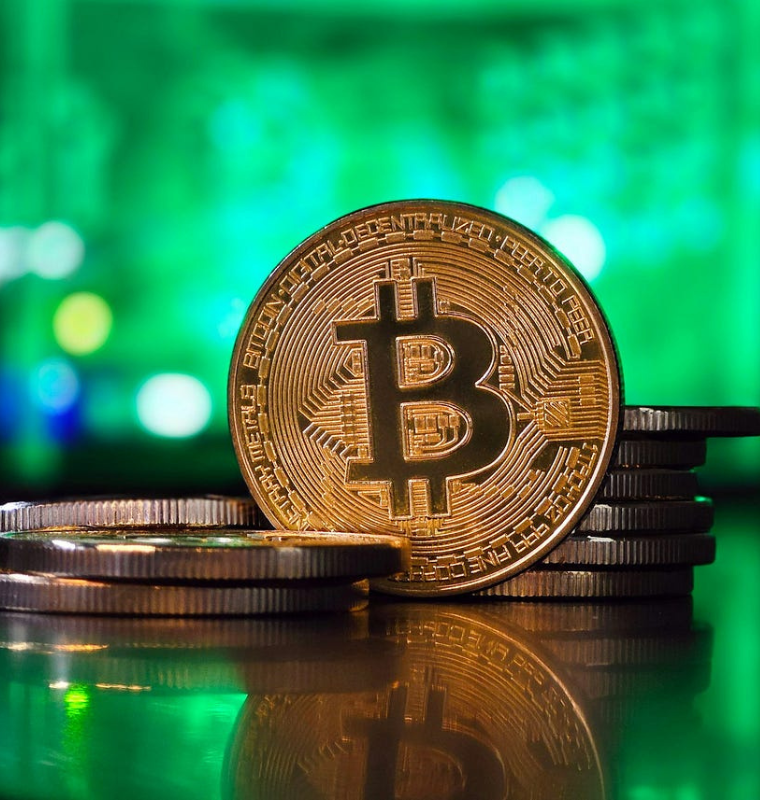
During periods of market uncertainty, Bitcoin typically receives the greatest attention from investors and analysts. As the largest cryptocurrency by market value, Bitcoin often serves as a benchmark for the overall health of the digital asset sector.
Recent price movements have reflected the broader caution affecting financial markets. Although Bitcoin continues to attract long term interest from institutions and individual investors, short term volatility remains a defining characteristic of the asset.
Many market participants are closely watching whether Bitcoin can maintain key support levels and continue demonstrating resilience despite external economic pressures.
Altcoins Often Experience Greater Volatility
While Bitcoin generally dominates market discussions, alternative cryptocurrencies frequently experience even greater volatility during risk off periods. Investors tend to prioritize liquidity and relative stability when uncertainty rises, often leading to stronger selling pressure in smaller digital assets.
This dynamic can create significant price swings across various sectors of the cryptocurrency ecosystem, including decentralized finance projects, blockchain infrastructure tokens, gaming assets, and emerging digital currencies.
The result is a market environment where risk management becomes increasingly important for investors seeking to navigate rapidly changing conditions.
Economic Uncertainty Adds Another Layer of Complexity
In addition to geopolitical concerns, investors continue monitoring economic indicators that may influence financial markets. Inflation data, central bank policies, employment reports, and economic growth projections all contribute to investor decision making.
Interest rate expectations remain particularly important because higher rates can affect liquidity conditions and investor appetite for risk assets. When borrowing costs rise or monetary policy becomes more restrictive, speculative investments often face additional pressure.
Cryptocurrency markets have become increasingly sensitive to these macroeconomic factors as institutional participation expands and digital assets become more integrated into mainstream investment portfolios.
Institutional Investors Are Taking a Measured Approach
The growing presence of institutional investors has changed how cryptocurrency markets respond to uncertainty. Professional asset managers often employ disciplined risk management frameworks that guide investment decisions during volatile periods.
Rather than reacting purely to short term headlines, institutions frequently evaluate broader economic trends, portfolio exposure levels, and long term strategic objectives. This approach can contribute to more measured market behavior compared to earlier stages of cryptocurrency development.
However, institutional caution can also result in reduced risk taking when uncertainty remains elevated, creating temporary pressure on digital asset prices.
Long Term Adoption Trends Remain Intact
Despite short term market challenges, many of the factors supporting cryptocurrency adoption remain in place. Blockchain innovation continues advancing, institutional infrastructure continues improving, and public awareness of digital assets remains significantly higher than in previous years.
Many investors view current market volatility as part of a natural cycle rather than a fundamental threat to the industry's future. Historical market patterns suggest that periods of uncertainty often coexist with ongoing technological progress and ecosystem development.
As a result, long term participants frequently focus on adoption metrics and infrastructure growth rather than short term price fluctuations alone.
Market Psychology Plays a Critical Role
Financial markets are influenced not only by economic data and geopolitical developments but also by investor psychology. Fear, uncertainty, confidence, and expectations often shape market behavior as much as objective information.
Periods of heightened tension can amplify emotional decision making, leading to increased volatility and rapid shifts in sentiment. Cryptocurrency markets, which already experience higher volatility than many traditional asset classes, can be particularly sensitive to changes in investor mood.
Understanding these psychological dynamics is essential for interpreting market movements during uncertain periods.
Opportunities Often Emerge During Volatile Conditions
While market volatility creates challenges, it can also generate opportunities. Experienced investors often view periods of uncertainty as moments to evaluate long term investment theses and identify assets they believe may be undervalued relative to future potential.
Throughout financial history, some of the most significant investment opportunities have emerged during times of widespread caution. Although risks remain present, periods of market weakness often encourage deeper analysis and more disciplined investment approaches.
This perspective continues to attract investors who maintain confidence in the long term growth of the cryptocurrency sector.
The Industry Faces Another Test of Resilience
The current pressure facing cryptocurrency markets reflects the complex environment in which digital assets now operate. Geopolitical tensions, economic uncertainty, and changing investor sentiment have combined to create a challenging landscape for traders and investors alike.
Yet these conditions also demonstrate how far the industry has progressed. Cryptocurrency markets are no longer isolated from the broader financial system. They are increasingly influenced by the same forces that shape stocks, commodities, and global capital flows.
As investors navigate the weeks and months ahead, the ability of digital assets to withstand uncertainty will remain an important measure of the sector's maturity.
Looking Beyond Short Term Uncertainty
Although risk off sentiment has created pressure across cryptocurrency markets, many investors continue focusing on the industry's long term trajectory. Adoption, innovation, regulatory progress, and institutional participation remain powerful forces shaping the future of digital assets.
Short term volatility may dominate headlines, but the broader story involves an industry that continues evolving despite external challenges. The current environment serves as another reminder that cryptocurrencies operate within a global financial system influenced by countless interconnected factors.
For investors, understanding this relationship may be just as important as tracking price movements themselves. As global events continue unfolding, the cryptocurrency market's response will offer valuable insight into its growing role within the modern financial world.
Popular articles



Subscribe to unlock premium content
Imran Khan’s Economic Missteps Amid Political Chaos in Pakistan

The Philippines’ Digital Shift How Remittances and BPO Are Fueling Growth

Is the Era of Globalization Over or Just Evolving?
Imran Khan’s Economic Missteps Amid Political Chaos in Pakistan
The Philippines’ Digital Shift How Remittances and BPO Are Fueling Growth
Imran Khan’s Economic Missteps Amid Political Chaos in Pakistan