Bitcoin Holds Near $73K as ETF Demand and Falling Exchange Reserves Support Market Sentiment

Bitcoin Holds Near $73K as ETF Demand and Falling Exchange Reserves Support Market Sentiment
By
Leah Rosenfeld
Last updated:
May 31, 2026
First Published:
May 31, 2026

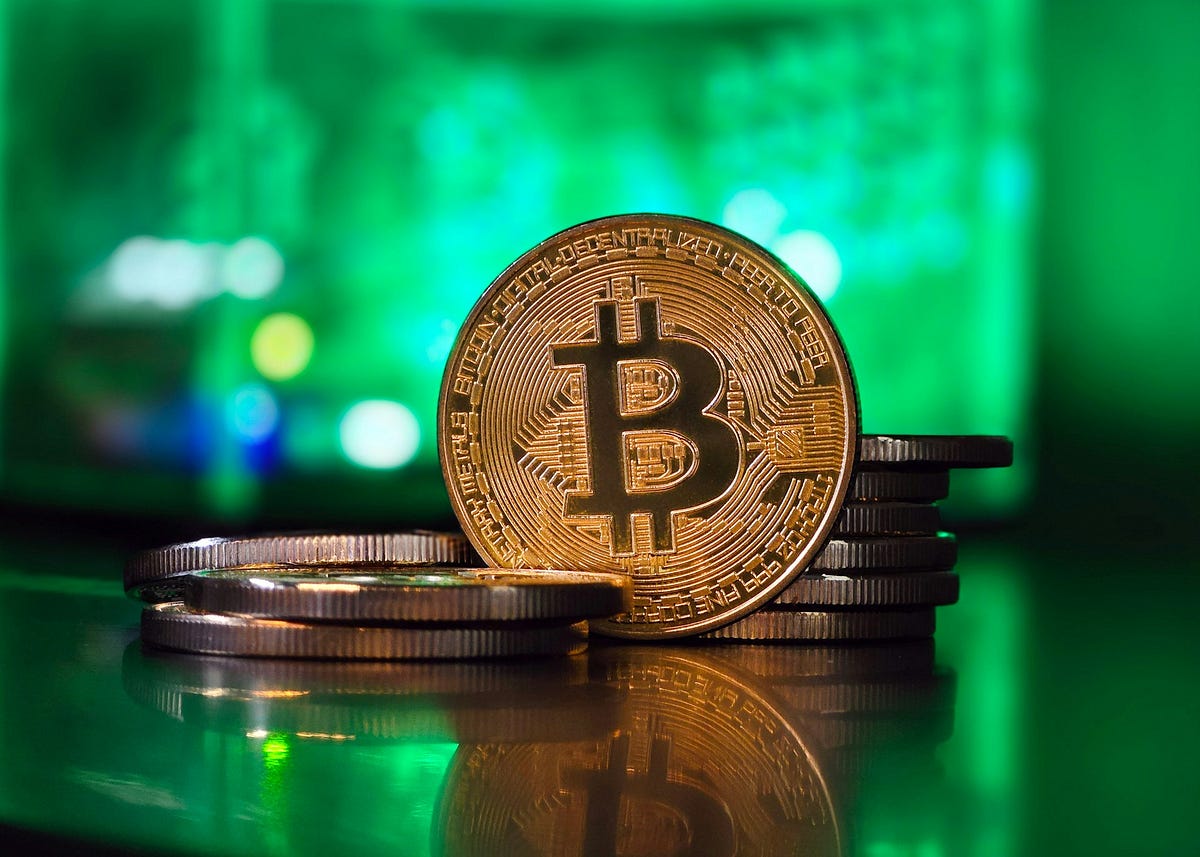
Photo: Medium
Bitcoin Demonstrates Resilience Despite Recent Market Volatility
Bitcoin continues to capture the attention of investors around the world as it maintains its position near the $73,000 level. While periods of price fluctuation remain a normal part of the cryptocurrency market, the leading digital asset has shown remarkable resilience in the face of economic uncertainty, shifting investor sentiment, and evolving market conditions.
The current market environment is particularly noteworthy because Bitcoin's stability is being supported by two powerful forces. The first is sustained demand from exchange traded funds, which continue attracting institutional and retail capital. The second is the ongoing decline in exchange reserves, a trend that suggests many investors are choosing to hold their assets rather than make them immediately available for sale.
Together, these factors are shaping a narrative that remains constructive for Bitcoin's long term outlook.
ETF Demand Continues to Transform the Bitcoin Market
The introduction of Bitcoin exchange traded funds has fundamentally changed how investors access the cryptocurrency market. These investment vehicles provide exposure to Bitcoin through familiar brokerage platforms, removing many of the technical barriers that previously discouraged participation.
As ETFs gained popularity, they opened the door for a broader range of investors, including financial advisors, pension funds, family offices, and institutional asset managers. This new source of capital has created a more diverse investor base and contributed to increased market liquidity.
The continued inflow of funds into Bitcoin ETFs reflects growing confidence among investors who view digital assets as an increasingly important component of modern investment portfolios.
Institutional Participation Remains a Key Growth Driver
Institutional involvement has become one of the defining themes of Bitcoin's evolution. Unlike retail traders who may react quickly to market news or short term price movements, institutions often operate with longer investment horizons and more structured decision making processes.
Many professional investors view Bitcoin as a unique asset that offers diversification benefits and exposure to a rapidly developing financial sector. As a result, institutional demand has become an important source of stability during periods of market uncertainty.
The ongoing interest from large investors suggests that Bitcoin is continuing to gain acceptance within traditional financial circles, an important milestone for the broader cryptocurrency industry.
Falling Exchange Reserves Capture Investor Attention
One of the most closely watched indicators in the cryptocurrency market is the amount of Bitcoin held on exchanges. Exchange reserves represent the quantity of Bitcoin that investors have deposited onto trading platforms and can potentially sell at any time.
When exchange reserves decline, it often indicates that investors are transferring their holdings into private wallets or long term storage solutions. This behavior is frequently interpreted as a sign of confidence because it suggests that holders are less interested in immediate selling opportunities.
The continued reduction in exchange reserves has become a major talking point among market observers who believe the trend may contribute to tighter supply conditions over time.
Supply Dynamics Play a Critical Role
Like any financial asset, Bitcoin's price is influenced by the relationship between supply and demand. While demand continues to receive support from ETF inflows and institutional participation, supply dynamics have also become increasingly important.
A growing number of investors appear willing to hold Bitcoin for extended periods rather than actively trade it. When fewer coins are available on exchanges, the liquid supply decreases, potentially creating conditions that support price stability or future appreciation.
This combination of strong demand and constrained supply has become one of the most frequently cited arguments among market participants who maintain a positive long term outlook.
Long Term Investors Continue to Show Confidence
The behavior of long term Bitcoin holders offers valuable insight into market sentiment. Historically, periods characterized by strong conviction among long term investors have often coincided with constructive market environments.
Many holders appear focused on Bitcoin's broader adoption trajectory rather than short term fluctuations. They view the asset as part of a larger technological and financial transformation that may continue unfolding over many years.
This perspective encourages accumulation and long term storage rather than active trading, contributing to the decline in exchange reserves and reinforcing supply related market dynamics.
Global Economic Conditions Add Another Layer of Interest
Bitcoin's performance cannot be examined in isolation from the broader economic environment. Investors continue monitoring inflation trends, interest rate policies, government debt levels, and geopolitical developments that may influence financial markets.
Some market participants view Bitcoin as a potential hedge against monetary uncertainty, while others see it as a high growth asset connected to technological innovation. These differing perspectives contribute to sustained interest across various investor segments.
As global economic conditions evolve, Bitcoin remains part of an increasingly complex conversation about the future of money, investment diversification, and digital finance.
Market Maturity Is Becoming More Visible
The cryptocurrency market has matured significantly compared to its earlier years. Institutional participation, regulated investment products, improved infrastructure, and greater public awareness have all contributed to a more developed ecosystem.
This maturity is reflected in Bitcoin's ability to maintain relatively stable trading ranges even during periods of significant news activity. While volatility remains an inherent characteristic of digital assets, the market's structure is increasingly capable of absorbing large transactions and shifts in investor sentiment.
Such developments strengthen confidence among investors who may have previously viewed cryptocurrency markets as overly speculative or unstable.
Investor Psychology Remains an Important Factor
Financial markets are driven not only by data and economic fundamentals but also by human behavior. Confidence, expectations, and sentiment play critical roles in shaping investment decisions.
The combination of strong ETF demand and declining exchange reserves creates a narrative that many investors interpret positively. This perception can influence behavior by encouraging further accumulation and reinforcing existing market trends.
Although sentiment can change over time, the current environment appears to support continued interest from both new and existing participants in the Bitcoin ecosystem.
The Road Ahead for Bitcoin
Looking forward, Bitcoin's performance will likely continue to depend on a variety of interconnected factors. Institutional adoption, regulatory developments, technological innovation, macroeconomic conditions, and investor sentiment will all play important roles in determining future market direction.
The current situation, however, highlights a particularly important dynamic. Demand continues entering the market through investment products such as ETFs, while available supply on exchanges continues to decline. This relationship has become one of the strongest arguments supporting constructive market expectations.
While no market trend lasts forever, the combination of sustained investor interest and tightening available supply provides a compelling backdrop for Bitcoin's ongoing evolution.
A Market Built on Growing Confidence
Bitcoin's ability to remain near the $73,000 level while benefiting from continued ETF demand and falling exchange reserves demonstrates how much the cryptocurrency market has matured. Investors are increasingly approaching digital assets through a long term lens, supported by expanding institutional participation and improving financial infrastructure.
The current environment reflects more than a simple price story. It represents a market increasingly influenced by strategic investment decisions, evolving supply dynamics, and growing confidence in the future of digital assets.
As Bitcoin continues to establish its role within the global financial system, developments such as these will remain central to understanding where the market may be headed next.
Popular articles



Subscribe to unlock premium content
Imran Khan’s Economic Missteps Amid Political Chaos in Pakistan

The Philippines’ Digital Shift How Remittances and BPO Are Fueling Growth

Is the Era of Globalization Over or Just Evolving?
Imran Khan’s Economic Missteps Amid Political Chaos in Pakistan
The Philippines’ Digital Shift How Remittances and BPO Are Fueling Growth
Imran Khan’s Economic Missteps Amid Political Chaos in Pakistan