
CFTC Clears Path for First Regulated Bitcoin Perpetual Futures in the United States

CFTC Clears Path for First Regulated Bitcoin Perpetual Futures in the United States
By
Rachel Steinberg
Last updated:
May 31, 2026
First Published:
May 31, 2026

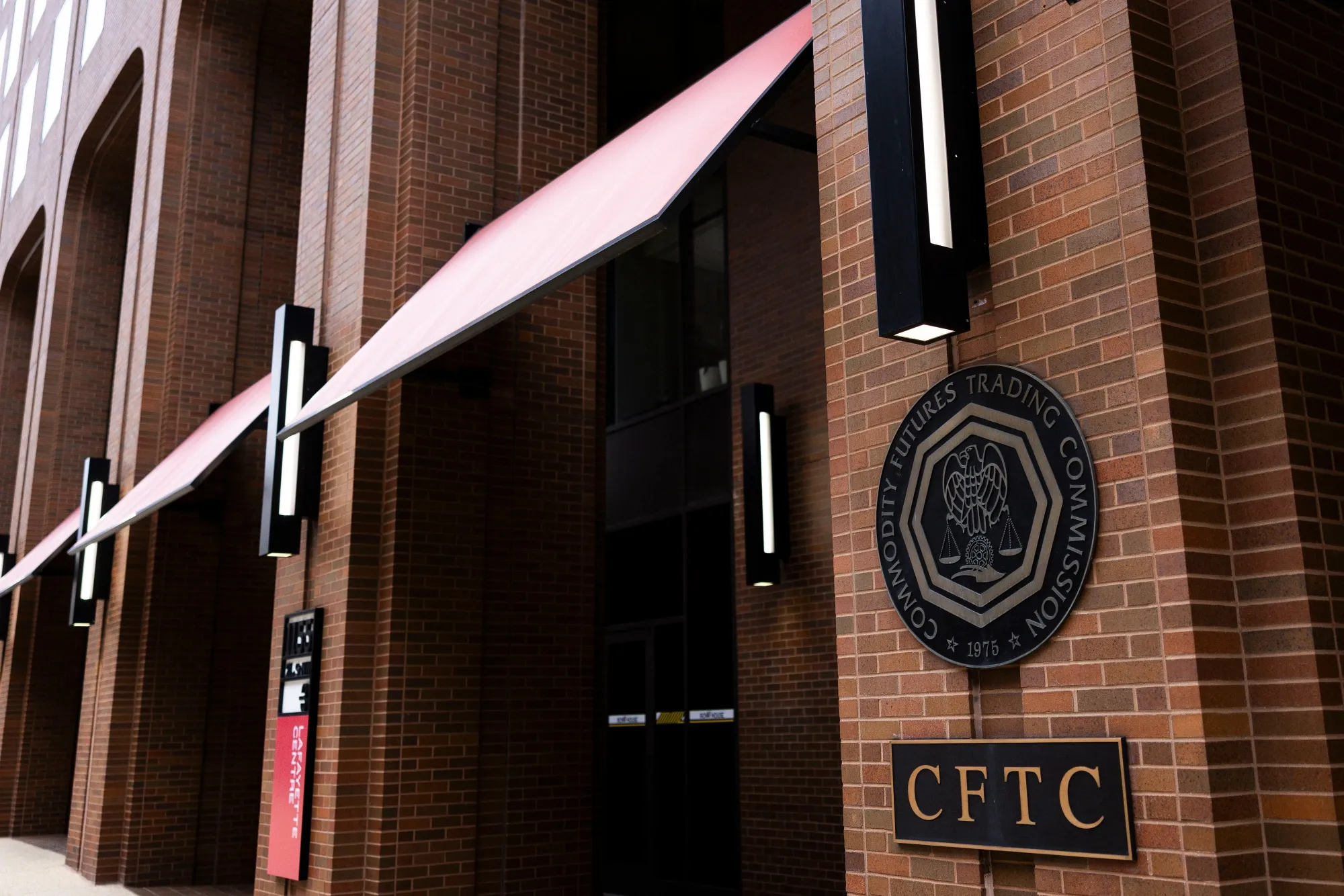
Photo: Bloomberg.com
The United States Moves Closer to a New Era of Cryptocurrency Trading
The cryptocurrency industry reached an important milestone as the path was cleared for the introduction of regulated Bitcoin perpetual futures in the United States. This development has attracted significant attention from investors, financial institutions, trading firms, and market analysts because perpetual futures have long been among the most popular products in global cryptocurrency markets.
For years, traders seeking access to perpetual futures often relied on offshore platforms operating outside the United States regulatory framework. The arrival of a regulated alternative could reshape the competitive landscape while providing investors with new opportunities to participate in digital asset markets through compliant and transparent financial products.
The decision represents another step in the ongoing integration of cryptocurrency markets into the broader financial system.
Understanding What Bitcoin Perpetual Futures Are
Perpetual futures are a unique type of derivatives contract that allows traders to speculate on the future price movement of an asset without requiring a specific expiration date. Unlike traditional futures contracts, which eventually expire and settle, perpetual futures can remain open indefinitely as long as traders maintain the necessary margin requirements.
This structure has made perpetual futures extremely popular among cryptocurrency traders because it offers greater flexibility and continuous exposure to market movements. Traders can establish positions that reflect their expectations regarding Bitcoin's future direction while managing risk according to their individual strategies.
The product has become one of the most actively traded instruments within global cryptocurrency markets due to its accessibility and versatility.
Why Regulation Matters for Market Growth
Regulation plays a crucial role in the development of financial markets. While innovation often drives new products and services, long term growth typically requires a framework that promotes transparency, investor protection, and market integrity.
The availability of regulated Bitcoin perpetual futures provides an environment where market participants can engage with these products under established oversight standards. This can increase confidence among investors who may have previously avoided cryptocurrency derivatives because of concerns related to platform reliability or regulatory uncertainty.
Clear regulatory pathways often encourage broader participation by creating greater trust in financial products and market infrastructure.
Institutional Investors Gain New Opportunities
One of the most significant implications of regulated perpetual futures is their potential appeal to institutional investors. Many professional asset managers operate under strict compliance requirements that limit their ability to use products offered through unregulated venues.
The introduction of a regulated framework may enable a wider range of institutions to explore Bitcoin derivatives as part of their investment and risk management strategies. This includes hedge funds, trading firms, asset managers, and other professional market participants seeking sophisticated tools for portfolio construction.
As institutional involvement grows, liquidity and market efficiency often improve, creating benefits that extend throughout the broader ecosystem.
The Evolution of Cryptocurrency Derivatives
Cryptocurrency derivatives have evolved considerably since the industry's early years. Initially, most trading activity centered on simple spot transactions involving direct purchases and sales of digital assets.
Over time, the market expanded to include futures contracts, options, structured products, and various forms of leveraged trading. These instruments provide investors with additional ways to manage exposure, hedge risk, and express market views.
The introduction of regulated perpetual futures represents another stage in this evolution, reflecting the increasing sophistication of cryptocurrency markets and the growing demand for advanced financial products.
Market Liquidity Could Receive a Significant Boost
Liquidity is one of the most important characteristics of a healthy financial market. Deep liquidity allows investors to enter and exit positions more efficiently while reducing the impact of large transactions on market prices.
Perpetual futures have historically attracted substantial trading volume because they appeal to both speculative traders and risk management professionals. A regulated version of these products could contribute additional liquidity to the United States cryptocurrency ecosystem.
Greater liquidity often supports price discovery, improves market efficiency, and creates a more stable trading environment for participants of all sizes.
Risk Management Becomes More Accessible
One of the primary functions of derivatives markets is risk management. Investors frequently use futures contracts to hedge positions and reduce exposure to unwanted market movements.
Bitcoin perpetual futures can serve this purpose by allowing participants to offset risk without directly buying or selling the underlying asset. For example, institutions holding substantial Bitcoin positions may use futures contracts to manage short term volatility while maintaining long term investment exposure.
The availability of regulated products expands the toolkit available to investors seeking more sophisticated approaches to portfolio management.
Competition Within the Crypto Industry May Intensify
The launch of regulated perpetual futures could also influence competition across the cryptocurrency sector. Historically, many traders seeking perpetual contracts turned to international exchanges offering a wide range of derivative products.
A regulated domestic alternative may attract some of this activity back into the United States market. Exchanges, trading platforms, and financial service providers will likely compete to offer efficient execution, attractive pricing, and reliable infrastructure.
This competitive environment often drives innovation and encourages companies to improve the overall quality of services available to customers.
Regulatory Progress Signals Industry Maturation
The approval process surrounding regulated cryptocurrency products often serves as an indicator of broader industry maturity. Regulators typically evaluate market structure, operational safeguards, risk controls, and investor protection measures before allowing new products to enter the market.
The emergence of regulated Bitcoin perpetual futures suggests that cryptocurrency markets are increasingly being viewed through the same lens as traditional financial sectors. Rather than existing on the fringes of finance, digital assets are becoming integrated into established regulatory and institutional frameworks.
This shift may contribute to greater acceptance among investors who have remained cautious about the cryptocurrency industry.
What This Means for Bitcoin's Future
The long term significance of regulated perpetual futures extends beyond the product itself. Every new financial instrument connected to Bitcoin expands the asset's role within global markets and increases the number of ways investors can engage with the ecosystem.
As access improves and market infrastructure continues developing, Bitcoin becomes more deeply embedded within the broader financial landscape. This process strengthens connections between traditional finance and digital assets while encouraging further innovation.
Although the direct impact on Bitcoin's price remains uncertain, the expansion of regulated investment products generally reflects growing confidence in the asset class.
A Landmark Moment for Cryptocurrency Markets
The path toward regulated Bitcoin perpetual futures in the United States represents a major milestone for the cryptocurrency industry. It demonstrates how digital assets continue moving closer to mainstream financial acceptance while benefiting from stronger regulatory frameworks and expanding institutional participation.
For traders, the development introduces new opportunities. For institutions, it provides additional tools for investment and risk management. For the broader market, it serves as evidence that cryptocurrency infrastructure is becoming increasingly sophisticated and professionally managed.
As the industry continues evolving, regulated perpetual futures may be remembered as another important step in Bitcoin's journey from a niche digital experiment to a globally recognized financial asset.

Popular articles



Subscribe to unlock premium content
Imran Khan’s Economic Missteps Amid Political Chaos in Pakistan

The Philippines’ Digital Shift How Remittances and BPO Are Fueling Growth

Is the Era of Globalization Over or Just Evolving?

Imran Khan’s Economic Missteps Amid Political Chaos in Pakistan
The Philippines’ Digital Shift How Remittances and BPO Are Fueling Growth
Imran Khan’s Economic Missteps Amid Political Chaos in Pakistan