White House Meeting Fails to Resolve US Crypto Legislation Stalemate

White House Meeting Fails to Resolve US Crypto Legislation Stalemate
By
Rachel Steinberg
Last updated:
February 3, 2026
First Published:
April 25, 2026

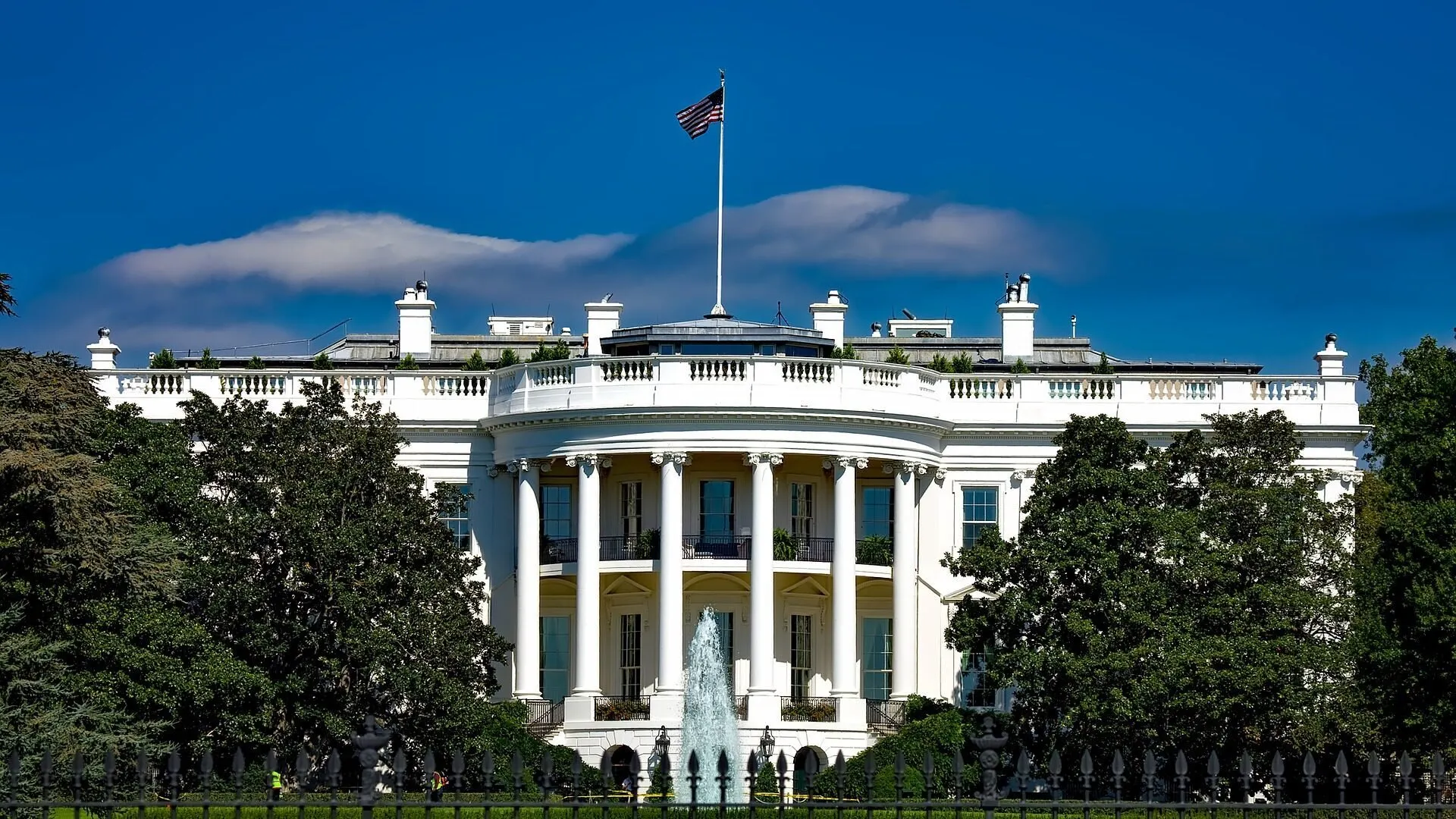
Photo: Decrypt
A recent high-profile meeting at the White House aimed at resolving longstanding disagreements over cryptocurrency regulation ended without consensus. Representatives from Congress, regulatory agencies, and the crypto industry met to discuss potential legislative frameworks, but the talks concluded without a clear path forward, leaving markets and investors in continued uncertainty.
The stalemate reflects the complexity of regulating a rapidly evolving asset class. Digital currencies, blockchain platforms, and decentralized finance protocols operate across global jurisdictions, making it challenging for lawmakers to craft legislation that balances innovation, investor protection, and financial stability.
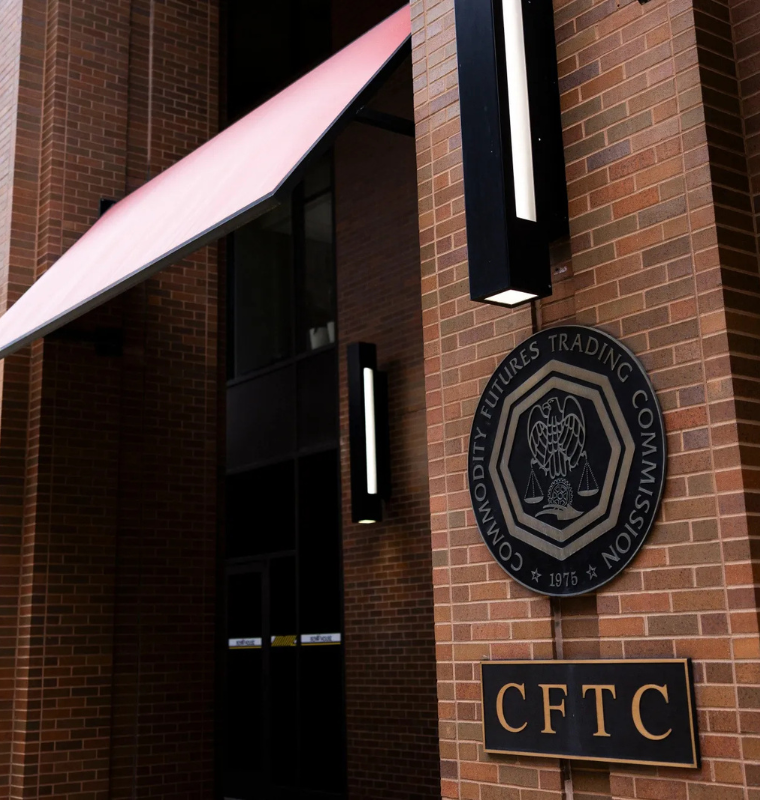
Key issues discussed during the meeting included stablecoin regulation, exchange oversight, taxation, and consumer protection measures. Despite intensive discussions, participants could not reconcile differing perspectives on how authority should be allocated among federal agencies such as the Securities and Exchange Commission, Commodity Futures Trading Commission, and Treasury Department.
The failure to reach agreement has immediate implications for cryptocurrency markets. Uncertainty about regulatory clarity often triggers volatility, as traders and investors hesitate to commit capital without knowing the compliance framework that will govern operations. Recent price movements in Bitcoin and Ethereum reflect this cautious sentiment, with periods of sharp declines corresponding to negative headlines about legislative delays.
Industry representatives voiced concerns that continued indecision could drive innovation offshore. Many cryptocurrency projects rely on clear rules to attract institutional investment, develop new products, and integrate with traditional financial systems. Without guidance, some companies may consider relocating operations to countries with more predictable regulatory environments.
Despite the stalemate, some progress was noted. Participants agreed on the importance of creating a framework that protects consumers and maintains market integrity. There was also consensus on the need for inter-agency coordination to avoid conflicting rules that could stifle growth or create loopholes. These shared objectives provide a foundation for future negotiations.
Analysts suggest that legislative impasses like this one are not uncommon in emerging industries. Lawmakers often balance competing interests, and reaching consensus can take months or even years. For cryptocurrency, the challenge is amplified by the speed of technological development and the global nature of blockchain networks.
The lack of resolution also underscores the ongoing debate about the role of federal versus state oversight. While some policymakers advocate for a unified national framework, others argue for state-level experimentation, citing the flexibility it allows in adapting to new technologies. This tension continues to complicate the legislative process.
Market participants are watching closely for signals from regulators and Congress in the coming weeks. Any indication that progress is being made could boost confidence and support price stability. Conversely, further delays may prolong investor uncertainty and maintain elevated volatility across cryptocurrency markets.
In conclusion, the recent White House meeting highlights the challenges of regulating a rapidly evolving digital asset landscape. While no immediate resolution was reached, ongoing dialogue between policymakers and industry leaders remains critical. How these discussions unfold will shape the future of cryptocurrency in the United States and influence global perceptions of regulatory leadership in this emerging sector.

Popular articles



Subscribe to unlock premium content
Imran Khan’s Economic Missteps Amid Political Chaos in Pakistan

The Philippines’ Digital Shift How Remittances and BPO Are Fueling Growth

Is the Era of Globalization Over or Just Evolving?

Imran Khan’s Economic Missteps Amid Political Chaos in Pakistan
The Philippines’ Digital Shift How Remittances and BPO Are Fueling Growth
Imran Khan’s Economic Missteps Amid Political Chaos in Pakistan