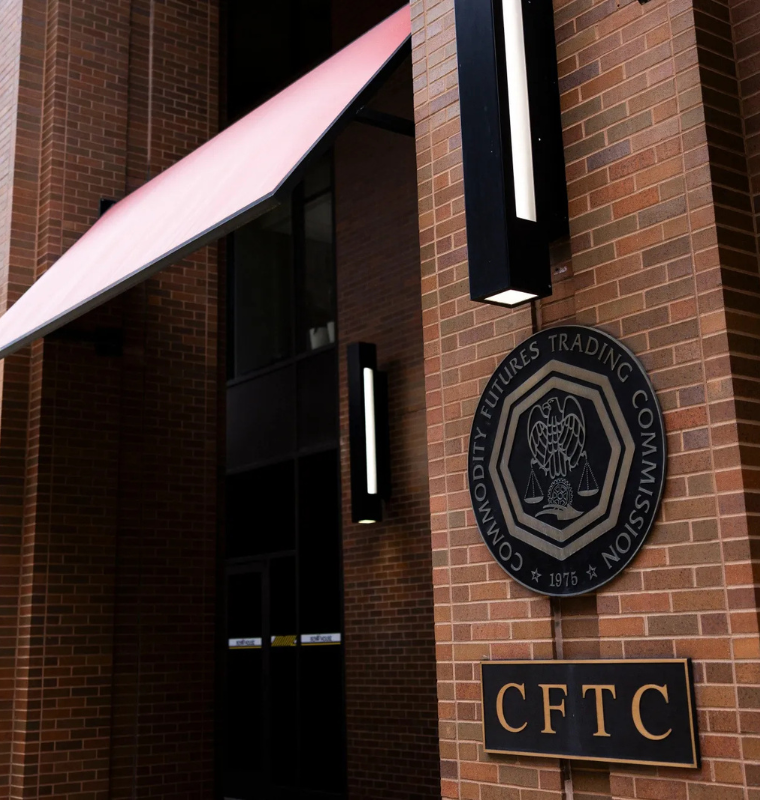
CFTC Chair Says New Crypto Bill Could Make US Regulatory Gold Standard

CFTC Chair Says New Crypto Bill Could Make US Regulatory Gold Standard
By
Leah Rosenfeld
Last updated:
February 3, 2026
First Published:
April 25, 2026

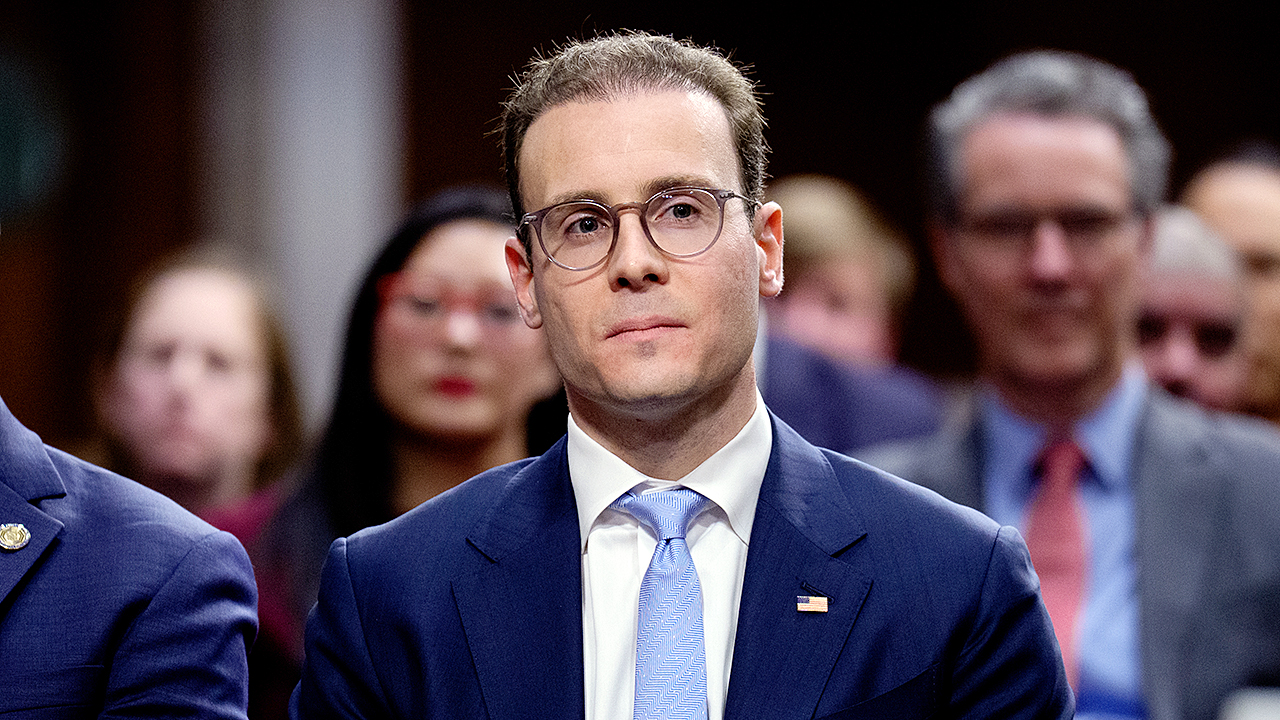
Photo: Fox Business
The United States Commodity Futures Trading Commission has signaled that a newly proposed cryptocurrency bill could establish the nation as the benchmark for digital asset regulation worldwide. This development comes at a time when regulatory clarity is considered essential for both institutional adoption and market stability.
The proposed legislation aims to create a unified framework for the oversight of digital assets. By clarifying rules for exchanges, stablecoins, and other crypto products, the bill could reduce uncertainty and attract both domestic and international investment. Analysts suggest that a clear legal environment would allow firms to operate with confidence, spurring innovation and fostering the growth of the digital economy.
CFTC Chair Rostin Behnam emphasized the potential benefits, stating that the bill could establish the United States as a gold standard for crypto regulation. He highlighted the need for strong safeguards to protect investors while ensuring that innovation is not stifled. This dual focus addresses one of the main criticisms of the current fragmented regulatory landscape, which has left market participants uncertain about compliance obligations.
Market participants have been quick to respond to these developments. Some major cryptocurrency exchanges have expressed support, noting that regulatory clarity would allow them to expand services and attract institutional clients. At the same time, there are concerns that overregulation could slow innovation or push businesses offshore, underscoring the delicate balance regulators must strike.
The bill also includes provisions for stablecoin oversight, a sector that has faced significant scrutiny after past market disruptions. By providing clear rules for issuance, reserve management, and auditing, the legislation could enhance confidence in stablecoins as reliable tools for payments and finance. Stablecoin issuers view this as an opportunity to legitimize their products and integrate more deeply into mainstream financial systems.
Analysts predict that the legislation could encourage further institutional investment in digital assets. Hedge funds, family offices, and asset managers have been hesitant to enter markets where legal clarity is lacking. A well-defined framework could lower barriers to entry and stimulate capital inflows, potentially impacting Bitcoin, Ethereum, and other major cryptocurrencies.
Political debate around the bill remains active. Lawmakers are weighing the benefits of regulatory leadership against concerns over potential unintended consequences. Some argue that overly stringent rules could drive innovation to less regulated jurisdictions, while others maintain that strong oversight is necessary to protect investors and prevent systemic risk.
The international implications of the bill are also significant. Other countries often look to the United States as a model for financial regulation. A comprehensive and balanced crypto framework could inspire similar initiatives globally, aligning standards and promoting cross-border collaboration in digital asset markets.
Beyond institutional adoption, the bill could have wider societal impacts. Clear regulation may foster safer environments for retail investors and reduce the prevalence of scams or fraudulent schemes. By setting expectations for transparency, disclosure, and accountability, the legislation could strengthen trust in digital finance and encourage broader participation.
In conclusion, the proposed crypto bill represents a pivotal moment for U.S. leadership in digital asset regulation. While challenges remain in balancing oversight and innovation, the potential for creating a global benchmark is substantial. Investors, exchanges, and regulators alike are closely monitoring developments, recognizing that the outcome could shape the trajectory of the cryptocurrency market for years to come.
Popular articles



Subscribe to unlock premium content
Imran Khan’s Economic Missteps Amid Political Chaos in Pakistan

The Philippines’ Digital Shift How Remittances and BPO Are Fueling Growth

Is the Era of Globalization Over or Just Evolving?

Imran Khan’s Economic Missteps Amid Political Chaos in Pakistan
The Philippines’ Digital Shift How Remittances and BPO Are Fueling Growth
Imran Khan’s Economic Missteps Amid Political Chaos in Pakistan