White House and Banking Leaders Advance Stablecoin Yield Discussions

White House and Banking Leaders Advance Stablecoin Yield Discussions
By
David Goldfarb
Last updated:
February 19, 2026
First Published:
April 25, 2026

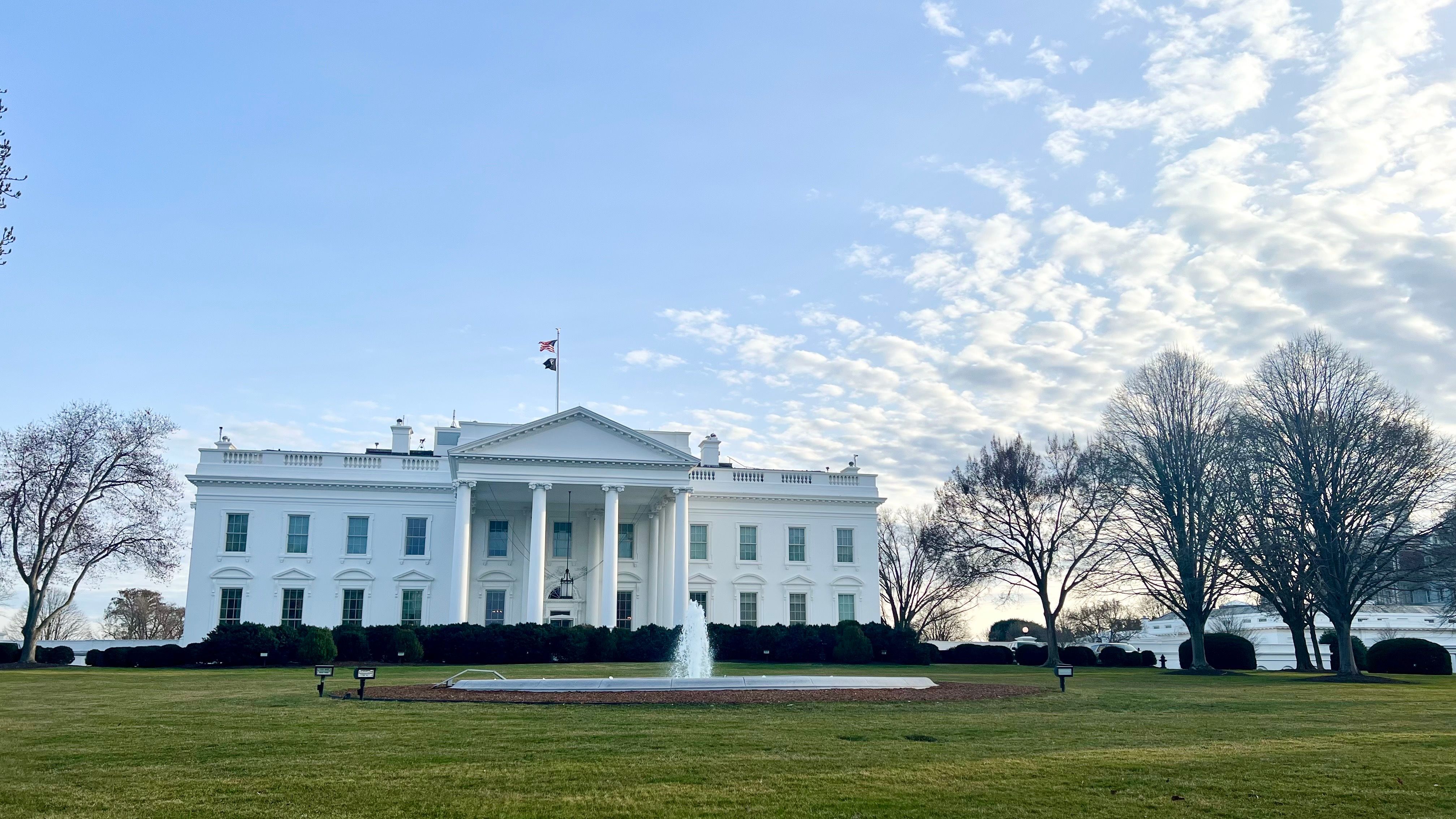
Photo: CoinDesk
Policy Momentum Builds Around Stablecoin Frameworks
Conversations between White House officials and leading banking institutions have entered a more constructive phase as discussions surrounding stablecoin yield mechanisms continue to evolve. While no formal agreement has been finalized, recent progress suggests that policymakers and financial institutions are narrowing the gap on how interest bearing stablecoin products should operate within the United States financial system. This development reflects the growing urgency to establish clear regulatory standards in a market that has expanded rapidly over the past several years.
Understanding Stablecoin Yield Products
Stablecoins are digital tokens designed to maintain price stability by being pegged to fiat currencies such as the United States dollar. Yield generating stablecoins go a step further by offering returns to holders, often through reserve investments or structured lending strategies. These products blur the line between traditional bank deposits and decentralized finance instruments. As a result, regulators are carefully examining whether they resemble securities, banking products, or an entirely new financial category.
Banking Sector Concerns and Competitive Dynamics
Traditional banks have approached stablecoin yield products with a mixture of caution and strategic interest. On one hand, they recognize the innovation potential and efficiency of blockchain based settlement systems. On the other hand, they are concerned about disintermediation risks. If stablecoin issuers can offer attractive yields directly to consumers without the regulatory burden imposed on banks, competitive balance becomes distorted. Ongoing talks aim to address this asymmetry through consistent compliance standards.
Regulatory Clarity as a Catalyst for Capital
Institutional investors require regulatory certainty before allocating significant capital into digital asset infrastructure. The progress in White House discussions signals that policymakers understand the importance of providing a predictable legal environment. Clear guidance on reserve requirements, capital buffers, consumer protection protocols, and disclosure obligations could unlock broader adoption of stablecoin based financial products across both retail and institutional segments.
Balancing Innovation With Financial Stability
One of the central challenges in the negotiation process is preserving financial innovation while safeguarding systemic stability. Yield bearing stablecoins could potentially amplify liquidity cycles if not properly structured. Policymakers are therefore evaluating mechanisms to prevent excessive leverage, opaque reserve management, or liquidity mismatches. The objective is to ensure that stablecoins complement the financial system rather than introduce fragility.
Implications for the Digital Dollar Ecosystem
The United States remains at the forefront of global reserve currency influence. Stablecoins backed by dollar denominated reserves effectively extend that influence into the blockchain economy. Constructive dialogue between regulators and banks may strengthen the global competitiveness of dollar based digital assets. If frameworks are designed with strategic foresight, the United States could reinforce its monetary leadership in the rapidly evolving digital asset landscape.
Technology Infrastructure and Compliance Architecture
Modern stablecoin issuers rely on blockchain transparency, smart contract automation, and near real time settlement. Integrating these capabilities with regulatory reporting systems requires sophisticated compliance architecture. Discussions reportedly include enhanced audit standards, reserve transparency requirements, and potential oversight mechanisms involving federal agencies. The outcome could redefine operational benchmarks for the entire stablecoin industry.
Market Sentiment and Investor Interpretation
Crypto markets closely monitor regulatory negotiations because policy outcomes directly influence token valuations and ecosystem expansion. News of constructive progress has contributed to cautious optimism among investors. While uncertainty remains, the perception that policymakers are engaging collaboratively rather than adversarially has reduced short term anxiety within segments of the digital asset market.
Global Competitive Pressure
International jurisdictions are simultaneously developing their own digital asset regulations. Regions in Europe and Asia have advanced frameworks that provide structured oversight for stablecoin issuers. The United States faces competitive pressure to avoid regulatory fragmentation that could push innovation offshore. The current discussions reflect recognition that coherent domestic policy is essential for maintaining leadership in financial technology innovation.
A Transitional Moment for Crypto Finance
Although no definitive agreement has yet been reached, the trajectory of discussions indicates that stablecoin yield products are moving from regulatory ambiguity toward structured governance. This transition represents a pivotal stage for crypto finance. Clear rules could accelerate mainstream integration while discouraging speculative excess. For exchanges, issuers, banks, and investors, the coming months may define how stablecoins evolve from experimental instruments into foundational components of digital finance infrastructure.

Popular articles



Subscribe to unlock premium content
Imran Khan’s Economic Missteps Amid Political Chaos in Pakistan

The Philippines’ Digital Shift How Remittances and BPO Are Fueling Growth

Is the Era of Globalization Over or Just Evolving?

Imran Khan’s Economic Missteps Amid Political Chaos in Pakistan
The Philippines’ Digital Shift How Remittances and BPO Are Fueling Growth
Imran Khan’s Economic Missteps Amid Political Chaos in Pakistan