The Dawn of the Digital Commodity Era
By
Alina Sinclair
Last updated:
March 23, 2026
First Published:
April 25, 2026

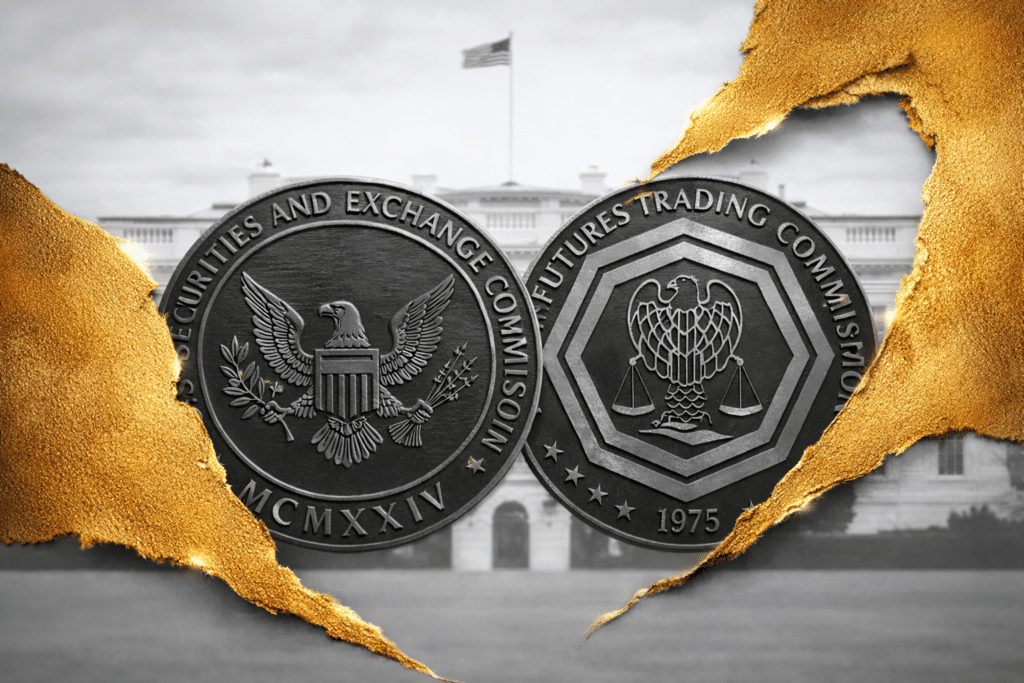
The landscape of digital assets has shifted beneath our feet following the historic announcement from the Securities and Exchange Commission and the Commodity Futures Trading Commission. This long awaited collaboration has finally produced a comprehensive Token Taxonomy designed to provide the clarity that builders and investors have demanded for over a decade. By moving away from the era of regulation by enforcement, these governing bodies are paving a new path for innovation that separates the wheat from the chaff in the vast ecosystem of blockchain technology.
At the heart of this new framework is a fundamental reclassification of how we view digital property. For years, the industry struggled under the weight of the Howey Test, a decades old legal standard that many argued was ill suited for the complexities of decentralized code. Under the leadership of Chair Paul Atkins, the commission has signaled a retreat from strict oversight of every digital interaction. Instead, they have introduced a nuanced categorization system that acknowledges the inherent differences between a speculative investment contract and a functional digital tool.
One of the most surprising aspects of this release is the formal recognition of many community driven assets as digital commodities. In a move that few predicted, several prominent meme coins and community tokens have been moved out of the crosshairs of securities law. The regulators have determined that once a project achieves a specific level of decentralization and loses its reliance on a centralized managerial group, it no longer fits the traditional definition of a security. This transition allows these assets to trade on commodity markets with significantly fewer disclosure requirements.
Beyond the meme coin phenomenon, the taxonomy introduces the official concept of digital collectibles. This category provides a safe harbor for non fungible tokens and other unique assets that are primarily used for utility or artistic expression. By distinguishing these from financial instruments, the regulators are encouraging the growth of the creator economy. Artists and developers can now launch projects without the constant fear that their creative output will be labeled as an unregistered investment offering, which has historically stifled the American tech sector.
The impact on market infrastructure cannot be overstated. With these new definitions in place, domestic exchanges can finally expand their listings without the looming threat of legal action. This regulatory green light is expected to bring a wave of liquidity back to onshore platforms as traders move away from opaque offshore entities. The transparency provided by the joint framework ensures that both retail and institutional participants understand the rules of engagement, fostering a much healthier trading environment for everyone involved.
From a technological standpoint, the new framework places a heavy emphasis on the concept of decentralization as a spectrum. The agencies have outlined specific milestones that a project must hit to be considered a commodity. These include the distribution of governance power and the absence of a central party that controls the price or development roadmap. This serves as a clear guide for founders, giving them a literal checklist to follow if they wish to transition their projects away from the more restrictive securities oversight.
Financial analysts are already predicting that this shift will lead to a massive influx of capital from traditional sectors. Many institutional funds have sat on the sidelines due to the ambiguity of token classifications. Now that the SEC and CFTC are speaking with a unified voice, the perceived risk of regulatory capture has plummeted. We are likely to see a new generation of exchange traded products and sophisticated financial instruments that utilize these newly categorized digital commodities as their underlying assets.
However, the framework does not mean that all oversight has vanished. The regulators have been very clear that tokens backed by revenue streams or those that promise a share of profits from a centralized entity will remain under the strict purview of securities law. This ensures that investor protections are still in place where they are needed most. By narrowing the scope of their authority, the agencies can now focus their resources on policing actual fraud and misconduct rather than debating the legal status of software protocols.
This moment feels like the beginning of a second act for the American crypto industry. For years, the conversation has been dominated by legal battles and jurisdictional disputes. This joint framework moves the narrative forward by focusing on the functional reality of how these assets are used in the real world. It acknowledges that a token can be many things at once: a medium of exchange, a piece of art, or a tool for decentralized governance. The taxonomy finally allows the law to reflect that multifaceted reality.
As we look toward the future on Cryptoriaverse, it is clear that the industry has entered a phase of maturity. The wild west days are fading, replaced by a structured environment where innovation can flourish within reasonable boundaries. This Token Taxonomy is more than just a list of definitions; it is a foundation for the next decade of digital finance. It empowers developers to build with confidence and provides a stable ground for the next wave of global economic evolution.

Popular articles



Subscribe to unlock premium content
Imran Khan’s Economic Missteps Amid Political Chaos in Pakistan

The Philippines’ Digital Shift How Remittances and BPO Are Fueling Growth

Is the Era of Globalization Over or Just Evolving?

Imran Khan’s Economic Missteps Amid Political Chaos in Pakistan
The Philippines’ Digital Shift How Remittances and BPO Are Fueling Growth
Imran Khan’s Economic Missteps Amid Political Chaos in Pakistan