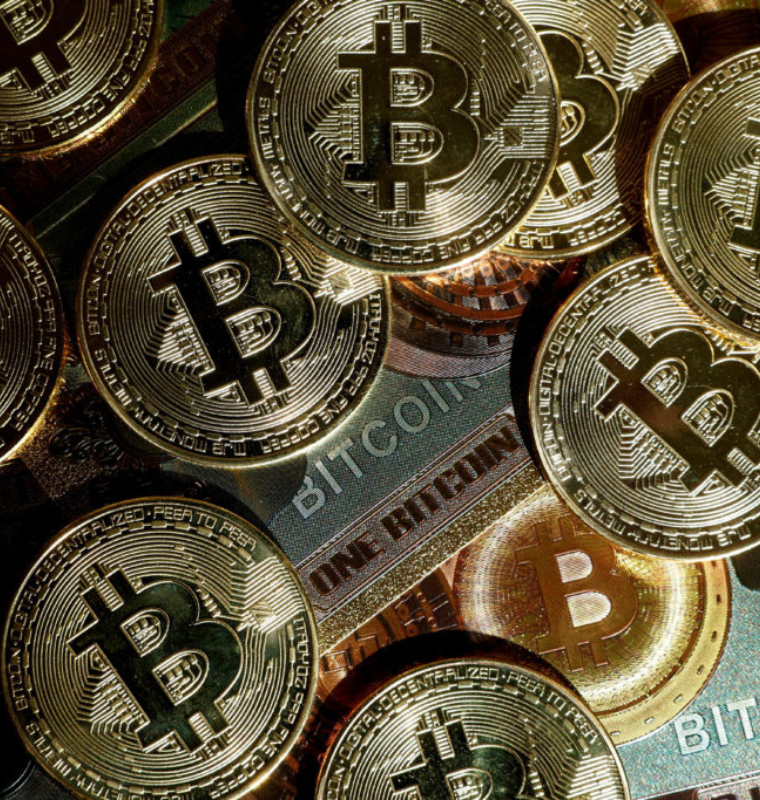
Sui Introduces Gasless Stablecoin Transfers With Fireblocks Support

Sui Introduces Gasless Stablecoin Transfers With Fireblocks Support
By
Leah Rosenfeld
Last updated:
May 20, 2026
First Published:
May 20, 2026


Sui Moves to Simplify Crypto Payments
The blockchain industry continues searching for ways to make cryptocurrency easier for everyday users, and Sui has now taken a major step in that direction by introducing gasless stablecoin transfers with support from Fireblocks. The development is being viewed as an important attempt to remove one of the biggest frustrations that users face when interacting with blockchain networks.
Transaction fees, commonly known as gas fees, have long created confusion and inconvenience across the cryptocurrency ecosystem. Many users are required to hold specific native tokens simply to complete transfers, even when sending stablecoins. This process often becomes complicated for newcomers and creates barriers that slow wider adoption.
By introducing gasless transfers, Sui is attempting to create a smoother and more accessible experience for users who want the benefits of blockchain payments without dealing with the technical complexities traditionally associated with crypto transactions.
Understanding Gas Fees in Crypto
Gas fees represent the cost users pay to process transactions on blockchain networks. These fees compensate validators or network participants responsible for maintaining the blockchain and confirming activity. While gas systems are essential for blockchain security and functionality, they can also become expensive and difficult for ordinary users to understand.
On many networks, users must first purchase the blockchain’s native cryptocurrency before they can move funds or interact with decentralized applications. This extra step often discourages newcomers because it adds complexity to what should otherwise be a simple transaction process.
The challenge becomes even more noticeable during periods of heavy network activity when fees rise sharply and transactions become slower. For businesses hoping to bring blockchain payments into mainstream finance, simplifying this experience has become a top priority.
Gasless Transfers Could Improve User Adoption
Sui’s new feature aims to eliminate much of that friction by allowing users to transfer stablecoins without needing to worry about traditional gas payments. Instead of requiring separate tokens to cover transaction costs, the system is designed to streamline the process and make digital transfers feel closer to ordinary financial applications.
Supporters believe this approach could significantly improve user adoption because it removes one of the most confusing elements of cryptocurrency usage. People unfamiliar with blockchain technology often struggle to understand why they need multiple tokens simply to complete a single payment.
By making transfers more seamless, Sui hopes to attract both retail users and businesses interested in integrating stablecoin payments into their financial operations.
Fireblocks Partnership Adds Institutional Credibility
The involvement of Fireblocks has added major credibility to the initiative. Fireblocks is widely recognized within the digital asset industry for providing infrastructure and security solutions used by financial institutions, exchanges, and blockchain companies worldwide.
Its participation signals that the project is not simply targeting small scale retail experimentation but may also appeal to institutional participants seeking more efficient blockchain payment systems.
Institutional involvement remains a critical factor for the broader cryptocurrency industry because large financial firms demand strong security standards, compliance systems, and operational reliability before integrating blockchain technology into real world financial products.
The partnership therefore strengthens confidence that Sui’s gasless payment system could potentially scale beyond niche crypto communities.
Stablecoins Continue Expanding in Global Finance
The timing of the launch also reflects the growing importance of stablecoins within the digital economy. Stablecoins are cryptocurrencies designed to maintain stable value by being tied to assets such as the United States dollar. Their relative price stability makes them more practical for payments and transfers compared to highly volatile cryptocurrencies like Bitcoin or Ethereum.
Over the past few years, stablecoins have become increasingly important for trading, remittances, decentralized finance, and cross border transactions. Businesses and institutions are exploring stablecoin usage because they combine blockchain efficiency with reduced price volatility.
As adoption grows, improving the user experience surrounding stablecoin transfers has become one of the industry’s biggest priorities.
Competition Among Blockchains Intensifies
Sui’s announcement also highlights the growing competition among blockchain networks to attract users and developers. The crypto industry is now crowded with platforms attempting to position themselves as faster, cheaper, and more user friendly alternatives to older blockchain systems.
Networks are competing not only on transaction speed and scalability but also on overall usability. Simplifying onboarding and reducing technical friction are becoming increasingly important as blockchain projects move beyond early adopters and attempt to reach mainstream audiences.
Gasless transactions may therefore become a major competitive advantage if users respond positively to the experience.
Developers Focus on Mainstream Accessibility
The broader blockchain industry has increasingly shifted its focus toward accessibility and real world usability. Earlier stages of cryptocurrency adoption were driven heavily by speculation and technical experimentation. Today, many developers recognize that long term growth depends on creating products that ordinary users can navigate comfortably.
Removing complicated wallet processes, reducing transaction confusion, and improving payment simplicity are all part of this evolution. Sui’s gasless stablecoin feature reflects a growing recognition that blockchain technology must compete directly with traditional financial applications in terms of convenience and user experience.
For mainstream consumers, simplicity often matters more than technical sophistication.
Businesses Could Benefit From Easier Transfers
Businesses exploring blockchain integration may also benefit from gasless transfer systems. Companies interested in accepting stablecoin payments or using blockchain for international transfers often hesitate because of technical complexity and unpredictable fee structures.
A simplified payment model could encourage greater experimentation among merchants, fintech firms, and digital service providers looking for efficient alternatives to traditional financial systems.
Cross border payments remain one of the most promising areas for blockchain adoption because cryptocurrency networks can potentially process transfers faster and more efficiently than conventional banking systems.
Challenges Still Remain for Blockchain Adoption
Despite the excitement surrounding gasless transfers, challenges still remain for widespread blockchain adoption. Regulatory uncertainty, security concerns, and user trust continue influencing how quickly cryptocurrency payment systems can grow globally.
Even with improved usability, many consumers remain cautious about digital assets because of market volatility, scams, and lack of familiarity with blockchain technology. Developers therefore face the difficult task of balancing innovation with security and regulatory compliance.
The success of Sui’s new feature will likely depend on whether users and institutions view the system as both convenient and trustworthy over the long term.
The Industry Pushes Toward a Simpler Future
The launch of gasless stablecoin transfers represents another sign that the cryptocurrency industry is evolving beyond its early technical foundations toward more consumer focused solutions. Blockchain developers increasingly understand that mainstream adoption will require systems that feel intuitive, reliable, and accessible for everyday users.
Sui’s partnership with Fireblocks demonstrates how blockchain projects are now collaborating with institutional infrastructure providers to build more practical financial ecosystems.
Whether gasless transactions become an industry standard remains uncertain, but the direction is clear. The future of blockchain competition may depend less on technical jargon and more on which platforms can deliver the simplest and most seamless user experiences for the global digital economy.

Popular articles


Subscribe to unlock premium content
Imran Khan’s Economic Missteps Amid Political Chaos in Pakistan

The Philippines’ Digital Shift How Remittances and BPO Are Fueling Growth

Is the Era of Globalization Over or Just Evolving?
Imran Khan’s Economic Missteps Amid Political Chaos in Pakistan
The Philippines’ Digital Shift How Remittances and BPO Are Fueling Growth
Imran Khan’s Economic Missteps Amid Political Chaos in Pakistan