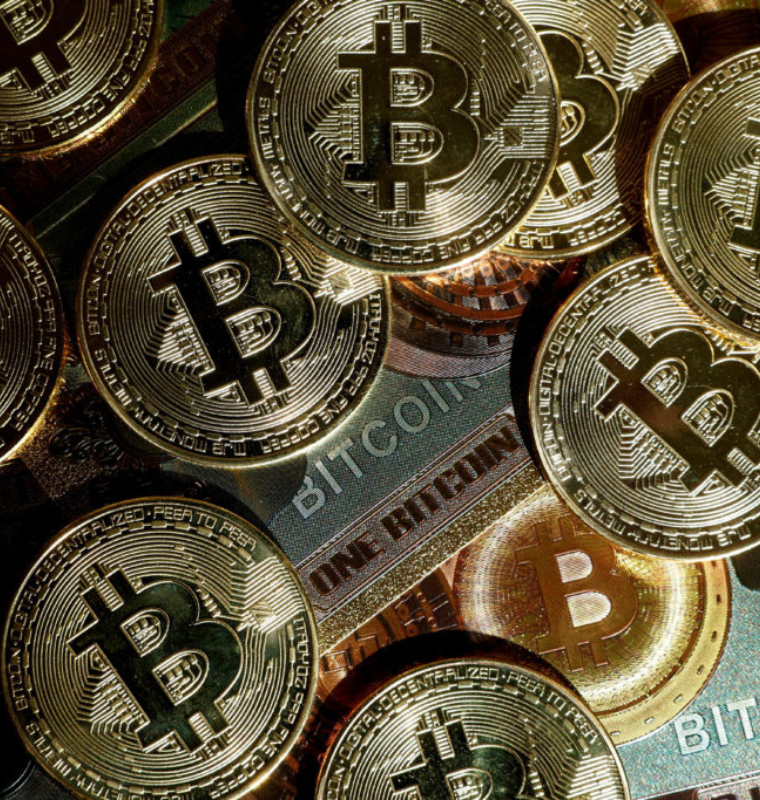
Bitcoin Holds Near $77000 as US Credit Downgrade Shakes Investor Confidence

Bitcoin Holds Near $77000 as US Credit Downgrade Shakes Investor Confidence
By
Rachel Steinberg
Last updated:
May 20, 2026
First Published:
May 20, 2026


Bitcoin Struggles to Regain Strong Momentum
Bitcoin continued trading near the seventy seven thousand dollar level as investors reacted to growing uncertainty surrounding the United States economy and broader global financial conditions. The cryptocurrency market entered another tense trading period after concerns linked to a recent United States credit downgrade created renewed pressure across risk based assets.
Although Bitcoin managed to avoid a deeper collapse, the market struggled to regain bullish momentum following days of heightened volatility and cautious investor behavior. Traders who previously expected another strong rally became increasingly defensive as macroeconomic fears spread through both traditional finance and digital asset markets.
The situation reflects how closely cryptocurrencies are now connected to broader global economic sentiment despite the industry’s original vision of operating independently from traditional financial systems.
US Credit Downgrade Sparks Global Attention
One of the biggest factors influencing the market was the reaction to the United States credit downgrade. Financial analysts warned that the downgrade could raise concerns about long term fiscal stability and investor confidence in the world’s largest economy.
Credit ratings play an important role in global finance because they influence perceptions regarding a country’s ability to manage debt and maintain economic stability. When confidence weakens, investors often become more cautious about holding volatile assets such as cryptocurrencies.
The downgrade created ripple effects across international markets as traders reassessed risk exposure and adjusted investment strategies in response to the changing economic outlook.
Bitcoin Faces Pressure From Risk Off Sentiment
Bitcoin has increasingly behaved like a risk sensitive asset in recent years. During periods of economic uncertainty, investors frequently reduce exposure to volatile investments and move toward safer financial instruments. This pattern became visible again as traders reacted to growing concerns surrounding global market conditions.
Although some Bitcoin supporters continue promoting the asset as a hedge against traditional financial instability, short term trading behavior often tells a different story. When uncertainty rises sharply, cryptocurrencies can still experience heavy selling pressure alongside stocks and other speculative assets.
The latest market conditions reinforced the reality that investor psychology remains one of the strongest forces influencing crypto price action.
ETF Outflows Add to Market Weakness
Another important factor affecting Bitcoin’s recovery attempt was the continued outflow from crypto related exchange traded funds. Institutional investors appeared to reduce digital asset exposure amid broader financial uncertainty, creating additional downward pressure on the market.
Exchange traded funds have become increasingly influential within the cryptocurrency ecosystem because they allow traditional investors to gain exposure to Bitcoin without directly purchasing the asset. Strong inflows into these products are usually interpreted as signs of growing institutional confidence.
However, recent outflows signaled that many professional investors are adopting a more cautious approach while monitoring economic developments and market stability.
Traders Remain Nervous After Recent Volatility
The emotional atmosphere within the crypto market remains fragile following recent liquidation driven selloffs. Traders who suffered losses during earlier corrections are approaching the market more cautiously while waiting for stronger signs of recovery.
Social media discussions reflected growing uncertainty as investors debated whether Bitcoin was preparing for another upward breakout or entering a longer consolidation phase. Some traders viewed the pullback as a healthy correction after strong gains earlier in the year, while others feared deeper weakness could emerge if economic conditions worsen further.
This division in sentiment has contributed to lower confidence and slower momentum across the broader crypto market.
Institutional Investors Monitor Economic Signals
Large financial institutions are paying close attention to upcoming economic indicators that could influence both traditional and digital markets. Inflation data, central bank decisions, and economic growth forecasts are all expected to play important roles in determining short term investor behavior.
Institutional participation has become one of the most significant drivers of Bitcoin price action in recent years. As a result, macroeconomic developments that influence institutional strategy now have a direct impact on cryptocurrency markets as well.
Some analysts believe institutional investors may return aggressively if economic conditions stabilize and confidence improves. Others warn that uncertainty could continue limiting major inflows for the near future.
Bitcoin Supporters Remain Optimistic Long Term
Despite current market pressure, long term Bitcoin supporters continue expressing confidence in the asset’s future potential. Many investors argue that temporary volatility does not change Bitcoin’s underlying value proposition as a decentralized digital financial system.
Historically, Bitcoin has survived numerous periods of economic uncertainty, regulatory pressure, and severe market corrections. Supporters often point to these past cycles as evidence of the cryptocurrency’s long term resilience.
Some analysts even believe broader concerns about government debt and traditional financial stability could eventually strengthen Bitcoin’s appeal as an alternative asset class over time.
Altcoins Also Feel the Impact
The uncertainty surrounding Bitcoin also affected the wider cryptocurrency market. Ethereum and several major altcoins experienced weaker trading activity as investors reduced exposure to speculative digital assets.
Smaller cryptocurrencies typically suffer greater volatility during uncertain market conditions because investors prioritize liquidity and relative stability. As a result, many alternative tokens struggled to maintain momentum while Bitcoin itself attempted to stabilize.
The broader decline reflected cautious sentiment across the entire digital asset ecosystem rather than problems tied to any single cryptocurrency project.
Analysts Watch Key Support Levels
Technical analysts are now closely monitoring whether Bitcoin can maintain support near current trading levels. Holding above critical price zones could help rebuild confidence and potentially attract buyers back into the market.
If Bitcoin successfully stabilizes, some traders believe momentum could gradually improve as panic fades and institutional interest returns. However, failure to defend major support levels may trigger another wave of selling pressure and deeper market corrections.
Trading volume and macroeconomic news are expected to remain the biggest short term drivers influencing market direction over the coming weeks.
The Crypto Market Faces Another Important Test
The current environment represents another major test for the cryptocurrency industry as it continues maturing within the global financial system. Bitcoin’s reaction to economic uncertainty demonstrates how interconnected digital assets have become with traditional investment markets.
While supporters still view Bitcoin as a revolutionary financial innovation, its short term behavior increasingly reflects broader investor sentiment surrounding global economic stability and risk appetite.
For now, traders remain cautious while searching for clearer signals regarding the future direction of both the cryptocurrency market and the global economy. Whether Bitcoin regains strong momentum or faces additional pressure, the latest period of uncertainty has once again highlighted the fragile balance between optimism and fear that continues defining the digital asset industry.
Popular articles



Subscribe to unlock premium content
Imran Khan’s Economic Missteps Amid Political Chaos in Pakistan

The Philippines’ Digital Shift How Remittances and BPO Are Fueling Growth

Is the Era of Globalization Over or Just Evolving?

Imran Khan’s Economic Missteps Amid Political Chaos in Pakistan
The Philippines’ Digital Shift How Remittances and BPO Are Fueling Growth
Imran Khan’s Economic Missteps Amid Political Chaos in Pakistan