
Crypto Stocks Rally as US Lawmakers Advance New Digital Asset Framework Bill

Crypto Stocks Rally as US Lawmakers Advance New Digital Asset Framework Bill
By
Alina Sinclair
Last updated:
May 20, 2026
First Published:
May 20, 2026


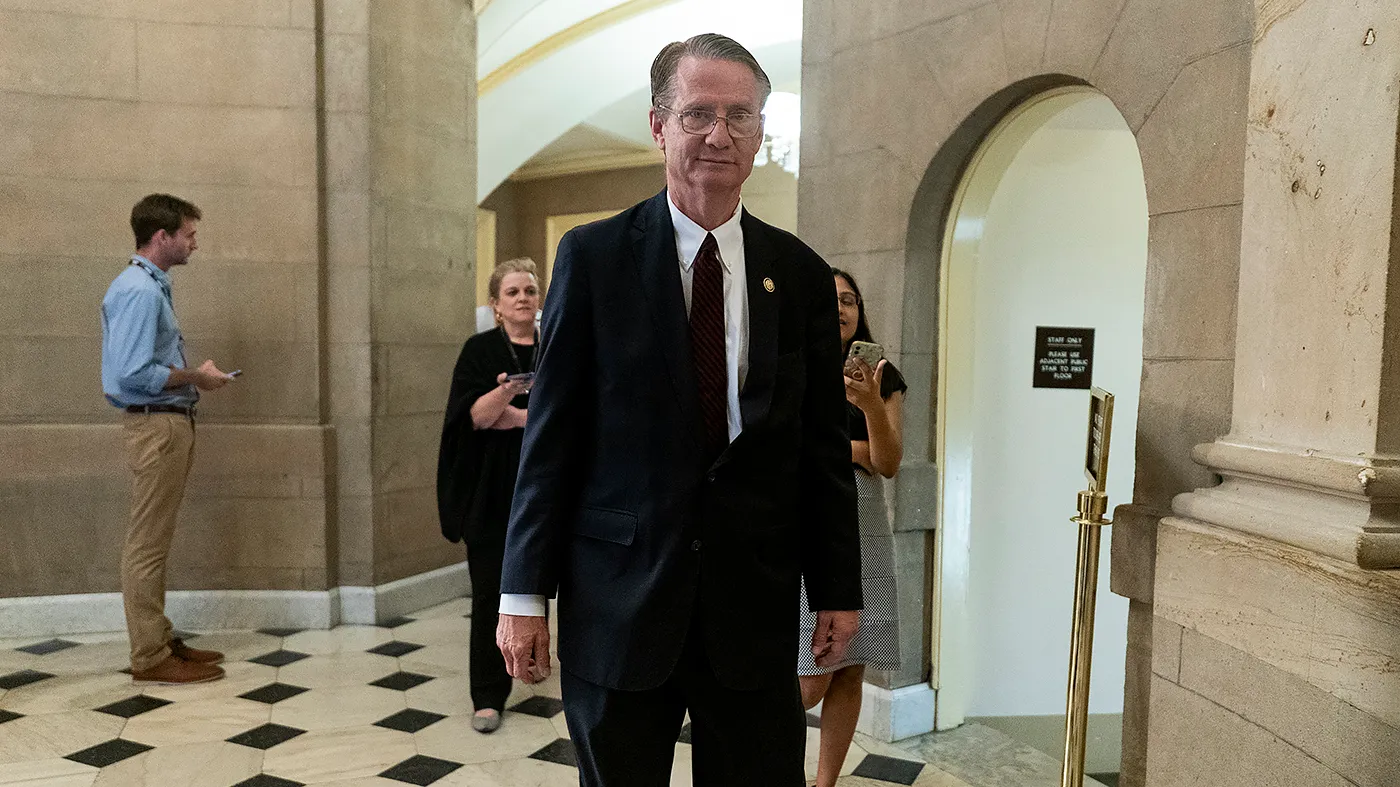
Photo: Crypto News Australia
Crypto Markets Respond to Regulatory Momentum
Cryptocurrency related stocks and digital asset markets saw a notable rally following renewed progress in the United States Congress toward a comprehensive digital asset framework bill. Investors interpreted the development as a potential step toward clearer regulatory guidance, which has long been considered one of the biggest missing pieces in the crypto industry.
The positive momentum spread quickly across crypto equities, blockchain infrastructure firms, and major exchange listed companies as traders responded to expectations of improved regulatory clarity. Market participants often view structured regulation as a key factor that could unlock further institutional participation in digital assets.
The latest rally reflects how sensitive the crypto sector remains to policy developments, particularly in major economies such as the United States.
Lawmakers Push for Structured Crypto Regulation
The proposed digital asset framework bill aims to establish clearer rules around cryptocurrency operations, including stablecoin issuance, exchange compliance requirements, and investor protection standards. Lawmakers supporting the initiative argue that the rapidly growing crypto industry requires consistent regulatory oversight to ensure financial stability and reduce systemic risk.
For years, the lack of unified regulation in the United States has created uncertainty for businesses operating in the crypto space. Companies have often faced fragmented rules across different agencies, leading to confusion and legal challenges.
The new legislative push is being seen as an attempt to bring structure to an industry that has evolved faster than existing financial regulations.
Investor Confidence Improves on Policy Clarity
One of the strongest drivers behind the recent market rally was improved investor sentiment. Market participants generally prefer environments where rules are clearly defined because it reduces long term uncertainty and helps businesses plan strategic growth.
Crypto related equities, including exchange operators and blockchain technology firms, benefited from the perception that regulatory clarity could encourage broader adoption of digital assets. Investors often associate clear legal frameworks with increased institutional inflows and improved market stability.
This expectation led to renewed buying activity across several crypto exposed financial instruments.
Stablecoin Regulation Becomes a Central Focus
Stablecoins remain one of the most important areas of focus within the proposed legislation. These digital assets are widely used for trading, payments, and cross border transfers, making them a critical component of the broader crypto ecosystem.
Regulators have expressed concerns about transparency, reserve backing, and systemic risk related to stablecoin issuers. The new framework aims to establish clearer standards for issuance and oversight to ensure that stablecoins maintain full or sufficient backing.
Industry participants believe that well defined stablecoin rules could significantly boost adoption by increasing trust among institutions and everyday users.
Crypto Stocks Lead the Market Rally
Publicly traded companies tied to cryptocurrency markets experienced strong upward movement following the news. Exchanges, mining firms, and blockchain infrastructure providers all benefited from renewed optimism surrounding regulatory developments.
Investors often use crypto related stocks as a proxy for digital asset market performance because they are influenced by trading activity, transaction volumes, and overall crypto adoption trends. As sentiment improves, these companies typically experience increased demand.
The latest rally highlighted how closely traditional equity markets are now connected to developments within the digital asset industry.
Institutional Investors Watch Regulatory Progress Closely
Large institutional investors have consistently emphasized the importance of regulatory clarity before expanding their exposure to cryptocurrencies. Pension funds, asset managers, and hedge funds often require clear compliance frameworks before allocating significant capital to emerging asset classes.
The progress on digital asset legislation is therefore being closely monitored by institutional players who see regulation as a key factor in determining long term market stability.
If the bill advances successfully, analysts believe it could open the door to increased institutional participation in crypto markets over time.
Blockchain Industry Sees Long Term Opportunity
Beyond short term market reactions, many blockchain industry leaders view regulatory clarity as a long term opportunity for sustainable growth. Clear rules could reduce legal uncertainty, encourage innovation, and attract more traditional financial institutions into the digital asset space.
Developers and companies working in blockchain infrastructure often argue that regulation, when properly structured, can actually support innovation rather than hinder it. By establishing predictable standards, businesses can focus more on building products rather than navigating legal ambiguity.
The current legislative progress is therefore being interpreted by some as a foundational step toward mainstream adoption.
Market Volatility Remains a Key Factor
Despite the positive reaction, analysts caution that cryptocurrency markets remain highly volatile and sensitive to policy announcements. Even minor changes in regulatory language or political support can trigger sharp price movements in either direction.
Investors are therefore approaching the rally with cautious optimism, recognizing that the legislative process can be lengthy and subject to significant changes before final approval.
Market participants are closely monitoring further developments in Congress to assess whether momentum behind the bill continues to build.
Crypto Industry Seeks Balance Between Innovation and Regulation
The ongoing debate around digital asset regulation reflects a broader challenge facing the crypto industry. Policymakers aim to protect investors and maintain financial stability, while industry participants emphasize the need for innovation-friendly frameworks that do not stifle technological progress.
Finding a balance between these priorities will likely shape the future of cryptocurrency markets over the coming years. The current legislative push represents one of the most significant attempts yet to establish that balance in a structured and comprehensive way.
The Road Ahead for Digital Assets
As lawmakers continue refining the proposed framework, the crypto industry is entering a critical phase of development. The outcome of these regulatory efforts could significantly influence how digital assets are integrated into mainstream financial systems.
For now, markets are reacting positively to the possibility of clearer rules and increased legitimacy. Whether this optimism continues will depend on how the legislative process unfolds and how effectively it addresses the complex realities of the evolving digital economy.
Popular articles



Subscribe to unlock premium content
Imran Khan’s Economic Missteps Amid Political Chaos in Pakistan

The Philippines’ Digital Shift How Remittances and BPO Are Fueling Growth

Is the Era of Globalization Over or Just Evolving?

Imran Khan’s Economic Missteps Amid Political Chaos in Pakistan
The Philippines’ Digital Shift How Remittances and BPO Are Fueling Growth
Imran Khan’s Economic Missteps Amid Political Chaos in Pakistan