Regulatory Clarity Advances as US Lawmakers Move Toward a Unified Crypto Framework

Regulatory Clarity Advances as US Lawmakers Move Toward a Unified Crypto Framework
By
Augusta Parker
Last updated:
March 19, 2026
First Published:
April 25, 2026

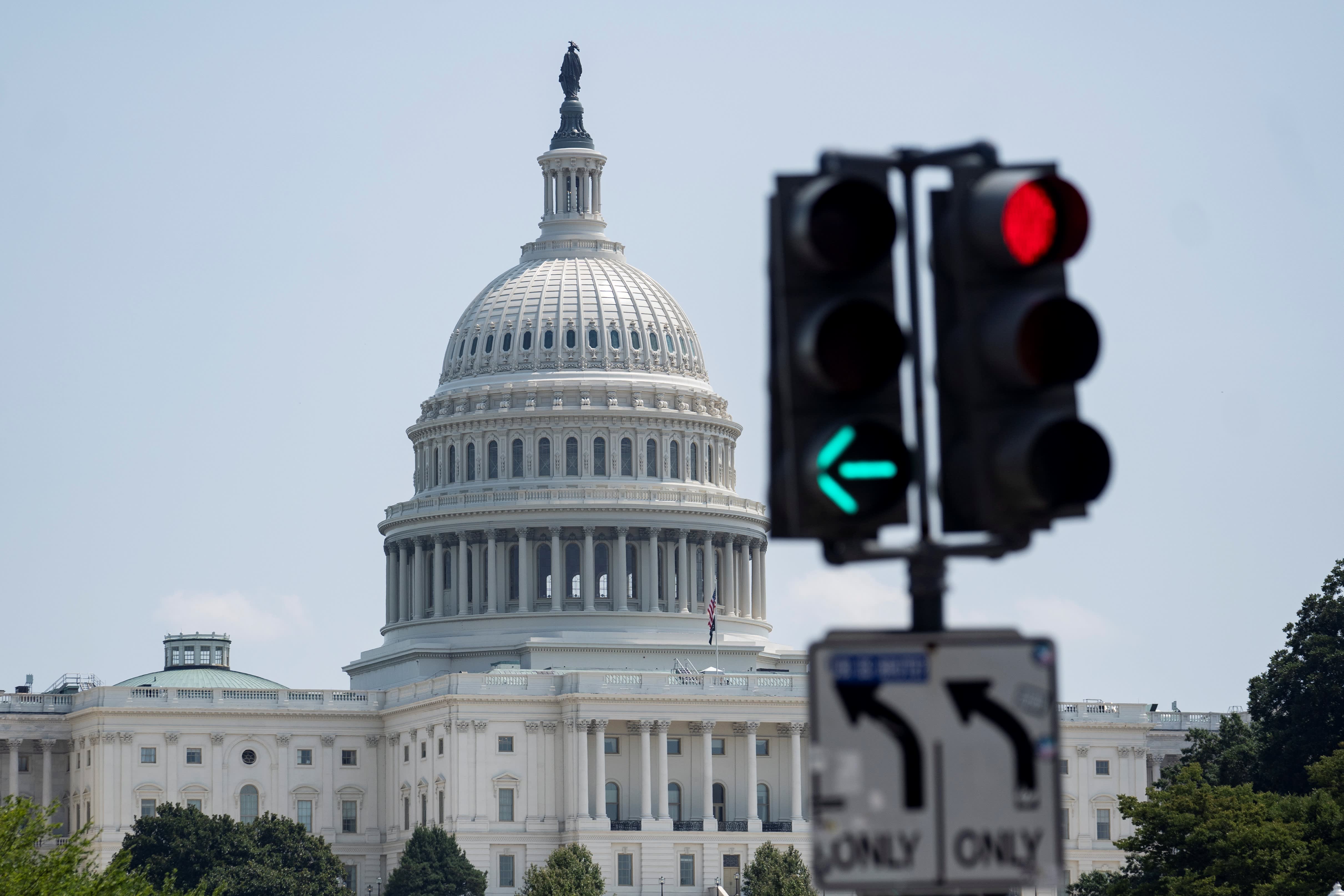
Getty Images
A Defining Moment for Crypto Regulation
The cryptocurrency industry is approaching a pivotal phase as policymakers intensify efforts to establish a comprehensive regulatory framework. After years of fragmented oversight and uncertainty, momentum is building toward clearer guidelines that could reshape how digital assets operate within the financial system. This development is being closely watched by investors, companies, and innovators who have long called for consistency in regulation.
The Push for Coordination Between Agencies
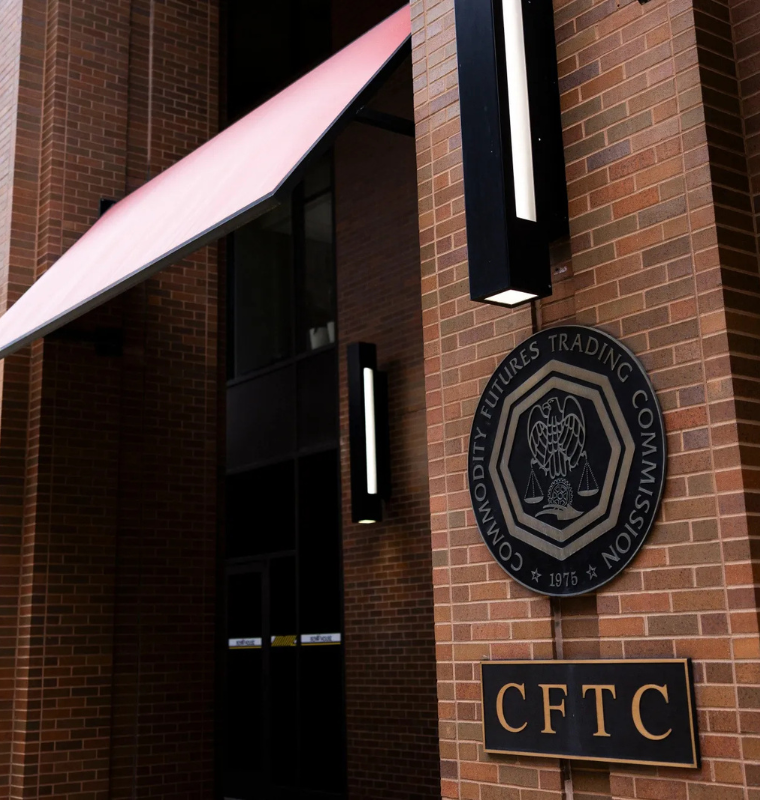
One of the most significant aspects of the current movement is the growing coordination between regulatory bodies. Historically, overlapping jurisdictions created confusion, particularly between agencies responsible for securities and commodities oversight. The new approach aims to define roles more clearly, reducing ambiguity and creating a more structured environment for market participants.
Defining What Constitutes a Digital Asset
A central challenge in crypto regulation has been classification. Determining whether a digital asset should be treated as a security, a commodity, or a new category altogether has been a point of contention. The emerging framework seeks to introduce precise definitions that can be consistently applied. This clarity is expected to reduce legal disputes and provide a stronger foundation for compliance.
Impact on Crypto Exchanges and Platforms
For cryptocurrency exchanges, regulatory clarity could bring both opportunities and challenges. On one hand, clearer rules can legitimize operations and attract institutional participation. On the other hand, stricter compliance requirements may increase operational costs and limit certain activities. Exchanges will need to adapt quickly to meet new standards while maintaining competitiveness.
Investor Protection Takes Priority
A major driving force behind the regulatory push is the need to protect investors. High profile market failures and cases of fraud have highlighted vulnerabilities within the crypto ecosystem. Lawmakers are focusing on measures that enhance transparency, enforce disclosure requirements, and ensure that platforms operate with accountability. These protections are expected to build greater trust among retail and institutional investors alike.
Institutional Adoption Could Accelerate
Clear regulations have long been viewed as a prerequisite for large scale institutional involvement. Many financial institutions have remained cautious due to legal uncertainty and compliance risks. With a defined framework in place, barriers to entry could be significantly reduced. This shift has the potential to unlock substantial capital inflows into the crypto market.
Innovation Faces a Delicate Balance
While regulation brings stability, it also raises concerns about its impact on innovation. The crypto industry thrives on rapid development and experimentation. Overly restrictive policies could hinder progress and discourage startups from entering the space. Policymakers are therefore tasked with finding a balance that encourages innovation while maintaining necessary safeguards.
Global Competition Influences Policy Direction
The push for regulatory clarity is not occurring in isolation. Countries around the world are competing to position themselves as leaders in digital finance. This global dynamic is influencing domestic policy decisions, as governments seek to attract investment and talent. A well designed regulatory framework could provide a competitive advantage on the international stage.
Market Reaction Remains Cautiously Optimistic
Initial reactions from the market suggest cautious optimism. Investors generally view regulatory clarity as a positive development, but uncertainties remain regarding the specifics of implementation. The details of taxation, reporting requirements, and enforcement mechanisms will play a critical role in shaping the overall impact.
A Foundation for Long Term Stability
In the long run, a unified regulatory framework could serve as a cornerstone for the cryptocurrency industry. By establishing clear rules and expectations, it creates an environment where businesses can plan strategically and investors can participate with greater confidence. This stability is essential for the continued growth and maturation of the market.
The movement toward clearer crypto regulation represents a significant step forward for the industry. As lawmakers and regulatory bodies work toward alignment, the potential benefits are substantial. Increased trust, stronger investor protection, and expanded institutional participation could all emerge from this effort. The challenge lies in executing these changes in a way that preserves the innovative spirit that defines the world of digital assets.
Popular articles



Subscribe to unlock premium content
Imran Khan’s Economic Missteps Amid Political Chaos in Pakistan

The Philippines’ Digital Shift How Remittances and BPO Are Fueling Growth

Is the Era of Globalization Over or Just Evolving?

Imran Khan’s Economic Missteps Amid Political Chaos in Pakistan
The Philippines’ Digital Shift How Remittances and BPO Are Fueling Growth
Imran Khan’s Economic Missteps Amid Political Chaos in Pakistan