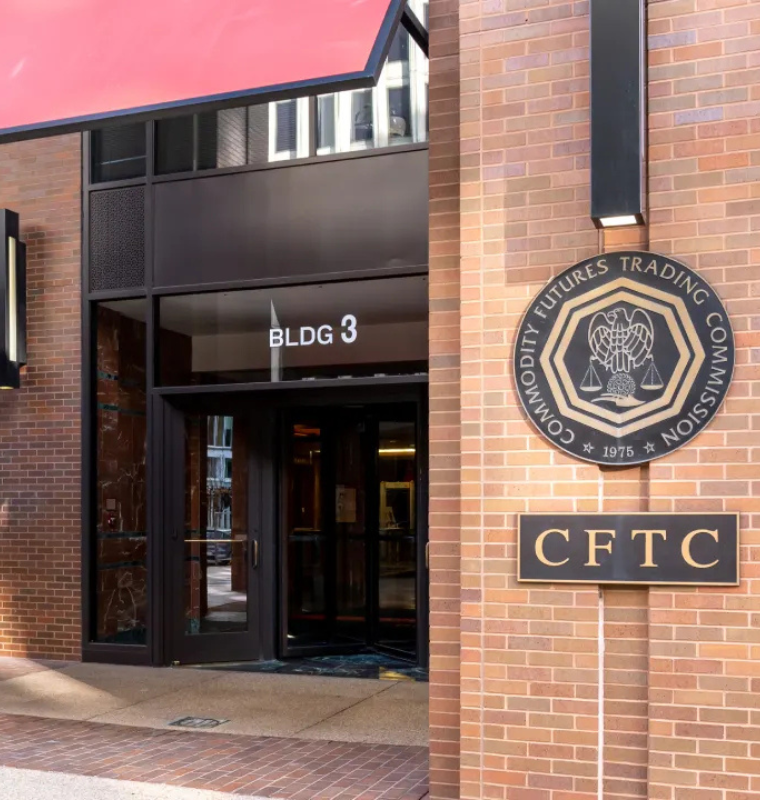
Regulators Tighten Scrutiny on Football Club Crypto Sponsorships
By
David Goldfarb
Last updated:
June 2, 2026
First Published:
June 2, 2026

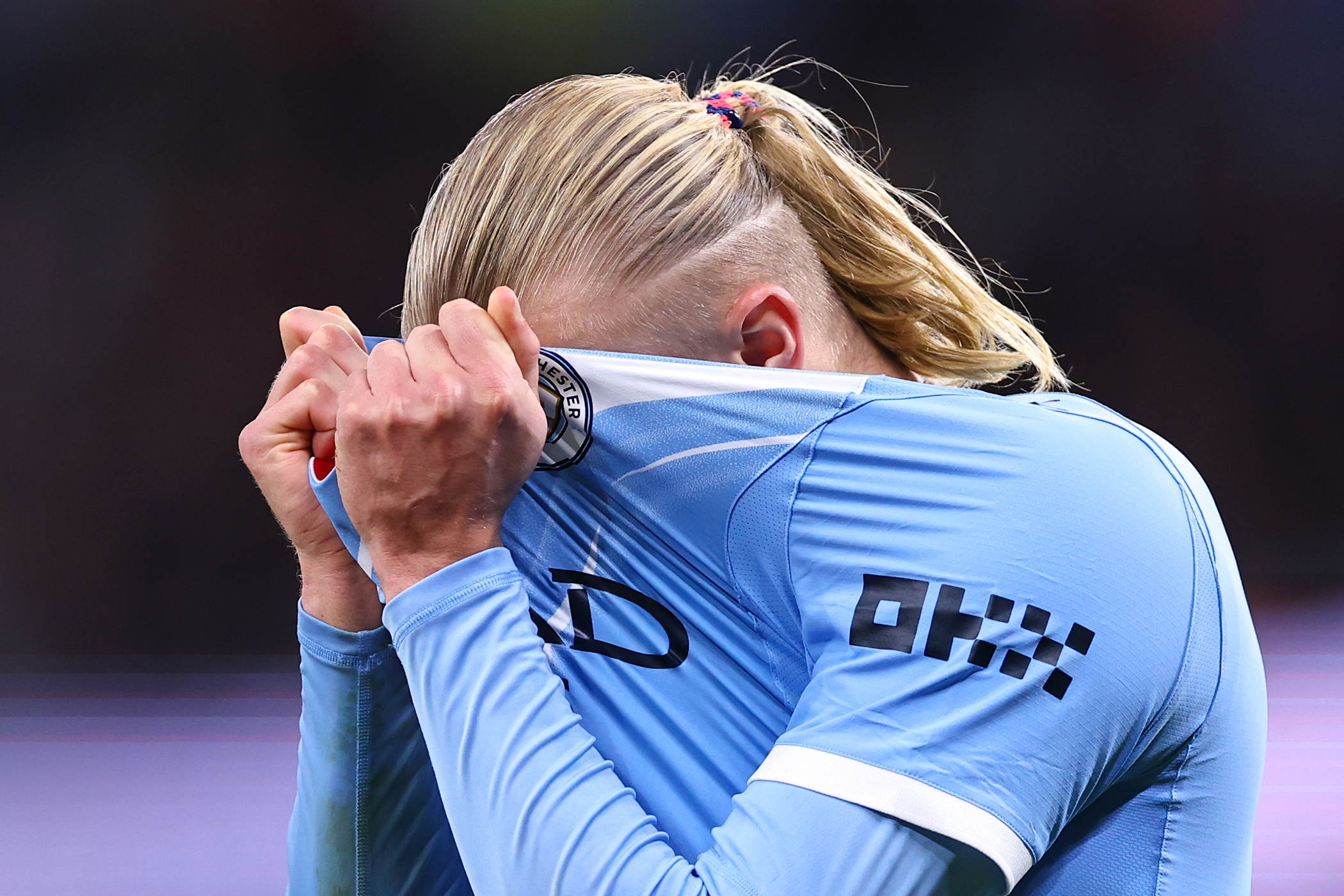
Photo: The Observer
Growing Regulatory Attention on Sports Sponsorships
Regulatory bodies across several regions have increased scrutiny on football clubs that engage in sponsorship agreements with cryptocurrency related companies. The focus is primarily on compliance standards, advertising transparency, and the protection of fans who may be exposed to financial risk through promotional campaigns.
Why Authorities Are Concerned
The main concern from regulators is that some sponsorship deals may promote complex financial products without sufficient explanation of risk. Many fans who follow football clubs are not experienced investors, which raises concerns about the clarity and responsibility of such promotions.
Football Clubs Under Pressure
Several professional clubs have built commercial relationships with digital asset firms in recent years, attracted by strong sponsorship revenue. However, these partnerships are now being reassessed as regulators demand higher standards of disclosure and accountability.
Advertising Standards Becoming Stricter
Authorities are pushing for clearer labeling of promotional content and more transparent communication regarding financial risk. Clubs are being encouraged to ensure that any crypto related messaging does not mislead audiences or imply guaranteed returns.
Impact on Club Revenue Strategies
Football organizations that rely on sponsorship income are now facing a more complex environment. While crypto partnerships once provided a fast growing revenue stream, increased oversight may reduce the number of available deals or change their structure significantly.
Crypto Companies Also Under Observation
Digital asset firms involved in sponsorship agreements are also under closer examination. Regulators are assessing whether marketing practices align with financial advertising rules and whether products being promoted are suitable for mass audiences.
Fan Protection Becomes Central Issue
A key driver of regulatory action is the protection of fans from potential financial harm. Authorities are particularly concerned about younger audiences and casual viewers who may not fully understand the risks associated with digital asset investments.
Clubs Reevaluate Partnership Models
Some football organizations are beginning to reassess how they structure sponsorship agreements. There is growing interest in shifting toward partnerships that focus more on education, transparency, and regulated financial communication.
Industry Reaction Remains Mixed
Within the sports and crypto industries, reactions are divided. Some view the regulatory attention as necessary for long term stability, while others believe it could slow innovation and reduce commercial opportunities.
Potential Shift in Sponsorship Landscape
If regulatory pressure continues, football clubs may gradually move away from direct crypto branding deals and toward more limited or compliance focused collaborations. This could reshape how digital asset firms engage with mainstream sports audiences.
Broader Implications for Marketing in Crypto
The situation reflects a wider trend in which cryptocurrency companies face stricter rules when entering mainstream advertising spaces. As the industry matures, marketing strategies are likely to become more regulated and carefully controlled across multiple sectors.

Popular articles



Subscribe to unlock premium content
Imran Khan’s Economic Missteps Amid Political Chaos in Pakistan

The Philippines’ Digital Shift How Remittances and BPO Are Fueling Growth

Is the Era of Globalization Over or Just Evolving?
Imran Khan’s Economic Missteps Amid Political Chaos in Pakistan
The Philippines’ Digital Shift How Remittances and BPO Are Fueling Growth
Imran Khan’s Economic Missteps Amid Political Chaos in Pakistan