

CFTC Approves First United States Bitcoin Perpetual Futures
By
Rachel Steinberg
Last updated:
June 2, 2026
First Published:
June 2, 2026

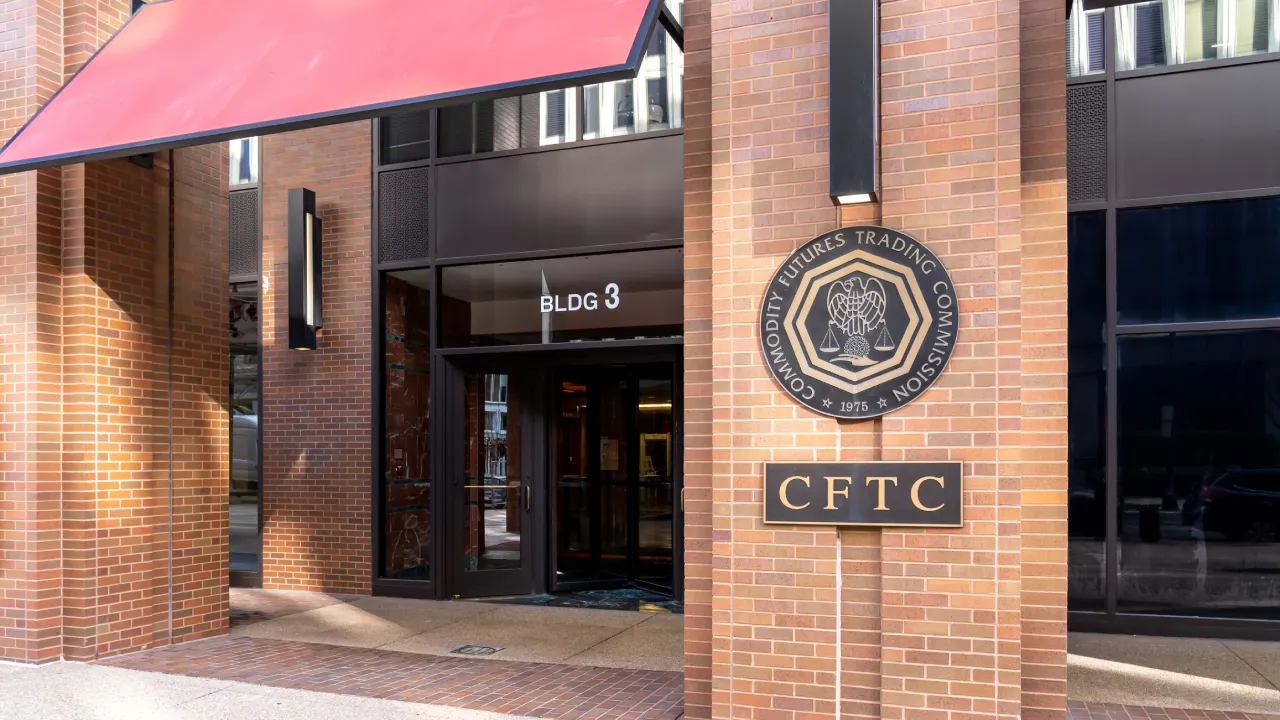
Photo: Decrypt
Regulatory Milestone in United States Markets
A major development has emerged in the digital asset derivatives sector as the Commodity Futures Trading Commission has approved the launch of the first Bitcoin perpetual futures product in the United States. This decision represents a significant step in integrating advanced crypto trading instruments into a regulated financial environment.
What the Approval Means for Traders
The introduction of perpetual futures under regulatory supervision allows traders to gain continuous exposure to Bitcoin price movements without the traditional expiration constraints found in standard futures contracts. This structure is widely used in global crypto markets, and its arrival in a regulated format is expected to attract more institutional participation.
Growing Demand for Regulated Crypto Derivatives
Institutional investors have long expressed interest in more sophisticated Bitcoin related products that meet compliance standards. With this approval, financial institutions now have a pathway to engage with leveraged crypto exposure under a formal regulatory framework rather than relying on offshore platforms.
Strengthening Market Structure
The availability of regulated perpetual futures is expected to enhance market structure by improving liquidity and price discovery. As more participants enter through compliant channels, trading activity may become more balanced and transparent over time.
Impact on Institutional Participation
Large asset managers and hedge funds often require strict regulatory oversight before engaging in derivative markets. The introduction of this product reduces previous barriers and may encourage broader adoption of digital asset strategies within traditional finance portfolios.
Risk Management Considerations
While perpetual futures offer flexibility, they also introduce leverage based risks that must be carefully managed. Regulatory oversight is intended to ensure that exchanges and clearing mechanisms maintain adequate safeguards to reduce systemic instability during periods of high volatility.
Competitive Pressure on Global Exchanges
International trading platforms that already offer similar products may face increased competition as United States based regulated venues expand their offerings. This could gradually shift trading volume toward compliant domestic infrastructure.
Market Reaction to the Announcement
Initial market response has been cautiously positive, with analysts viewing the approval as a signal of continued institutional integration of digital assets. However, traders remain aware that increased leverage access can amplify both gains and losses during volatile conditions.
Broader Implications for Crypto Regulation
This move reflects a broader trend toward formalizing digital asset markets within existing financial oversight systems. By bringing advanced derivatives under regulatory supervision, authorities aim to balance innovation with investor protection.
Exchange Infrastructure Requirements
Trading venues offering perpetual futures will need to meet strict operational standards, including risk controls, margin requirements, and real time monitoring systems. These requirements are designed to ensure market stability during rapid price fluctuations.
Long Term Outlook for Regulated Crypto Markets
Over time, the introduction of regulated perpetual futures may help bridge the gap between traditional financial markets and digital asset ecosystems. As infrastructure matures, crypto derivatives could become a standard component of diversified institutional trading strategies.
Popular articles



Subscribe to unlock premium content
Imran Khan’s Economic Missteps Amid Political Chaos in Pakistan

The Philippines’ Digital Shift How Remittances and BPO Are Fueling Growth

Is the Era of Globalization Over or Just Evolving?
Imran Khan’s Economic Missteps Amid Political Chaos in Pakistan
The Philippines’ Digital Shift How Remittances and BPO Are Fueling Growth
Imran Khan’s Economic Missteps Amid Political Chaos in Pakistan