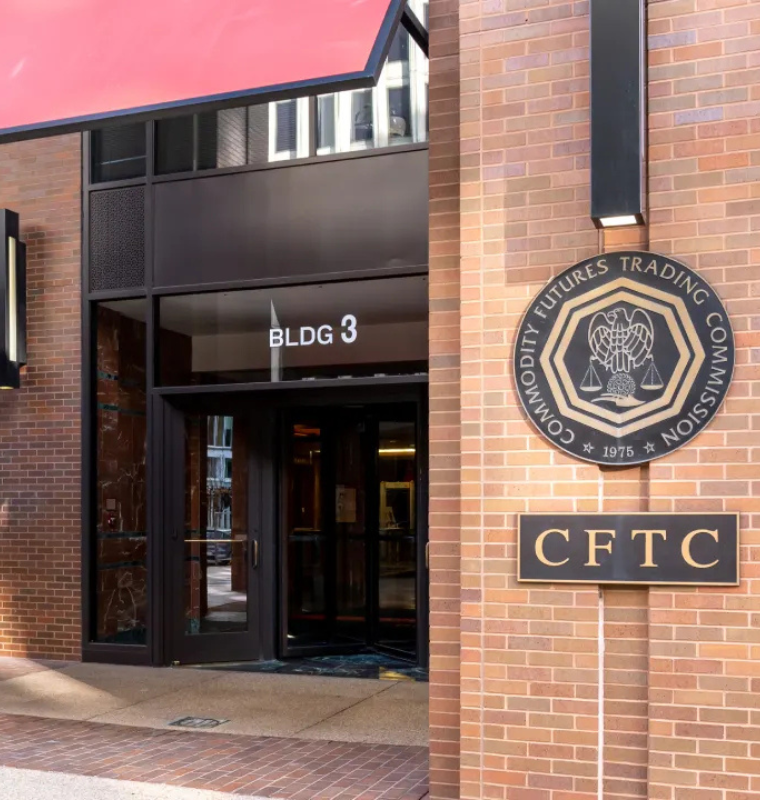
France Orders Crypto Firms to Secure EU Licenses Under Regulatory Deadline Pressure

France Orders Crypto Firms to Secure EU Licenses Under Regulatory Deadline Pressure
By
Leah Rosenfeld
Last updated:
June 2, 2026
First Published:
June 2, 2026


Regulatory Pressure Intensifies Across France
The financial regulatory environment in France has tightened significantly as authorities move to enforce stricter compliance requirements on cryptocurrency firms operating within its jurisdiction. Regulators are now demanding that companies obtain full authorization under the evolving European framework or risk enforcement actions.
Focus on European Union Wide Compliance
The new enforcement stance is closely tied to broader rules introduced across the European Union. These regulations are designed to create a unified licensing system for digital asset service providers, replacing fragmented national rules with a standardized framework.
France Takes a Hard Line on Enforcement
Authorities in France have indicated that firms failing to meet licensing requirements within the defined transition period may face legal consequences, including potential prosecution. This reflects a shift toward stricter oversight and reduced tolerance for operating in regulatory grey zones.
MiCA Framework Becomes Central to Licensing Rules
At the core of this regulatory shift is the Markets in Crypto Assets framework, commonly referred to as MiCA. This policy establishes comprehensive rules for issuance, trading, and service provision within the crypto sector across member states.
Impact on Crypto Service Providers
Crypto exchanges and service providers are now under pressure to reassess their operational structures. Many firms that previously relied on partial or temporary authorizations are being required to transition into fully compliant EU licensed entities.
Compliance Deadlines Create Operational Strain
The urgency of the licensing deadline has created operational challenges for many companies. Legal teams, compliance departments, and executive leadership are working to ensure that documentation, audits, and governance standards meet the required thresholds.
Market Reaction to Regulatory Tightening
The broader digital asset market has reacted cautiously to the news, as increased regulatory enforcement often introduces short term uncertainty. However, some investors view the move as a long term positive step toward institutional legitimacy and market stability.
Exchanges Face Strategic Decisions
Crypto exchanges in particular must now decide whether to invest heavily in compliance infrastructure or scale back operations within the region. This decision will likely shape competitive dynamics across the European trading landscape.
Cross Border Implications for Firms
Because the regulatory framework applies across the entire European Union, companies operating in multiple countries must ensure consistent compliance standards. This eliminates the possibility of regulatory arbitrage within different jurisdictions inside the bloc.
Industry Pushback and Adaptation
Some industry participants have expressed concern about the speed and complexity of implementation, arguing that smaller firms may struggle to meet the requirements. Others believe the rules will ultimately strengthen trust in the sector and attract more institutional capital.
Long Term Outlook for the European Crypto Market
While the short term environment is defined by compliance pressure, the long term outlook suggests a more structured and secure market environment. The regulatory clarity provided by the framework could help position the European region as a leading hub for regulated digital asset activity.

Popular articles



Subscribe to unlock premium content
Imran Khan’s Economic Missteps Amid Political Chaos in Pakistan
The Philippines’ Digital Shift How Remittances and BPO Are Fueling Growth

Is the Era of Globalization Over or Just Evolving?
Imran Khan’s Economic Missteps Amid Political Chaos in Pakistan
The Philippines’ Digital Shift How Remittances and BPO Are Fueling Growth
Imran Khan’s Economic Missteps Amid Political Chaos in Pakistan