Bitcoin Weakens Near 70000 as Global Uncertainty Triggers Broad Selloff

Bitcoin Weakens Near 70000 as Global Uncertainty Triggers Broad Selloff
By
Augusta Parker
Last updated:
June 2, 2026
First Published:
June 2, 2026

.webp)
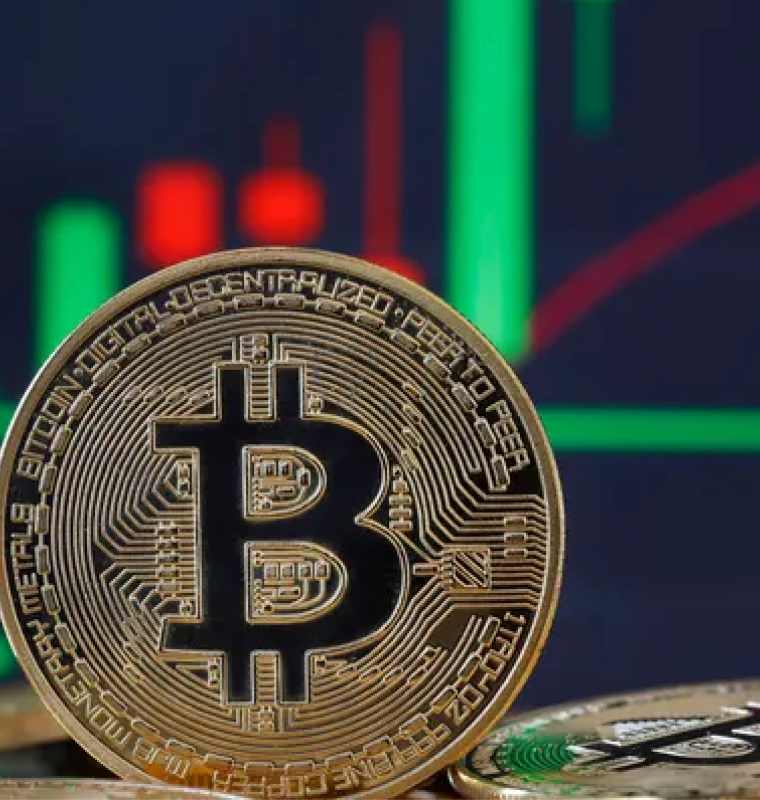
Bitcoin experienced renewed downward pressure as it moved closer to the 70000 level, reflecting a broader risk off sentiment spreading across global financial markets. The decline came after several sessions of weakening momentum where buyers failed to sustain upward price recovery attempts.
Global Uncertainty Drives Investor Caution
The primary driver behind the recent weakness has been growing global uncertainty across financial and geopolitical fronts. Investors have increasingly shifted toward safer assets, reducing exposure to volatile instruments such as cryptocurrencies in the process.
Impact on Bitcoin Market Structure
Bitcoin’s price action shows signs of weakening structure as it struggles to maintain previous support zones. Each attempt at stabilization has been met with renewed selling, suggesting that market participants are hesitant to commit fresh capital at current levels.
Broader Risk Off Sentiment in Financial Markets
The pressure on Bitcoin is not occurring in isolation. Traditional equity markets and other risk sensitive assets have also shown signs of hesitation, indicating a broader shift in investor psychology toward capital preservation rather than aggressive growth positioning.
Altcoin Markets Experience Amplified Declines
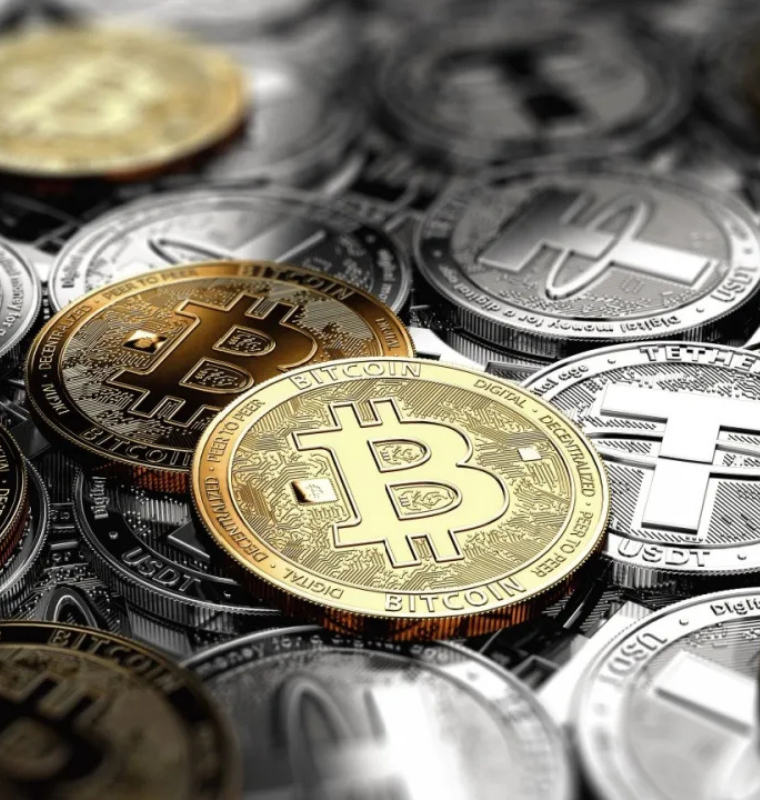
Smaller cryptocurrencies have faced even sharper declines compared to Bitcoin. This is consistent with historical patterns where higher risk assets tend to underperform during periods of macro driven uncertainty and liquidity contraction.
Role of Liquidations in Accelerating Downside
As prices moved lower, leveraged positions across derivatives markets began to unwind. This created additional selling pressure, which further accelerated the decline and contributed to short term volatility spikes.
Institutional Participation Shows Mixed Signals
Institutional behavior has remained inconsistent, with some investors reducing exposure while others continue to accumulate selectively. This divergence has created uneven market flows, limiting the possibility of a stable recovery in the short term.
Liquidity Conditions Tighten Across Exchanges
Trading liquidity has become more fragile during recent sessions, making it easier for large orders to move the market. Reduced depth on order books has amplified price swings in both directions, increasing overall volatility.
Psychological Pressure on Retail Traders
Retail participants have shown heightened sensitivity to rapid price changes, often reacting quickly to short term movements. This behavior has contributed to faster momentum shifts and increased intraday volatility.
Technical Levels Under Scrutiny
Bitcoin is currently trading near key technical zones that traders are closely monitoring. A sustained break below these levels could open the door to further downside, while a successful defense may allow for a period of consolidation.
Macro Conditions Remain the Key Driver
Ultimately, the direction of Bitcoin in the near term remains closely tied to macroeconomic developments. Interest rate expectations, liquidity conditions, and global stability will continue to influence investor appetite for digital assets.
Outlook for the Market Phase
The current phase appears to be a corrective environment rather than a structural breakdown. While sentiment is weak, the underlying crypto ecosystem continues to develop, suggesting that long term trends remain intact even as short term volatility persists.

Popular articles



Subscribe to unlock premium content
Imran Khan’s Economic Missteps Amid Political Chaos in Pakistan
The Philippines’ Digital Shift How Remittances and BPO Are Fueling Growth

Is the Era of Globalization Over or Just Evolving?
Imran Khan’s Economic Missteps Amid Political Chaos in Pakistan
The Philippines’ Digital Shift How Remittances and BPO Are Fueling Growth
Imran Khan’s Economic Missteps Amid Political Chaos in Pakistan