Market Shock as Corporate Bitcoin Holder Executes First Sale Since 2022

Market Shock as Corporate Bitcoin Holder Executes First Sale Since 2022
By
David Goldfarb
Last updated:
June 1, 2026
First Published:
June 1, 2026

Getty Images
Corporate Bitcoin Strategy Enters a New Phase
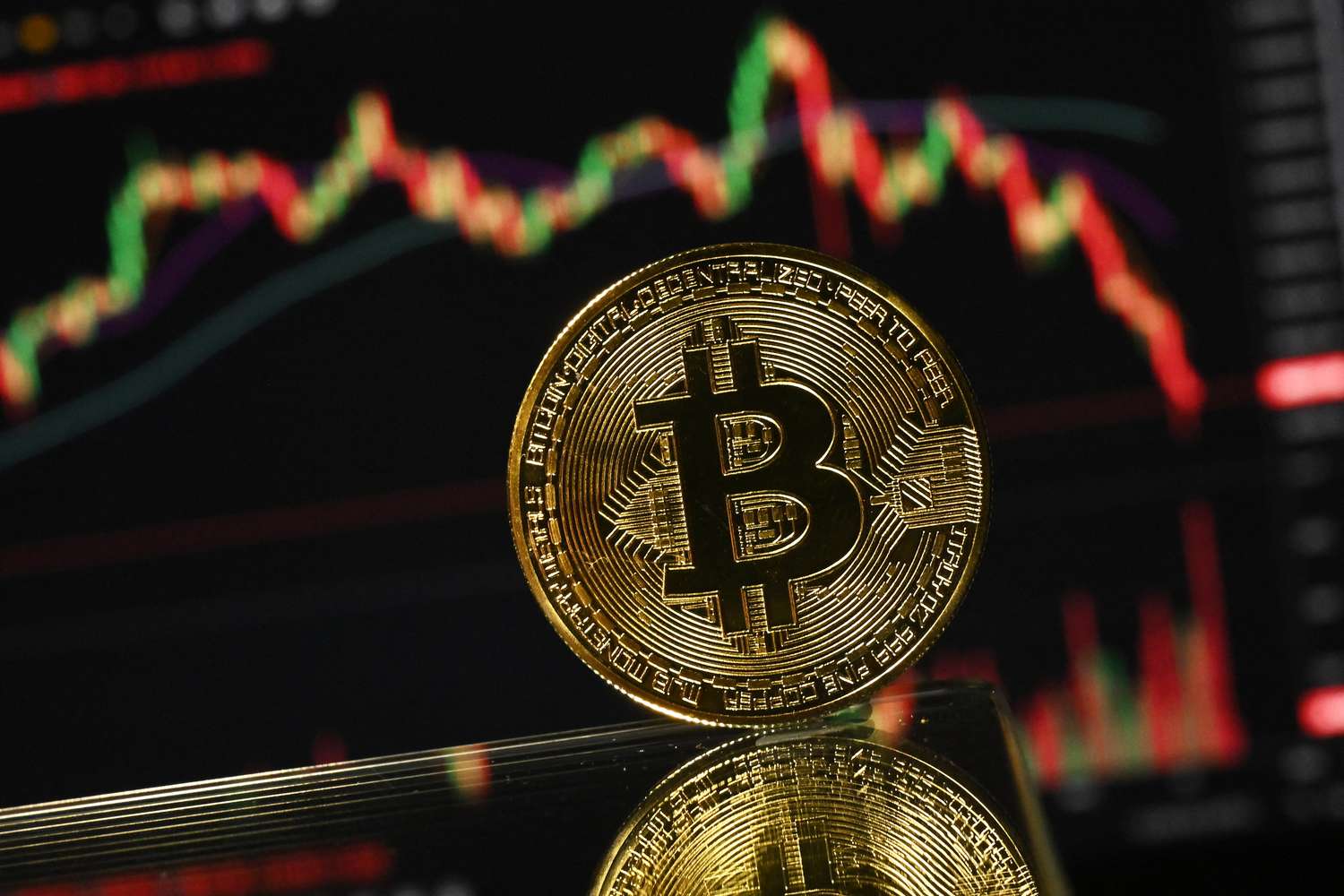
Early June 2026 delivered an unexpected development in the cryptocurrency market as a major corporate holder of Bitcoin executed its first recorded sale since 2022. The move marked a notable departure from its long standing accumulation strategy and immediately drew attention from analysts tracking institutional behavior in digital assets. While the sale represented only a small portion of holdings, the symbolic impact reverberated across trading desks and investor forums.
Market Reaction Driven by Sentiment Rather Than Size
The direct market impact of the sale was limited in scale, but the psychological effect was significantly larger. Traders interpreted the decision as a potential signal of shifting corporate sentiment toward Bitcoin exposure. In markets where perception often drives short term price movement, even minor distribution events from high profile holders can influence volatility and risk positioning.
Portfolio Rebalancing or Strategy Reassessment
Market analysts debated whether the transaction reflected routine treasury management or a broader reassessment of digital asset strategy. Some observers suggested the sale could be tied to liquidity optimization, while others viewed it as a cautious adjustment in response to changing macroeconomic conditions. The lack of additional selling activity so far has left the interpretation open to competing narratives.
Impact on Institutional Confidence
Institutional investors closely monitor the behavior of large corporate holders as a proxy for broader confidence in the asset class. The sale introduced uncertainty into a market already sensitive to capital flow changes. For many participants, the key concern was not the size of the transaction but the possibility that it could represent the beginning of a gradual shift away from aggressive accumulation strategies.
Derivatives Markets Reflect Increased Uncertainty
Following the announcement, derivatives markets showed a modest increase in implied volatility. Traders adjusted positioning to account for potential short term fluctuations in spot price. Options activity indicated a slight uptick in demand for downside protection, suggesting that participants were preparing for additional turbulence rather than immediate recovery.
Broader Market Context of Weakening Demand
The event occurred during a period of already fragile market conditions, with exchange traded fund outflows and macroeconomic uncertainty weighing on sentiment. In this environment, any sign of reduced institutional conviction amplified existing concerns. The sale therefore acted as an accelerant to an already cautious trading environment rather than a standalone catalyst.
Liquidity Conditions Remain Fragile
Liquidity across major trading platforms remained uneven, with thinner order books contributing to sharper price responses. Even moderate selling activity had the potential to move markets more significantly than in high liquidity phases. This structural sensitivity heightened the perceived importance of corporate transactions in shaping short term price dynamics.
Long Term Thesis Still Intact for Many Investors
Despite short term concerns, many long term investors maintained that the fundamental adoption narrative for Bitcoin remains unchanged. Institutional infrastructure, regulatory progress, and global recognition continue to support the broader digital asset ecosystem. However, confidence in timing and valuation remains divided among market participants.
Sentiment Driven Volatility Dominates Trading Behavior
The reaction to the sale underscored how sentiment driven volatility continues to define cryptocurrency markets. Even in cases where fundamental exposure changes are minimal, perception can drive significant trading activity. This dynamic remains one of the most influential forces shaping short term price behavior across the sector.
Outlook for Institutional Activity in June
As June progresses, market participants are closely watching whether this sale represents an isolated event or the beginning of a broader adjustment in corporate digital asset strategies. Future disclosures from large holders will likely play an outsized role in shaping expectations, especially in a market already sensitive to liquidity and sentiment shifts.
Popular articles



Subscribe to unlock premium content
Imran Khan’s Economic Missteps Amid Political Chaos in Pakistan

The Philippines’ Digital Shift How Remittances and BPO Are Fueling Growth

Is the Era of Globalization Over or Just Evolving?

Imran Khan’s Economic Missteps Amid Political Chaos in Pakistan
The Philippines’ Digital Shift How Remittances and BPO Are Fueling Growth
Imran Khan’s Economic Missteps Amid Political Chaos in Pakistan