First Notable Bitcoin Sale From Major Corporate Treasury Sparks Debate Over Institutional Conviction

First Notable Bitcoin Sale From Major Corporate Treasury Sparks Debate Over Institutional Conviction
By
Rachel Steinberg
Last updated:
June 1, 2026
First Published:
June 1, 2026

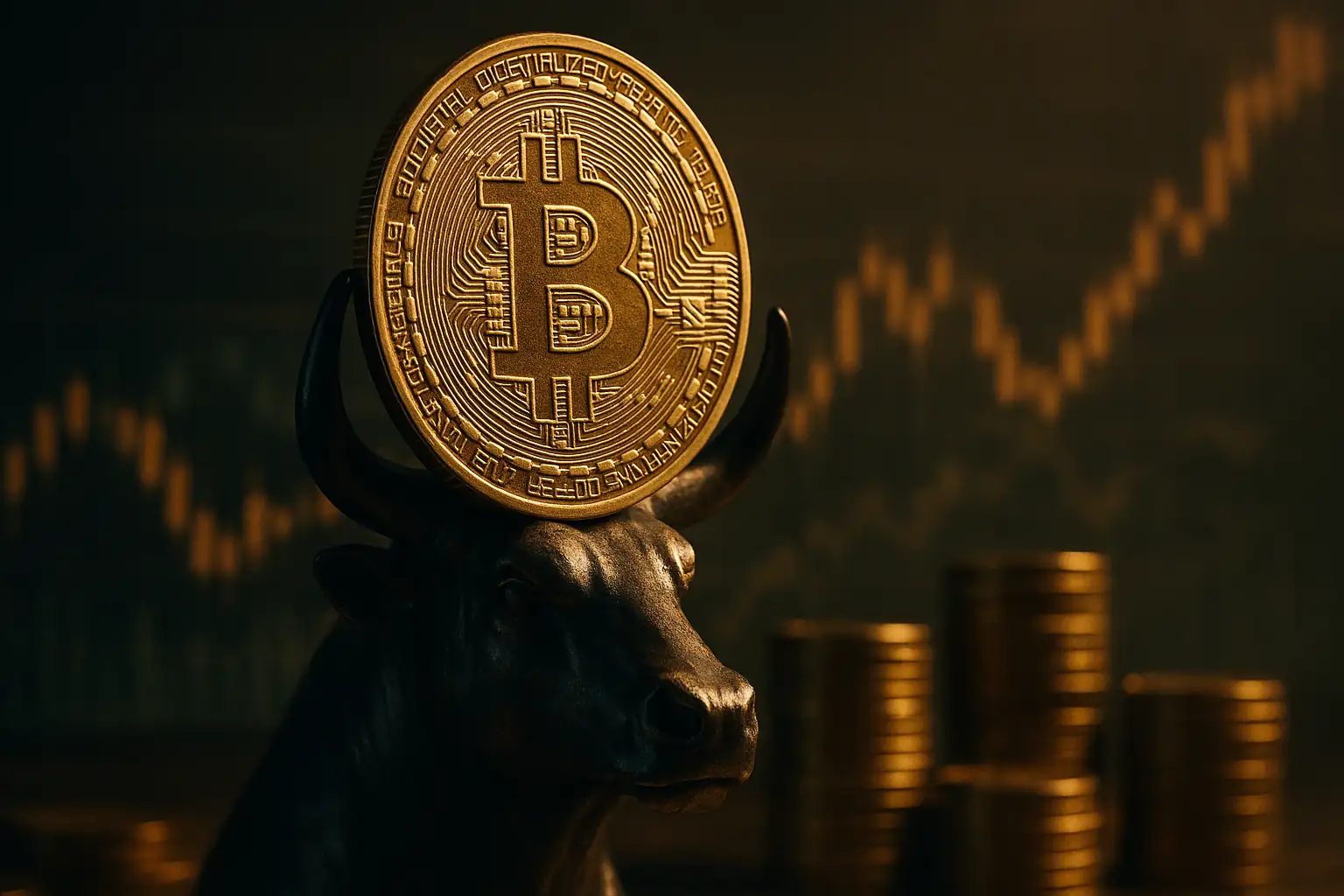
Photo: Pinnacle Digest
Unexpected Treasury Activity Emerges
In early June 2026, the cryptocurrency market reacted sharply to reports that a major corporate treasury entity had executed a partial sale of its Bitcoin holdings. The transaction was the first of its kind since 2022, marking a significant shift in behavior for an institution previously associated with long term accumulation. Although the quantity sold was relatively small compared to its total holdings, the symbolic weight of the move was substantial.
Market Interpretation Driven by Narrative Risk
Traders and analysts quickly focused less on the size of the sale and more on what it could signal about internal conviction. In crypto markets, narrative often plays a stronger role than immediate fundamentals, and this development introduced uncertainty into a segment of the market that had long relied on corporate holders as a stabilizing force.
Sentiment Reaction Outpaces Price Impact
Despite heightened discussion across trading desks and social channels, the direct price impact remained limited. However, sentiment indicators showed a noticeable shift toward caution. Participants began reassessing assumptions about long term corporate commitment to holding Bitcoin through volatility cycles.
Portfolio Management Versus Strategic Shift Debate
Market commentary quickly split into two dominant interpretations. One view suggested the sale was purely operational, possibly linked to liquidity management or internal treasury optimization. The alternative view argued it could represent an early stage adjustment in strategy due to macroeconomic uncertainty or risk recalibration. The absence of follow up selling kept both interpretations active.
Derivatives Markets Show Defensive Positioning
Following the news, derivatives positioning reflected a mild increase in protective hedging activity. Options markets saw higher demand for downside coverage, while futures positioning became more neutral. This shift suggested that traders were preparing for potential volatility rather than committing to a directional bearish or bullish outlook.
Institutional Behavior Under Scrutiny
The move intensified scrutiny of institutional behavior in the crypto ecosystem. Corporate holders have been viewed as key pillars of long term demand for Bitcoin, and any deviation from consistent accumulation patterns tends to attract disproportionate attention. This event reinforced how sensitive the market remains to perceived changes in institutional conviction.
Liquidity Conditions Amplify Perceived Impact
The reaction was further amplified by relatively thin liquidity conditions in early June trading. Even moderate shifts in sentiment can lead to outsized reactions when order books lack depth. This structural feature of crypto markets contributed to the intensity of discussion surrounding the sale.
Broader Market Context of Weak Demand
The event also occurred during a period of weak inflows across exchange traded products and cautious macroeconomic positioning. This backdrop made the market more reactive to any signals of potential distribution from large holders, increasing volatility in response to otherwise limited flow changes.
Long Term Thesis Still Contested but Intact
Despite short term concerns, many investors maintain that the long term investment thesis for Bitcoin remains supported by institutional infrastructure growth and continued global adoption trends. However, confidence intervals around timing and price discovery remain wide, reflecting an ongoing tension between narrative driven trading and structural adoption.
Outlook for Corporate Treasury Behavior
Going forward, market participants will closely monitor additional disclosures from corporate holders to determine whether this sale represents an isolated event or the beginning of a broader behavioral shift. Any further activity of this nature is likely to have an outsized influence on sentiment in the coming weeks, especially in a market already sensitive to liquidity fluctuations.
Popular articles



Subscribe to unlock premium content
Imran Khan’s Economic Missteps Amid Political Chaos in Pakistan

The Philippines’ Digital Shift How Remittances and BPO Are Fueling Growth

Is the Era of Globalization Over or Just Evolving?

Imran Khan’s Economic Missteps Amid Political Chaos in Pakistan
The Philippines’ Digital Shift How Remittances and BPO Are Fueling Growth
Imran Khan’s Economic Missteps Amid Political Chaos in Pakistan