JPMorgan Predicts Potential Approval of U.S. Crypto Market Structure Bill by Mid Year

JPMorgan Predicts Potential Approval of U.S. Crypto Market Structure Bill by Mid Year
By
Alina Sinclair
Last updated:
March 3, 2026
First Published:
April 25, 2026


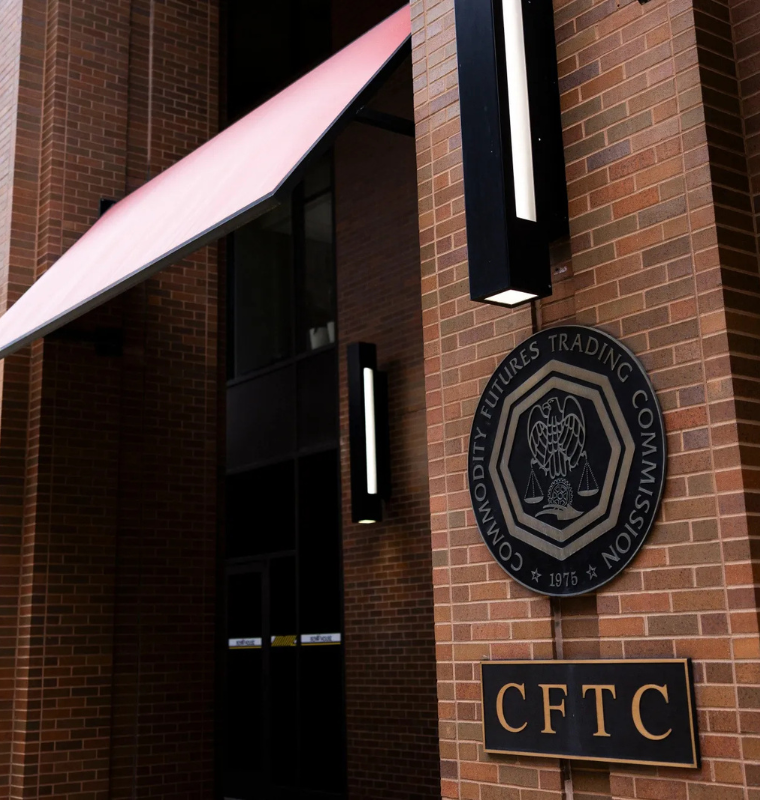
Photo: RiskBusiness
A Potential Turning Point for U.S. Crypto Regulation
JPMorgan analysts highlighted the likelihood that a comprehensive cryptocurrency market structure bill could receive approval by mid year. The proposed legislation aims to provide a clearer regulatory framework for digital assets, addressing uncertainties around trading, custody, and compliance. Market participants are closely watching this development, as regulatory clarity has the potential to unlock significant institutional capital into the cryptocurrency ecosystem.
Understanding the Bill’s Objectives
The proposed legislation seeks to define operational standards for exchanges, custodians, and trading platforms. It includes provisions to improve market integrity, ensure investor protection, and establish reporting requirements for digital asset transactions. By setting clear legal parameters, the bill aims to prevent fragmented enforcement and provide consistent guidance for both domestic and international market participants operating in the U.S.
Implications for Institutional Investors
A key factor driving JPMorgan’s analysis is the potential for the bill to encourage large scale institutional involvement. Hedge funds, asset managers, and corporate treasuries have expressed interest in expanding exposure to digital assets, but regulatory uncertainty has historically slowed adoption. Clear rules could facilitate safer integration of cryptocurrencies into traditional portfolios and unlock more diverse investment products, including exchange traded funds and custody services.
Market Reaction and Anticipated Trends
Financial markets often respond positively to anticipated regulatory clarity. Analysts expect the announcement of potential approval to improve sentiment across digital asset markets, even before formal enactment. Traders may increase positions in Bitcoin and other liquid assets, while project developers could accelerate product launches and infrastructure development in anticipation of a more predictable compliance environment.
Exchange and Custodian Operations
If enacted, the bill would provide operational clarity for exchanges and custodial institutions. Standardized registration processes, risk management requirements, and capital adequacy rules could streamline operations and reduce legal ambiguity. Firms that have previously limited activities due to compliance concerns might expand offerings, leading to greater market liquidity and more efficient capital flows.
Impact on Crypto Ecosystem Development
Regulatory certainty is often correlated with increased innovation. Developers and startups seeking to build decentralized applications and blockchain infrastructure could benefit from a predictable legal landscape. The potential approval of the bill may foster a more robust ecosystem, attracting both institutional and retail participants who seek reliable, regulated platforms for trading and investment.
Balancing Oversight with Innovation
One of the ongoing challenges in the bill’s design is maintaining a balance between sufficient oversight and fostering innovation. Overly restrictive rules could hinder technological advancement, while lax regulation may increase systemic risk. Analysts at JPMorgan suggest that the bill, if structured carefully, could serve as a positive catalyst by enabling growth while ensuring market integrity and investor protection.
Global Competitiveness Considerations
The U.S. faces increasing competition from other regions that have implemented clear digital asset regulations. By passing a coherent market structure bill, the United States would signal its commitment to remaining competitive in the global blockchain and digital finance landscape. Clear regulations may encourage foreign investment and prevent capital flight to jurisdictions with more predictable frameworks.
Potential Challenges and Political Dynamics
Despite positive projections, legislative approval is not guaranteed. Lawmakers must negotiate provisions related to agency jurisdiction, reporting standards, and consumer protections. Political dynamics, including debates over regulatory authority between federal agencies, could influence timing and content. Nevertheless, JPMorgan analysts view mid year approval as a plausible scenario based on current momentum.
Long Term Implications for Investors
If approved, the market structure bill could fundamentally shift the landscape for digital asset investment. Institutional participants may increase allocations, exchanges may enhance services, and the broader ecosystem could see accelerated growth. Regulatory clarity would reduce uncertainty premiums, potentially stabilizing volatility and supporting sustainable market development. For investors, the bill represents a potential structural catalyst with far reaching effects on how digital assets are integrated into global finance.

Popular articles



Subscribe to unlock premium content
Imran Khan’s Economic Missteps Amid Political Chaos in Pakistan

The Philippines’ Digital Shift How Remittances and BPO Are Fueling Growth

Is the Era of Globalization Over or Just Evolving?

Imran Khan’s Economic Missteps Amid Political Chaos in Pakistan
The Philippines’ Digital Shift How Remittances and BPO Are Fueling Growth
Imran Khan’s Economic Missteps Amid Political Chaos in Pakistan