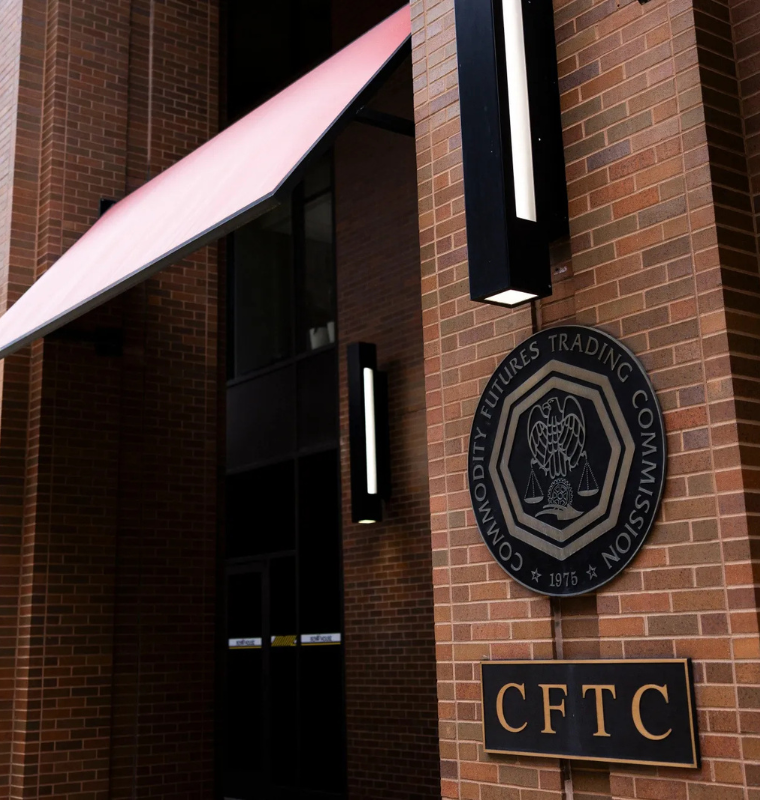
Institutional Demand for Regulated Crypto Trading Platforms Continues to Rise

Institutional Demand for Regulated Crypto Trading Platforms Continues to Rise
By
Alina Sinclair
Last updated:
March 5, 2026
First Published:
April 25, 2026

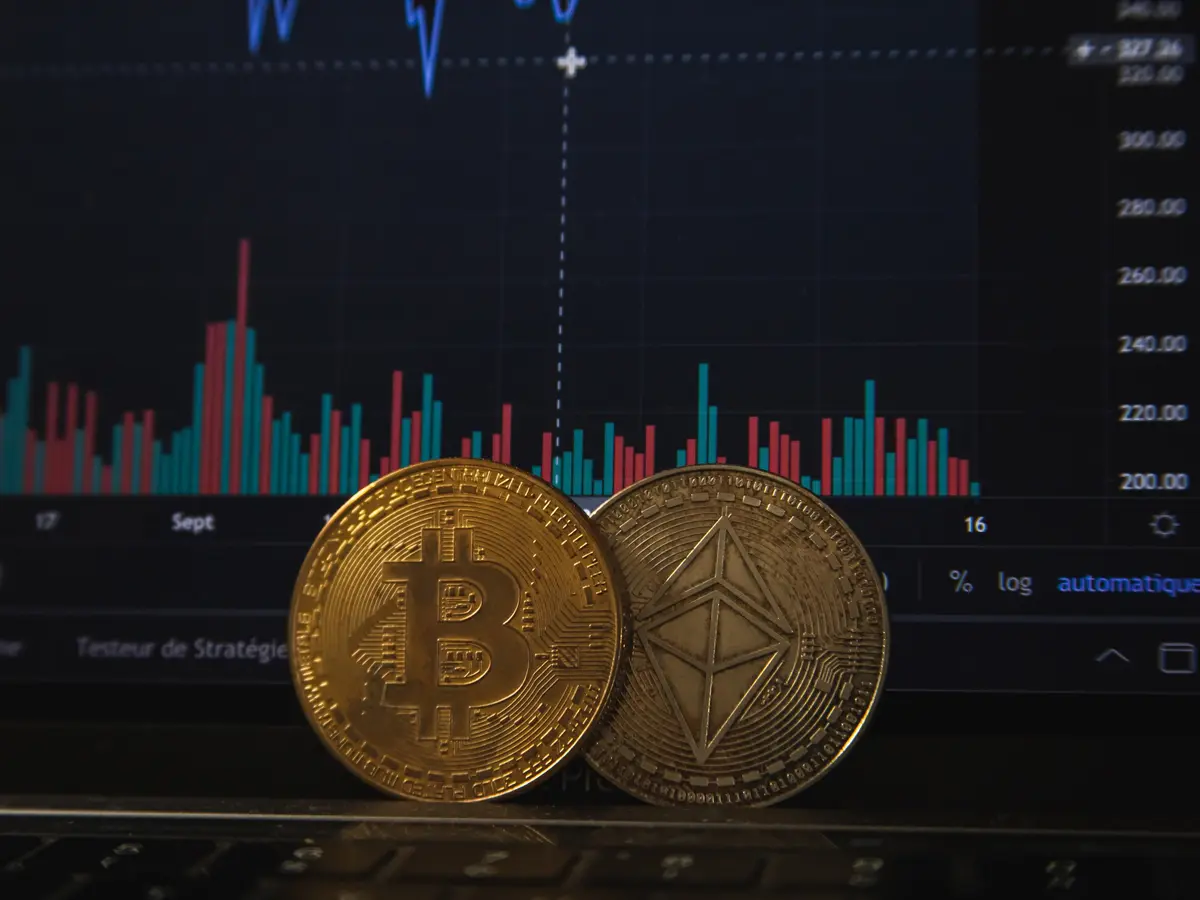
Photo: Al Arabiya
A Shift Toward Professional Crypto Infrastructure
The cryptocurrency industry is witnessing a notable increase in institutional participation, driven by growing demand for regulated trading platforms. Asset managers, hedge funds, and other professional investors are seeking secure and compliant environments to trade digital assets. This trend reflects the maturation of the cryptocurrency ecosystem as it moves beyond retail speculation toward professional market engagement.
The Appeal of Regulated Platforms
Regulated exchanges offer financial institutions the transparency, security, and compliance measures required for large-scale trading. These platforms typically provide clear reporting, risk management tools, and oversight mechanisms that align with traditional financial standards. As a result, institutions can participate in cryptocurrency markets without compromising regulatory obligations or fiduciary responsibilities.
Risk Management and Operational Safety
Institutional investors prioritize platforms that reduce operational and financial risks. Regulated exchanges often include features such as proof of reserves, insurance coverage, and segregated customer accounts. These safeguards help protect investor funds and ensure that trading activities are conducted in a controlled and predictable environment.
Integration With Traditional Finance
Many regulated cryptocurrency platforms are integrating with traditional financial infrastructure, enabling institutions to bridge digital and conventional markets. This includes support for fiat on-ramps, banking partnerships, and compliance with anti-money laundering and know-your-customer regulations. Such integration enhances market accessibility for institutions that may be new to digital assets.
Growing Institutional Capital Flows
The influx of institutional capital is having a stabilizing effect on cryptocurrency markets. Large investors contribute significant liquidity, which helps mitigate extreme volatility. In addition, institutional participation often encourages more disciplined trading practices and longer-term investment horizons compared with retail speculation.
Technological Advancements Supporting Institutions
Advanced trading platforms are equipping institutions with sophisticated tools for analytics, algorithmic trading, and portfolio management. These technological developments enable professional investors to make informed decisions and execute strategies efficiently across multiple digital assets.
Regulatory Clarity as a Catalyst
Regulatory clarity remains a key factor influencing institutional adoption. Jurisdictions providing clear legal frameworks for cryptocurrency trading and custody encourage greater institutional involvement. Regulated exchanges operating in compliant jurisdictions become attractive entry points for large-scale investors seeking reassurance that their activities are recognized and protected by law.
Competitive Advantage for Exchanges
Exchanges that cater to institutional demand gain a strategic advantage in the evolving market landscape. Platforms emphasizing compliance, robust infrastructure, and high liquidity are more likely to attract and retain institutional clients. This competition fosters innovation and higher service standards across the industry.
Global Trends in Institutional Participation
The rise in institutional engagement is not limited to a single region. Globally, investors are increasingly incorporating cryptocurrencies into diversified portfolios, viewing digital assets as both a growth opportunity and a hedge against traditional market volatility. This trend signals broader acceptance of digital assets within mainstream finance.
Implications for the Future of Crypto Markets
The continued growth of institutional demand for regulated platforms suggests that cryptocurrency markets are entering a new phase of maturity. As professional investors expand their participation, market practices will likely become more structured, liquidity will improve, and risk management will be elevated. For exchanges, regulators, and investors alike, this development represents a pivotal step toward a more stable and professionalized cryptocurrency ecosystem.

Popular articles



Subscribe to unlock premium content
Imran Khan’s Economic Missteps Amid Political Chaos in Pakistan

The Philippines’ Digital Shift How Remittances and BPO Are Fueling Growth

Is the Era of Globalization Over or Just Evolving?
Imran Khan’s Economic Missteps Amid Political Chaos in Pakistan
The Philippines’ Digital Shift How Remittances and BPO Are Fueling Growth
Imran Khan’s Economic Missteps Amid Political Chaos in Pakistan