Goldman Sachs Files for First Bitcoin ETF Amid Growing Institutional Interest

Goldman Sachs Files for First Bitcoin ETF Amid Growing Institutional Interest
By
Rachel Steinberg
Last updated:
April 14, 2026
First Published:
April 25, 2026

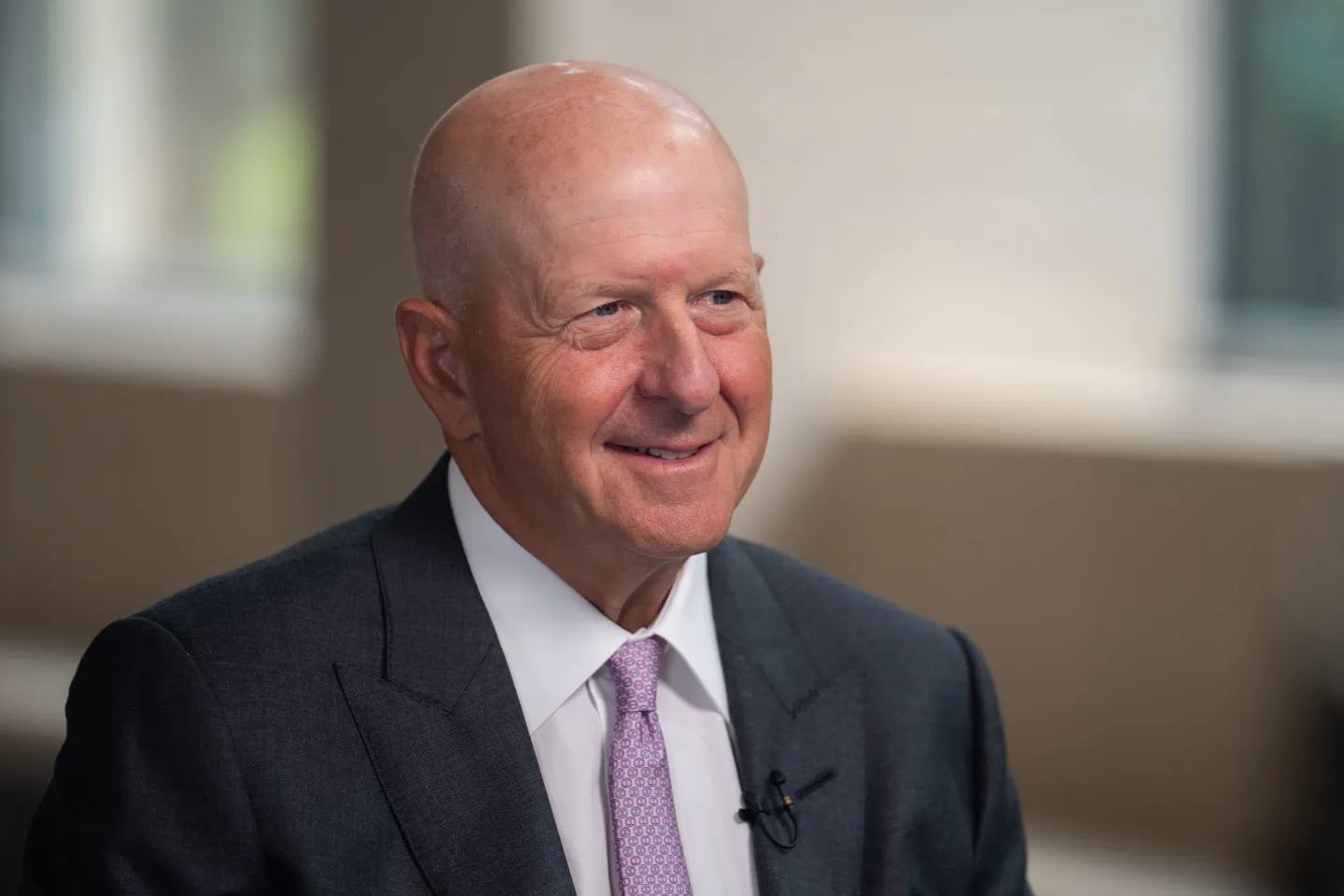
Getty Images
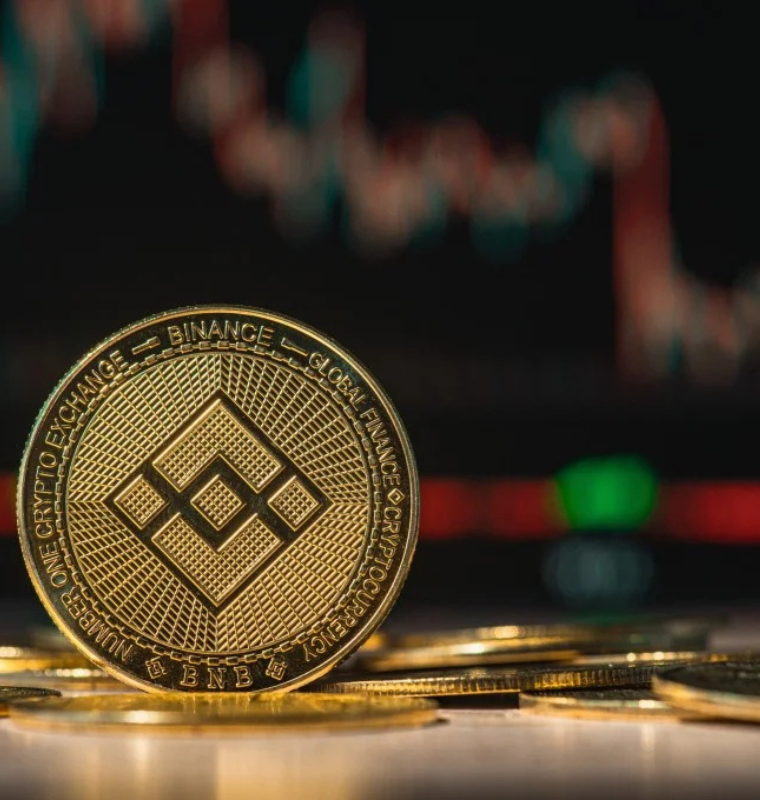
Goldman Sachs has taken a significant step toward deeper involvement in the cryptocurrency ecosystem by filing for its first Bitcoin exchange traded fund. This move reflects a broader transformation in how traditional financial institutions are approaching digital assets, shifting from cautious observation to active product development.
The filing comes at a time when demand for regulated crypto investment vehicles is reaching new highs. Investors, particularly institutions, are increasingly seeking exposure to Bitcoin without directly holding the asset. An exchange traded fund structure provides a familiar and regulated pathway for gaining such exposure within traditional financial markets.
This development is particularly important because it represents continued convergence between Wall Street and the digital asset economy. Major financial institutions are no longer treating cryptocurrencies as peripheral instruments. Instead, they are integrating them into structured investment offerings that align with existing regulatory and compliance frameworks.
For Goldman Sachs, the decision to file for a Bitcoin based fund aligns with its broader strategy of expanding into alternative assets. The firm has already engaged with blockchain related services in various capacities, but this filing marks a more direct step into productization of cryptocurrency exposure for clients.
Market analysts interpret this move as a signal that institutional acceptance of Bitcoin is entering a more advanced stage. Rather than relying solely on third party crypto platforms, major banks are now developing in house financial products that allow clients to access digital assets through traditional brokerage channels.
The timing of the filing is also notable. It arrives amid strong market performance for Bitcoin and increasing inflows from institutional investors. This environment creates favorable conditions for new financial products, as investor interest tends to rise alongside asset momentum and broader market visibility.
Another important factor is the growing clarity in regulatory expectations surrounding cryptocurrency based investment products. While the regulatory landscape remains complex, recent developments have provided more defined guidelines for how such funds can be structured and offered to investors. This has encouraged more institutions to move forward with filings.
If approved, a Bitcoin exchange traded fund from Goldman Sachs could significantly expand access to cryptocurrency markets. It would allow pension funds, wealth managers, and retail investors to gain exposure through standard investment accounts, reducing barriers associated with direct crypto ownership such as custody and security management.
The competitive landscape for Bitcoin funds is also intensifying. As more financial giants explore similar products, the market is expected to become increasingly diversified. This competition could lead to lower fees, improved liquidity, and more sophisticated investment structures designed to meet different risk profiles.
At the same time, some caution remains within the financial sector. Volatility in cryptocurrency markets continues to be a concern for risk sensitive institutions. However, the structured nature of exchange traded funds is seen as a mitigating factor, offering better oversight and standardized reporting compared to direct crypto trading.
Overall, Goldman Sachs filing for a Bitcoin exchange traded fund represents a pivotal moment in the evolution of digital asset adoption within traditional finance. It highlights a growing recognition that cryptocurrencies are becoming an established component of global investment portfolios rather than a speculative niche.

Popular articles



Subscribe to unlock premium content
Imran Khan’s Economic Missteps Amid Political Chaos in Pakistan

The Philippines’ Digital Shift How Remittances and BPO Are Fueling Growth

Is the Era of Globalization Over or Just Evolving?

Imran Khan’s Economic Missteps Amid Political Chaos in Pakistan
The Philippines’ Digital Shift How Remittances and BPO Are Fueling Growth
Imran Khan’s Economic Missteps Amid Political Chaos in Pakistan