Global Regulators Tighten Oversight of Exchanges to Boost Investor Protection

Global Regulators Tighten Oversight of Exchanges to Boost Investor Protection
By
David Goldfarb
Last updated:
March 5, 2026
First Published:
April 25, 2026


Photo: Law.asia
Heightened Regulatory Focus on Crypto Exchanges
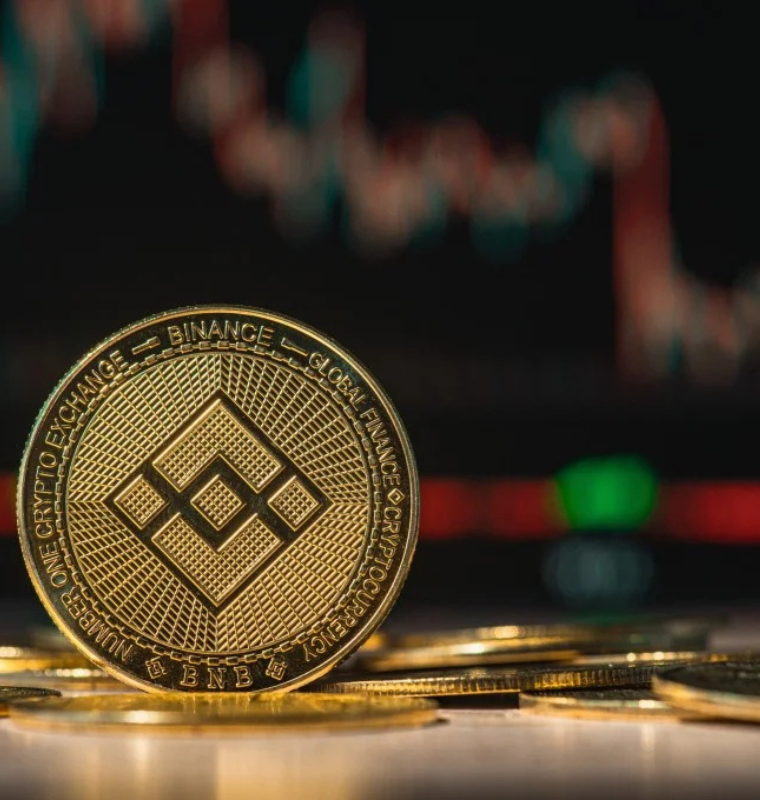
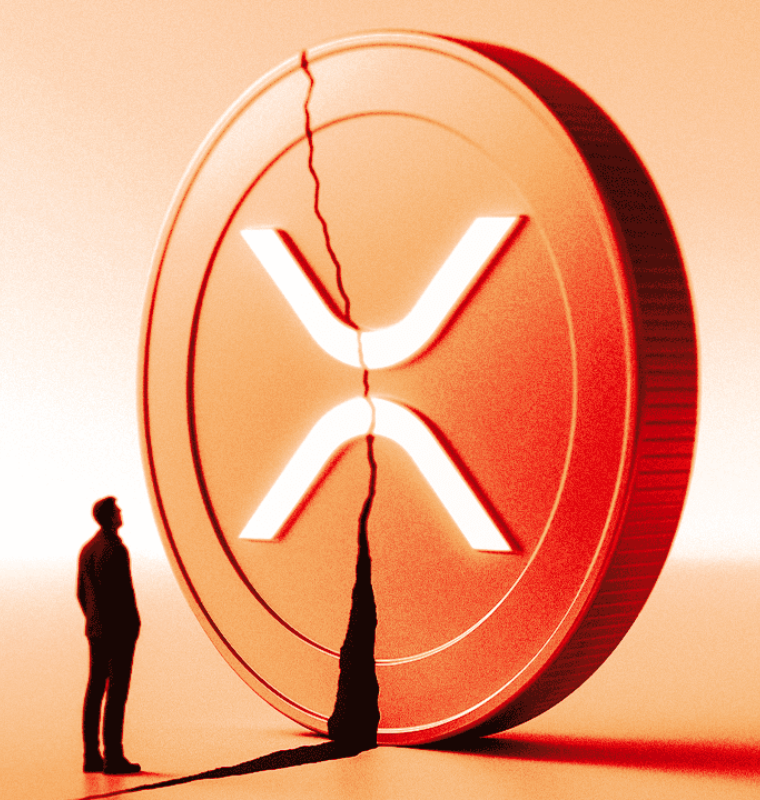
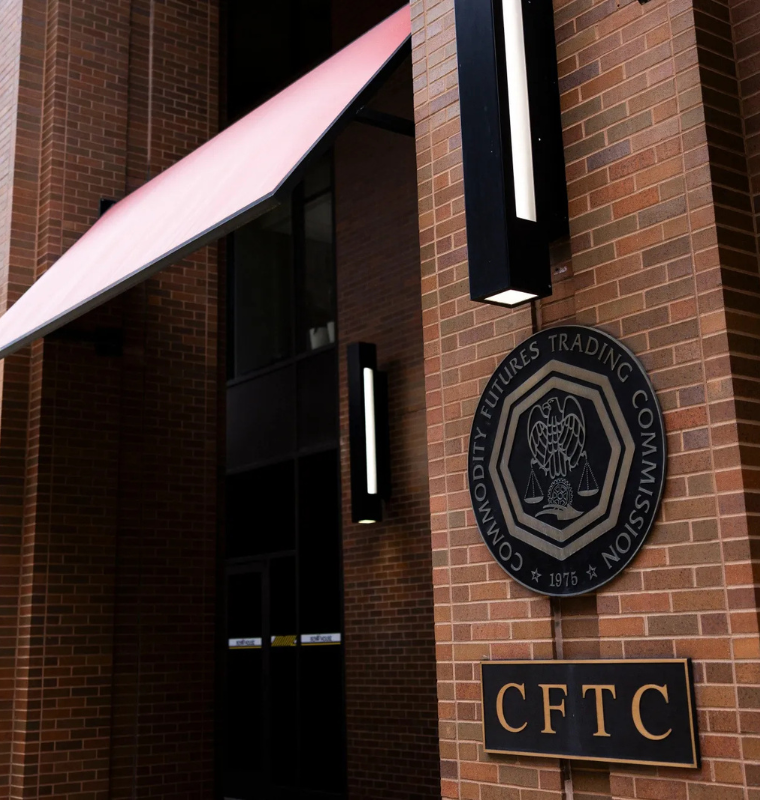
Cryptocurrency exchanges worldwide are facing increased scrutiny as global regulators work to protect investors and strengthen market integrity. Financial authorities across multiple regions are implementing stricter rules for trading platforms, aiming to prevent fraud, money laundering, and operational failures. This regulatory shift reflects the growing recognition of digital assets as a mainstream component of the financial system.
Ensuring Transparency in Operations
A primary focus of regulators is ensuring that exchanges operate transparently. Requirements now include regular reporting of assets, proof of reserves, and disclosure of risk management practices. By demanding transparency, regulators hope to provide investors with a clearer understanding of platform reliability and financial health.
Investor Protection Measures
Protecting retail and institutional investors remains a central priority. New rules are designed to prevent situations where customer funds could be mismanaged or lost due to platform insolvency. Many jurisdictions are mandating that exchanges maintain segregated accounts, implement insurance protocols, and adhere to strict cybersecurity standards to safeguard user assets.
Compliance With Anti-Money Laundering Standards
Anti-money laundering and know-your-customer regulations are being strengthened across the crypto sector. Exchanges are now required to implement more robust verification procedures, monitor suspicious transactions, and cooperate with law enforcement agencies. These measures help prevent illicit activity while fostering a safer trading environment.
Cross-Border Coordination
International coordination among regulatory bodies is increasing. Authorities are collaborating to create consistent standards, reduce regulatory arbitrage, and improve information sharing. This global approach aims to ensure that exchanges operating in multiple countries comply with high standards of accountability and investor protection.
Impact on Exchange Operations
The new oversight measures require exchanges to upgrade internal systems, enhance auditing processes, and maintain detailed operational records. While compliance may involve significant operational costs, it also helps build trust with customers and institutional partners. Platforms that meet these standards are likely to gain a competitive advantage in a crowded market.
Market Confidence and Stability
Stronger regulation contributes to overall market stability. By reducing the risk of fraud and insolvency, investor confidence is enhanced, which encourages greater participation in cryptocurrency markets. Stable and transparent exchanges create an environment where both retail and institutional traders can operate with assurance.
Balancing Innovation With Regulation
Regulators are mindful of the need to foster innovation while enforcing safety measures. Cryptocurrency markets thrive on technological advancement, so policies are being crafted to avoid stifling growth. Exchanges are expected to adopt best practices that support both innovation and compliance.
Global Industry Response
Many leading exchanges have welcomed increased oversight as it provides a framework for responsible growth. By aligning with regulatory expectations, platforms demonstrate commitment to investor protection and long-term market sustainability. Collaborative efforts between exchanges and regulators are shaping a more resilient cryptocurrency ecosystem.
The Road Ahead for Crypto Regulation
As regulatory frameworks evolve, cryptocurrency exchanges are entering a phase of greater accountability and professionalism. The emphasis on transparency, risk management, and compliance signals a maturation of the industry. For investors, these developments create a safer environment to participate in digital asset markets, while for platforms, they offer an opportunity to build credibility and trust in a rapidly expanding global sector.
Popular articles



Subscribe to unlock premium content
Imran Khan’s Economic Missteps Amid Political Chaos in Pakistan
The Philippines’ Digital Shift How Remittances and BPO Are Fueling Growth

Is the Era of Globalization Over or Just Evolving?
Imran Khan’s Economic Missteps Amid Political Chaos in Pakistan
The Philippines’ Digital Shift How Remittances and BPO Are Fueling Growth
Imran Khan’s Economic Missteps Amid Political Chaos in Pakistan