Ethereum Founder Wallet Activity Sparks Market Debate
By
Alina Sinclair
Last updated:
February 3, 2026
First Published:
April 25, 2026

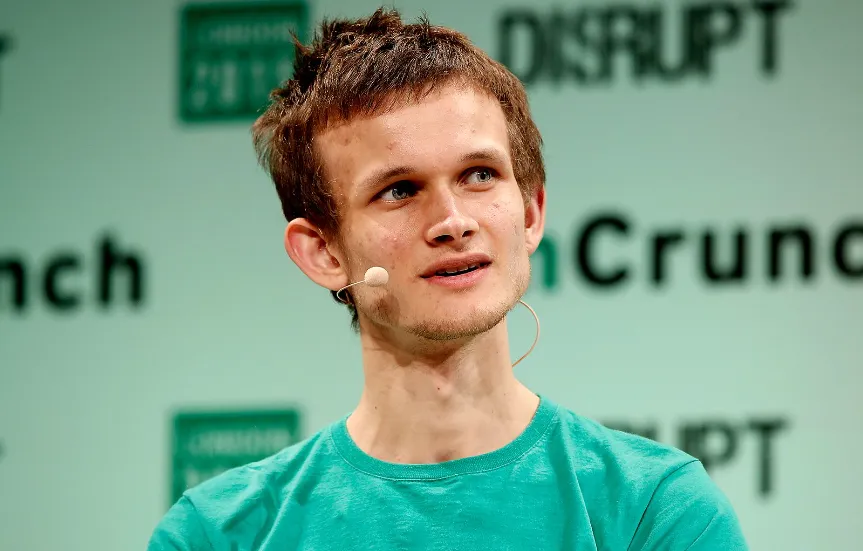
In the world of cryptocurrency, few individuals command as much attention as Ethereum co-founder Vitalik Buterin. His actions are closely monitored by traders and investors, and even a single transaction can trigger widespread speculation. On February 4, 2026, Buterin moved a total of 705 ETH, sparking significant reactions across crypto markets.
The first of these transactions involved 493 ETH, valued at approximately $1.16 million, followed by a smaller transfer of 211.84 ETH. Social media immediately erupted with speculation that these moves signaled a potential sell-off or loss of confidence in Ethereum. Traders, conditioned to react quickly to high-profile wallet activity, began adjusting their positions in response to perceived market risk.
Despite the panic, these transfers were not indicative of any negative sentiment from Buterin regarding Ethereum. Historical patterns show that he regularly reallocates Ethereum holdings into stablecoins and donates to charitable causes. In this case, the funds were directed to Kanro, a biotech charity focused on pandemic preparedness, underscoring Buterin’s commitment to leveraging cryptocurrency for societal impact.
This activity reflects a long-term strategic approach rather than impulsive trading. Vitalik Buterin has publicly expressed his intent to reduce direct expenditures from the Ethereum Foundation while personally funding initiatives in areas such as biotech research, open-source security, and decentralized governance. Such decisions demonstrate that these transactions are part of a larger vision, rather than short-term market maneuvers.
The broader Ethereum market, trading near $2,274 at the time of these movements, experienced minor volatility. Technical indicators such as MACD suggested a bearish trend, while the RSI indicated oversold conditions. This combination hinted that while short-term selling pressure existed, the market could be approaching a stabilization point, providing context for the observed price fluctuations.
Interestingly, institutional investors have taken an opposite stance to the panic-driven reactions. Companies like BitMine Immersion Technologies increased their Ethereum holdings, adding over 41,000 ETH to their treasuries despite significant unrealized losses. This accumulation reflects confidence in Ethereum’s long-term potential and contrasts sharply with the short-term fear among individual traders.
Buterin’s approach highlights a growing distinction between speculation and purposeful capital allocation. While social media often emphasizes immediate wallet activity, high-profile crypto holders frequently make transfers for strategic, philanthropic, or operational reasons. Such actions demonstrate the multifaceted nature of cryptocurrency management beyond mere trading.
The market response underscores the psychological dynamics at play in crypto investing. High-profile wallet movements can amplify fears and trigger automated trading algorithms, creating temporary volatility. Yet, understanding the underlying purpose of transactions provides insight into market sentiment and the sustainability of digital asset projects.
Furthermore, Buterin’s public commentary on financial responsibility and the digital economy adds depth to the narrative. He encourages a focus on solving real-world problems rather than chasing short-term gains. By converting Ethereum into stablecoins for charitable use, he reinforces a vision where blockchain technology contributes meaningfully to global challenges.
In conclusion, the recent Ethereum transfers by Vitalik Buterin serve as a reminder that not all large transactions signal negative outcomes for the market. Observers must differentiate between strategic allocation, philanthropic activity, and speculative trading to form an accurate view of cryptocurrency health. Institutions accumulating Ethereum amid this activity suggest a continued belief in the network’s long-term value, emphasizing the resilience and potential of digital assets in modern finance.

Popular articles



Subscribe to unlock premium content
Imran Khan’s Economic Missteps Amid Political Chaos in Pakistan
The Philippines’ Digital Shift How Remittances and BPO Are Fueling Growth

Is the Era of Globalization Over or Just Evolving?
Imran Khan’s Economic Missteps Amid Political Chaos in Pakistan
The Philippines’ Digital Shift How Remittances and BPO Are Fueling Growth
Imran Khan’s Economic Missteps Amid Political Chaos in Pakistan