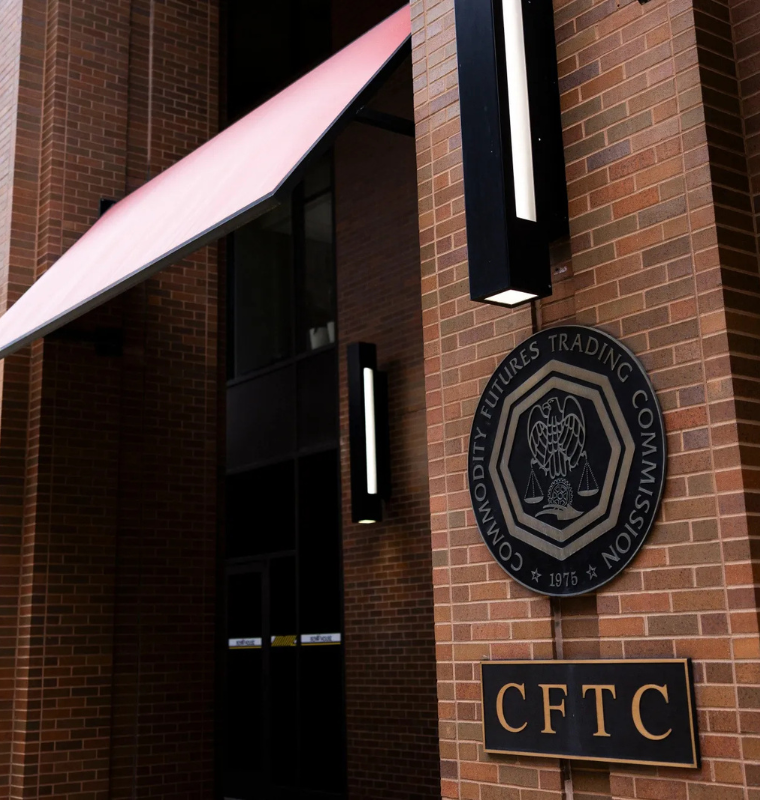
Elon Musk Advocates Blockchain Based Transparency for Government Financial Systems

Elon Musk Advocates Blockchain Based Transparency for Government Financial Systems
By
Augusta Parker
Last updated:
February 4, 2026
First Published:
April 25, 2026

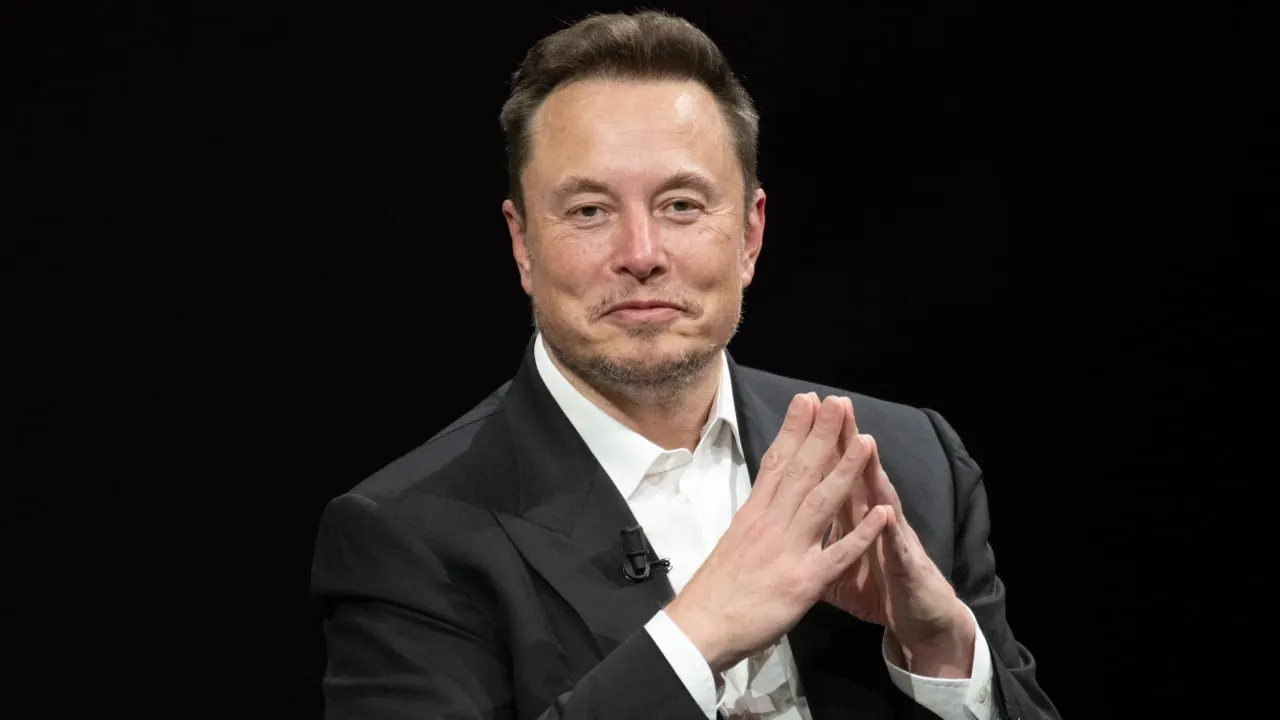
Photo: Decrypt
A Vision for Transparent Governance
Elon Musk has recently called for governments to explore blockchain technology as a means to enhance transparency and accountability in financial systems. Highlighting the potential for distributed ledger technology to track public funds, Musk argues that blockchain can reduce corruption, improve auditability, and create more trust between citizens and institutions. This perspective aligns with broader efforts to integrate technological solutions into governance.
Blockchain as a Tool for Accountability
Blockchain technology allows for immutable and time-stamped records of financial transactions, which can be publicly verified without compromising sensitive information. By implementing such systems, governments could offer real-time visibility into expenditures, revenue collection, and allocation of resources. Musk suggests that this level of transparency could help citizens better understand how public money is used and ensure funds reach intended projects.
Reducing Bureaucracy and Inefficiency
Beyond transparency, blockchain can streamline administrative processes by automating record keeping and reducing reliance on manual audits. Smart contracts, which execute predefined actions automatically, could help governments enforce compliance and manage public funds more efficiently. This could minimize errors, delays, and opportunities for mismanagement, leading to improved operational effectiveness.
Encouraging Public Trust Through Technology
Public confidence in government financial systems often suffers due to perceived opacity or inefficiency. By adopting blockchain solutions, authorities can provide verifiable proof of financial integrity, fostering trust and promoting civic engagement. Musk emphasizes that technological adoption should focus not just on efficiency, but on creating systems that citizens can rely on and understand.
Global Implications and Adoption Trends
Several countries have already experimented with blockchain for public finance, from tracking budgets to issuing digital currencies. Musk’s advocacy highlights the growing interest among influential technology leaders to expand these initiatives. Widespread adoption could establish benchmarks for how governments worldwide handle transparency and accountability in the digital age.
Integration with Cryptocurrency and Digital Assets
While Musk emphasizes blockchain as a ledger technology, its integration with cryptocurrency could further transform public finance. Governments could leverage tokenized assets to manage grants, subsidies, or bonds more effectively. This approach could also enable real-time reporting of fund usage, reducing delays and increasing oversight across complex financial systems.
Challenges and Considerations
Implementing blockchain solutions in government finance is not without challenges. Issues such as scalability, regulatory alignment, data privacy, and technological infrastructure must be addressed. Musk notes that successful adoption will require collaboration between technologists, policymakers, and auditors to ensure systems are secure, efficient, and widely accessible.
Driving Innovation Through Public Sector Adoption
Musk’s advocacy represents a larger trend of using innovative technology to reform traditional institutions. By exploring blockchain solutions, governments have the opportunity to modernize finance management while encouraging broader digital transformation in public administration. Such initiatives can inspire further innovation in adjacent sectors such as healthcare, education, and supply chain oversight.
Potential for Economic and Social Impact
Transparent financial systems can have a profound impact on society by reducing fraud, enhancing equitable distribution of resources, and strengthening economic resilience. Musk emphasizes that blockchain adoption should be measured not only in technical success but also in its ability to improve social outcomes and promote accountability.
Looking Ahead: A Decentralized Future for Public Finance
Elon Musk’s vision underscores the potential of blockchain to redefine the way governments manage financial systems. As discussions around decentralized transparency gain momentum, public institutions may increasingly explore blockchain solutions to ensure that resources are allocated efficiently, monitored rigorously, and trusted universally. This movement could mark the beginning of a new era in governance driven by innovation and accountability.
Popular articles



Subscribe to unlock premium content
Imran Khan’s Economic Missteps Amid Political Chaos in Pakistan

The Philippines’ Digital Shift How Remittances and BPO Are Fueling Growth

Is the Era of Globalization Over or Just Evolving?

Imran Khan’s Economic Missteps Amid Political Chaos in Pakistan
The Philippines’ Digital Shift How Remittances and BPO Are Fueling Growth
Imran Khan’s Economic Missteps Amid Political Chaos in Pakistan