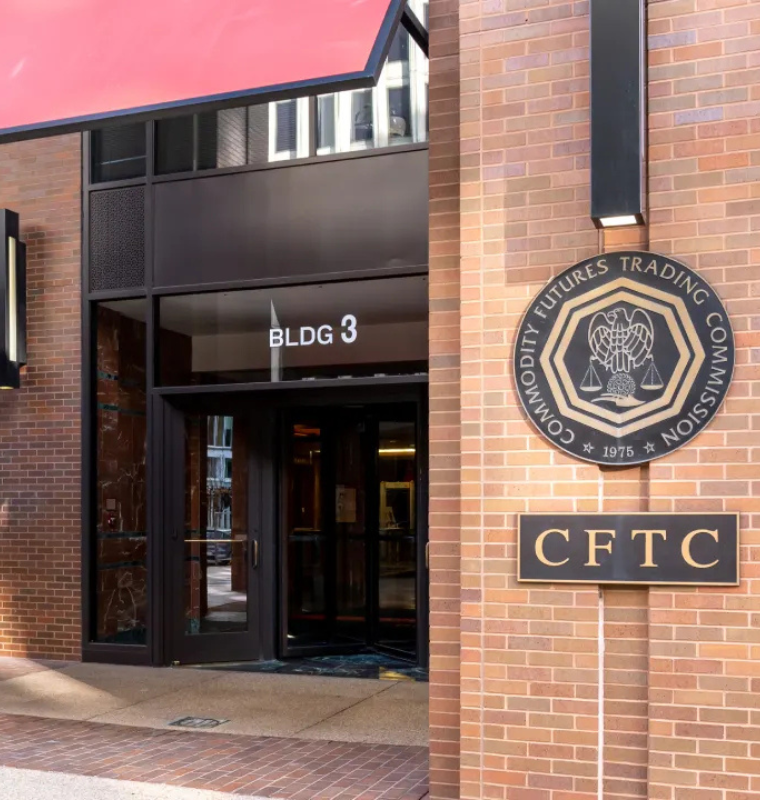

Crypto Market Sees Massive Liquidation Wave as Prices Drop
By
Augusta Parker
Last updated:
June 2, 2026
First Published:
June 2, 2026


Getty Images
The cryptocurrency market experienced a sharp wave of selling that erased billions in value within a short period, driven by a sudden shift in trader sentiment and weakening price momentum across major assets.
Liquidation Surge Intensifies Volatility
A large portion of the decline was fueled by forced liquidations of leveraged positions, where traders borrowing funds to amplify exposure were automatically closed out as prices moved against them.
Bitcoin Leads the Downside Move
Bitcoin played a central role in the downturn as it slipped toward its lowest level in several weeks, setting the tone for broader weakness across the digital asset ecosystem.
Altcoins Follow Market Leader
Alternative cryptocurrencies also declined sharply, often experiencing larger percentage losses than Bitcoin as investors reduced exposure to higher volatility tokens.
Derivatives Market Pressure Builds
Futures and perpetual contracts saw significant stress as funding rates shifted and margin requirements tightened, contributing to accelerated position closures across major exchanges.
Investor Sentiment Turns Cautious
Market participants became increasingly defensive, with many traders reducing exposure or shifting to stable assets while waiting for clearer direction in price action.
ETF Flow Weakness Adds Pressure
Institutional demand through exchange traded products showed signs of cooling, reducing a key source of buying support that had previously helped stabilize prices.
Macro Economic Uncertainty Influences Markets
Broader financial conditions, including uncertainty around interest rate policy and global economic stability, contributed to reduced appetite for higher risk digital assets.
Exchange Activity Shows Heightened Trading
Trading volumes increased significantly during the selloff, reflecting panic driven activity as well as opportunistic positioning by short term traders.
Technical Levels Under Close Watch
Key support zones for Bitcoin and major cryptocurrencies are now under scrutiny, with traders assessing whether the market can stabilize or extend its decline further.
Market Structure Remains Intact Despite Selloff
Even with the sharp correction, underlying blockchain activity and long term development trends continue to progress, suggesting the move is driven more by market mechanics than structural weakness.

Popular articles



Subscribe to unlock premium content
Imran Khan’s Economic Missteps Amid Political Chaos in Pakistan

The Philippines’ Digital Shift How Remittances and BPO Are Fueling Growth

Is the Era of Globalization Over or Just Evolving?

Imran Khan’s Economic Missteps Amid Political Chaos in Pakistan
The Philippines’ Digital Shift How Remittances and BPO Are Fueling Growth
Imran Khan’s Economic Missteps Amid Political Chaos in Pakistan