Coinbase Expands Into India With Direct INR Banking Rails Launch
By
Alina Sinclair
Last updated:
May 31, 2026
First Published:
May 31, 2026

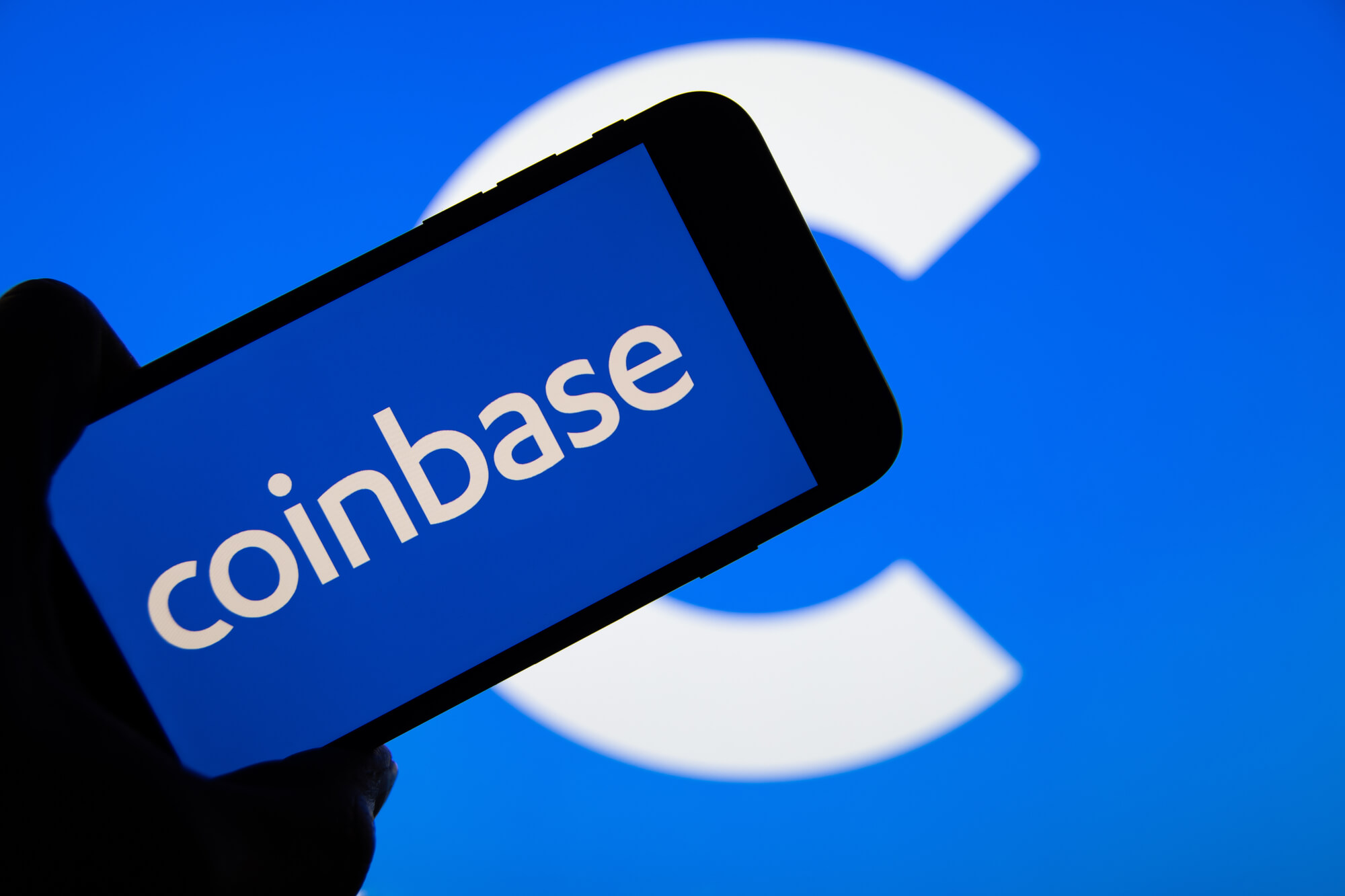
Photo: Crypto Valley Journal
India Becomes a Key Battleground for Global Crypto Exchanges
The global cryptocurrency industry is entering a new phase of competition as major exchanges look beyond traditional markets and focus on regions with enormous untapped potential. Among all emerging crypto markets, India stands out as one of the most promising. With a population exceeding one billion people, a rapidly expanding digital economy, and a generation that embraces technology driven financial services, the country has become a major target for international crypto firms.
Coinbase's decision to expand its operations in India through the launch of direct INR banking rails marks a significant moment for both the company and the broader digital asset sector. The move signals confidence in India's long term crypto future and highlights the growing importance of creating seamless connections between traditional finance and blockchain based assets.
Direct INR Banking Rails Could Simplify Crypto Access
One of the biggest barriers preventing wider cryptocurrency adoption has often been the complexity involved in moving money between banks and crypto exchanges. Many users have historically faced delays, additional fees, or limited payment options when attempting to fund their accounts or withdraw profits.
The introduction of direct INR banking rails addresses this challenge by allowing users to transfer Indian rupees more efficiently between their bank accounts and Coinbase. This creates a smoother experience that resembles the convenience consumers already expect from modern digital financial services.
For many potential investors, ease of access is often the deciding factor when choosing whether to participate in cryptocurrency markets. By simplifying deposits and withdrawals, Coinbase is removing a significant obstacle that may have previously discouraged new users.
India's Digital Economy Creates a Strong Foundation
India has experienced one of the most remarkable digital transformations in the world over the past decade. Smartphone adoption has surged, digital payments have become commonplace, and millions of people now conduct financial transactions entirely through mobile applications.
This technological shift has created an environment where digital assets can potentially gain widespread acceptance. Younger generations in particular have demonstrated strong interest in innovative financial products and alternative investment opportunities.
As digital banking becomes increasingly integrated into everyday life, cryptocurrencies are naturally becoming part of conversations about wealth creation, financial diversification, and technological innovation. Coinbase's latest expansion appears designed to capitalize on these trends at a crucial stage of market development.
The Growing Demand for Cryptocurrency Investments
Investor interest in digital assets continues to expand across many regions, including India. While traditional investment vehicles remain popular, cryptocurrencies have attracted attention from individuals seeking exposure to emerging technologies and potentially high growth sectors.
Many investors view digital assets not only as speculative instruments but also as a way to participate in the future development of decentralized finance and blockchain technology. This evolving perception has helped transform cryptocurrency from a niche interest into a recognized component of modern financial discussions.
By improving accessibility through direct banking integration, Coinbase may be positioning itself to capture a larger share of this growing investor base.
Competition Among Exchanges Is Intensifying
The cryptocurrency exchange industry has become increasingly competitive. Companies are no longer focused solely on offering trading services. They are now competing on user experience, regulatory compliance, security infrastructure, educational resources, and local market integration.
India represents one of the most attractive opportunities for growth because of its sheer scale. Even if only a fraction of the population actively participates in cryptocurrency markets, the number of potential users remains enormous.
As a result, global exchanges are investing significant resources to establish strong local operations and build trust among Indian consumers. Coinbase's direct INR banking launch can be viewed as part of a broader effort to strengthen its competitive position within this important market.
Regulatory Developments Continue to Influence Growth
The cryptocurrency industry has always operated within a rapidly evolving regulatory environment. Governments around the world continue to develop frameworks designed to balance innovation with consumer protection and financial stability.
In India, discussions surrounding cryptocurrency regulation have generated significant interest among investors and businesses alike. Greater clarity often encourages participation because individuals and institutions feel more confident engaging with the market.
Large international exchanges generally prefer operating in environments where regulatory expectations are clearly defined. Coinbase's continued investment in India suggests confidence in the market's long term potential despite ongoing policy developments.
Financial Inclusion Could Benefit From Digital Assets
One of the most frequently discussed advantages of cryptocurrency technology is its potential to expand financial access. Traditional banking systems have not always reached every segment of society equally, particularly in developing regions.
Digital asset platforms can provide alternative pathways for participating in financial markets. Individuals with internet access and a smartphone may gain opportunities to invest, transfer value, and explore emerging financial technologies.
While cryptocurrencies are not a replacement for traditional banking systems, they can complement existing infrastructure and provide additional options for consumers. The availability of direct INR banking rails strengthens this connection between conventional finance and the digital asset ecosystem.
Institutional Interest Continues to Support Market Expansion
The cryptocurrency market today is significantly different from what it was just a few years ago. Institutional participation has increased substantially, bringing additional credibility and capital into the sector.
Large investment firms, asset managers, and financial institutions have demonstrated growing interest in blockchain technology and digital assets. This trend has encouraged exchanges to improve their infrastructure and expand into new regions where future demand may emerge.
India's growing economy and technology focused workforce make it an attractive destination for long term investment from both domestic and international market participants.
Building Trust Through Localized Services
Success in international markets often depends on understanding local user needs. Consumers are generally more likely to engage with platforms that offer familiar payment methods, localized support, and services tailored to regional preferences.
Direct INR banking integration represents an important step toward creating a more localized experience for Indian users. Rather than adapting to foreign payment systems, customers can interact with cryptocurrency services using infrastructure that feels familiar and convenient.
This approach can help build trust and encourage broader participation among individuals who may be exploring digital assets for the first time.
A Significant Milestone for India's Crypto Future
Coinbase's expansion through direct INR banking rails represents more than a new product feature. It reflects growing confidence in India's role within the global cryptocurrency economy and highlights the increasing importance of emerging markets in shaping the industry's future.
As digital finance continues to evolve, seamless connections between traditional banking systems and cryptocurrency platforms will likely become a critical factor driving adoption. By investing in this infrastructure, Coinbase is positioning itself at the center of a market that many believe could become one of the most influential crypto ecosystems in the world.
Whether this move ultimately transforms India's cryptocurrency landscape remains to be seen, but it unquestionably marks an important step in the ongoing integration of digital assets into mainstream financial life.

Popular articles



Subscribe to unlock premium content
Imran Khan’s Economic Missteps Amid Political Chaos in Pakistan

The Philippines’ Digital Shift How Remittances and BPO Are Fueling Growth

Is the Era of Globalization Over or Just Evolving?
Imran Khan’s Economic Missteps Amid Political Chaos in Pakistan
The Philippines’ Digital Shift How Remittances and BPO Are Fueling Growth
Imran Khan’s Economic Missteps Amid Political Chaos in Pakistan