Clarity Act Set to Transform the US Digital Asset Regulatory Landscape

Clarity Act Set to Transform the US Digital Asset Regulatory Landscape
By
David Goldfarb
Last updated:
April 2, 2026
First Published:
April 25, 2026

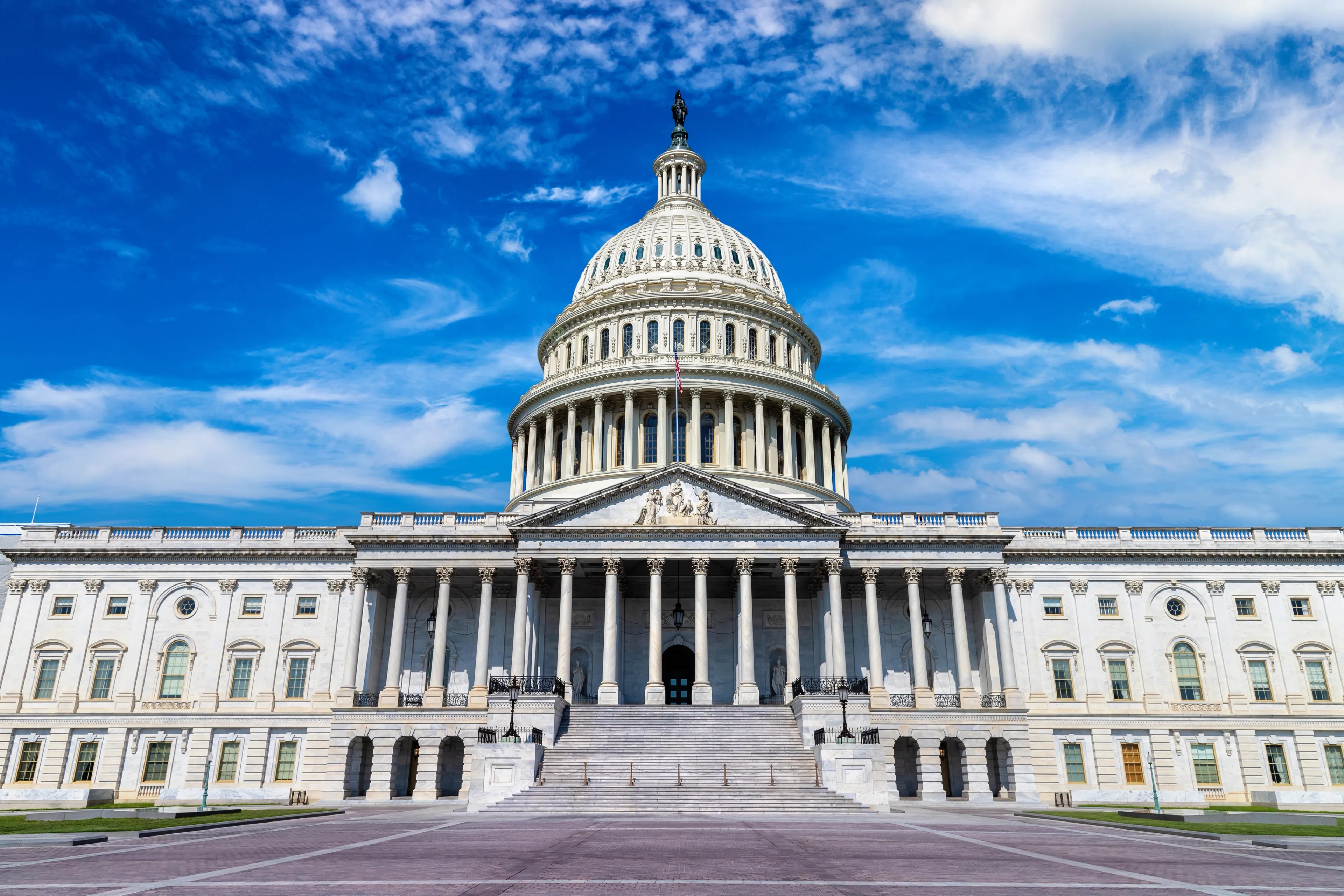
The US Clarity Act is moving forward in Congress, signaling a major step toward reshaping the regulation of digital assets. Lawmakers aim to provide a clearer framework for cryptocurrencies, stablecoins, and blockchain-based financial products. This legislation reflects growing recognition of the importance of digital assets in the modern economy and the need for comprehensive regulatory guidance.
Addressing Regulatory Uncertainty
For years, the cryptocurrency industry has faced ambiguity in regulatory oversight. The Clarity Act seeks to establish definitive rules regarding the classification of digital assets, investor protections, and compliance requirements. By clarifying legal frameworks, the Act aims to reduce uncertainty for businesses, investors, and financial institutions operating in the digital asset space.
Implications for Cryptocurrency Firms
The passage of the Clarity Act will likely have a profound impact on cryptocurrency companies operating in the United States. Firms may need to adjust business practices to comply with new requirements, ranging from reporting standards to licensing obligations. At the same time, clearer regulations could foster innovation and attract investment by providing a more predictable operating environment.
Investor Protections and Market Confidence
A key objective of the Clarity Act is to enhance investor protections in the cryptocurrency market. By defining standards for transparency, disclosures, and governance, the Act aims to boost market confidence. Investors could benefit from increased assurance that digital assets are subject to clear rules, reducing the risk of fraud or mismanagement.
Stablecoins and Financial Stability
The legislation also addresses the treatment of stablecoins, which are increasingly used in payments and financial transactions. Clear regulatory guidance will help ensure that stablecoins maintain adequate reserves and operational transparency. This approach seeks to balance innovation with the need to safeguard financial stability and protect consumers.
Compliance Requirements for Exchanges
Cryptocurrency exchanges and trading platforms are likely to face enhanced compliance obligations under the Clarity Act. Requirements may include registration, reporting, and anti-money laundering protocols. These measures aim to create a safer and more accountable trading environment while promoting broader adoption of regulated digital asset platforms.
Encouraging Innovation Through Legal Certainty
While the Act introduces regulatory oversight, it also encourages innovation by providing legal certainty. Companies can invest in new products and technologies without fear of ambiguous enforcement. This clarity may help the United States maintain a competitive position in the global blockchain and digital asset industry.
Industry and Government Collaboration
The development of the Clarity Act involved collaboration between lawmakers, regulatory agencies, and industry stakeholders. This cooperative approach seeks to balance innovation, investor protection, and systemic risk management. It reflects a recognition that effective regulation requires dialogue with the very companies shaping the digital asset ecosystem.
Potential Global Influence
The Clarity Act may also influence international digital asset regulation. As the United States establishes clearer frameworks, other countries could adopt similar approaches, contributing to the development of globally harmonized standards. This has implications for cross-border investment, blockchain technology adoption, and international market stability.
The advancement of the Clarity Act marks a significant milestone in the evolution of digital asset regulation in the United States. By providing clarity, enhancing investor protections, and fostering innovation, the legislation has the potential to reshape the cryptocurrency landscape. Market participants, investors, and regulators alike are closely monitoring the Act’s progress, recognizing its far-reaching impact on the future of digital finance.

Popular articles



Subscribe to unlock premium content
Imran Khan’s Economic Missteps Amid Political Chaos in Pakistan

The Philippines’ Digital Shift How Remittances and BPO Are Fueling Growth

Is the Era of Globalization Over or Just Evolving?

Imran Khan’s Economic Missteps Amid Political Chaos in Pakistan
The Philippines’ Digital Shift How Remittances and BPO Are Fueling Growth
Imran Khan’s Economic Missteps Amid Political Chaos in Pakistan