Brazil Moves to Enforce Daily Asset Proof Requirements for Crypto Exchanges

Brazil Moves to Enforce Daily Asset Proof Requirements for Crypto Exchanges
By
Augusta Parker
Last updated:
March 5, 2026
First Published:
April 25, 2026

A Major Regulatory Shift in Latin America
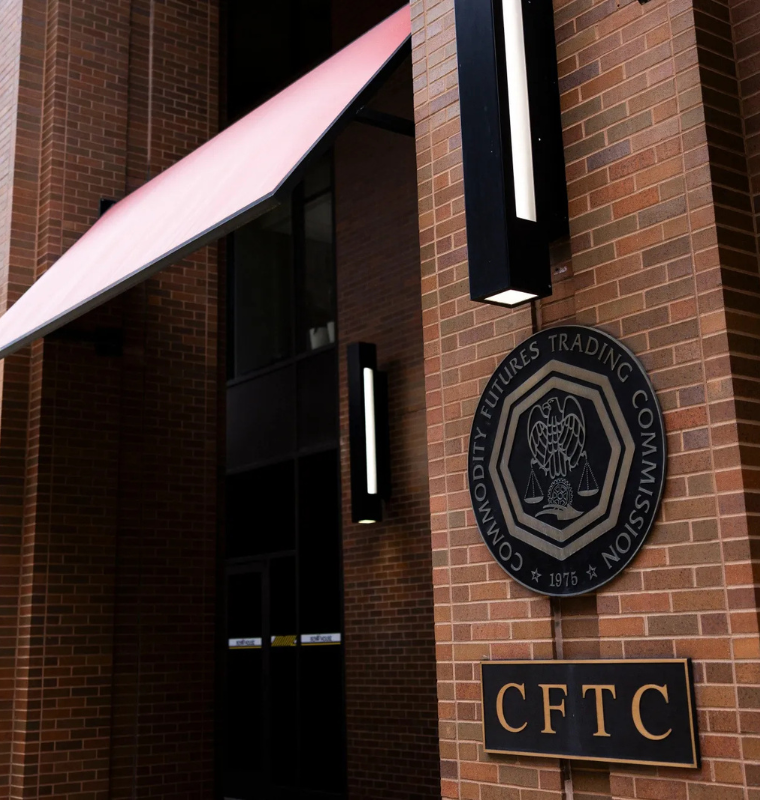
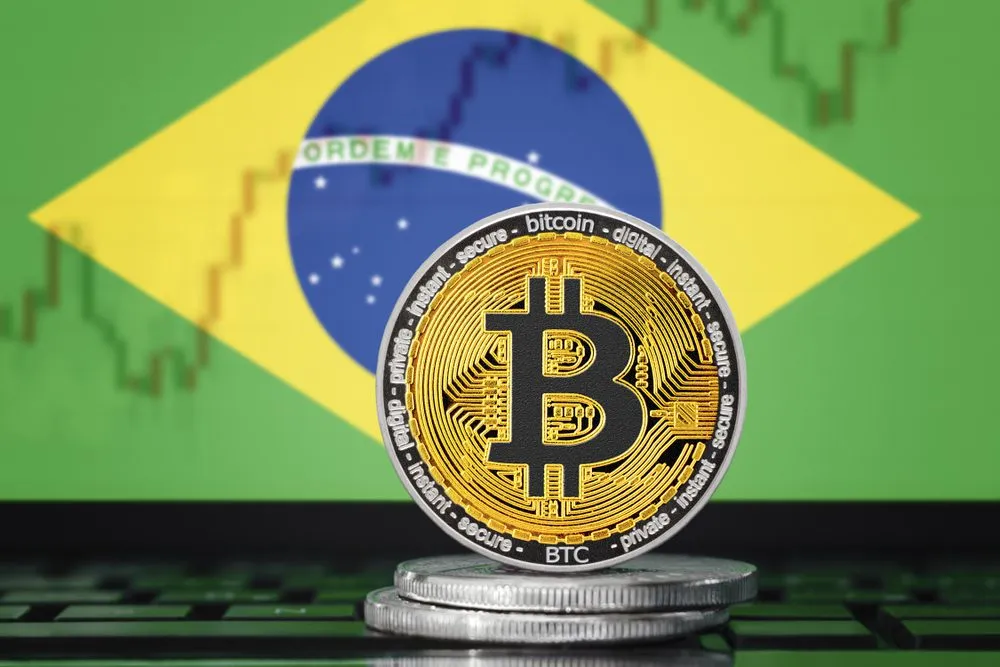
Brazil is taking a significant step toward strengthening oversight of cryptocurrency markets by introducing daily asset proof requirements for crypto exchanges operating within its jurisdiction. The move reflects the country’s growing determination to create a more transparent and accountable environment for digital asset trading. As cryptocurrency adoption expands across Latin America, regulators are increasingly focused on ensuring that exchanges maintain sufficient reserves to protect investors.
The proposed rules would require exchanges to regularly demonstrate that customer funds are fully backed by verifiable assets. By demanding daily proof of reserves, Brazilian authorities hope to reduce the risks associated with mismanagement of customer deposits and improve confidence in the digital asset ecosystem.
Understanding the Proof of Assets Requirement
Proof of assets or proof of reserves is a verification process that allows exchanges to demonstrate that they hold sufficient digital assets to match the balances recorded in customer accounts. This process typically involves cryptographic verification combined with transparent reporting practices that allow auditors and regulators to confirm the solvency of an exchange.
Brazil’s proposed regulation introduces a more frequent reporting requirement than many other jurisdictions. Instead of occasional audits or quarterly disclosures, exchanges would be expected to provide daily confirmation that customer assets remain fully backed. The objective is to eliminate uncertainty about whether trading platforms are operating responsibly with client funds.
Such a requirement could set a new benchmark for regulatory transparency in the global cryptocurrency industry.
Why Brazil Is Taking Action
Brazil has emerged as one of the most active cryptocurrency markets in Latin America. Millions of citizens have adopted digital assets as an alternative investment and a tool for cross border transactions. With increasing adoption comes the responsibility to ensure that trading platforms operate with strong financial safeguards.
Recent global events in the cryptocurrency sector have demonstrated how quickly investor confidence can be shaken when exchanges fail to maintain proper reserve management. Brazilian regulators have studied these incidents carefully and concluded that stronger oversight is necessary to prevent similar situations from affecting local investors.
By implementing strict transparency requirements, authorities aim to ensure that exchanges operating in Brazil maintain responsible financial practices.
Impact on Crypto Exchanges
For cryptocurrency exchanges, the new rules could significantly change operational procedures. Platforms would need to implement advanced reporting systems capable of verifying asset balances on a daily basis. This may require upgrades to internal accounting infrastructure and closer collaboration with independent auditors.
While some exchanges may initially view the requirement as burdensome, others see it as an opportunity to build credibility with both regulators and customers. Exchanges that can demonstrate consistent proof of reserves may gain a competitive advantage in attracting users who prioritize financial transparency.
Smaller platforms could face challenges meeting the technical and compliance demands of daily reporting, which may ultimately reshape the competitive landscape of the Brazilian crypto market.
Boosting Investor Confidence
One of the primary motivations behind Brazil’s regulatory move is the protection of investors. Cryptocurrency markets have historically been associated with high volatility and occasional platform failures that have left customers unable to access their funds.
By requiring daily proof of assets, regulators hope to create a stronger safety framework for individuals and institutions participating in digital asset trading. Investors would gain reassurance that exchanges are not engaging in risky practices such as lending customer funds without adequate collateral.
Improved transparency could also encourage new participants to enter the market, knowing that stronger safeguards are in place.
A Model for Global Regulation
Brazil’s initiative may influence how other governments approach cryptocurrency regulation. As digital asset markets expand globally, regulators are searching for effective strategies to balance innovation with investor protection.
Daily proof of reserves represents a proactive approach that emphasizes continuous transparency rather than periodic oversight. If successful, the Brazilian model could inspire similar policies in other regions seeking to strengthen trust in cryptocurrency markets.
Regulatory frameworks that emphasize accountability may ultimately help legitimize the industry in the eyes of traditional financial institutions.
Technology Enabling Regulatory Transparency
Implementing daily asset verification would not be possible without the technological capabilities provided by blockchain systems. Cryptographic tools allow exchanges to demonstrate asset ownership without revealing sensitive customer data.
This combination of transparency and privacy has become a central feature of modern digital finance. Regulators are increasingly recognizing that blockchain technology can support oversight mechanisms that are more efficient than traditional financial reporting methods.
Brazil’s regulatory approach reflects a growing understanding that technology itself can serve as a tool for accountability.
Institutional Investors Watching Closely
Institutional investors often evaluate regulatory environments before entering new markets. Clear and enforceable rules provide confidence that investments will be protected by reliable oversight.
Brazil’s effort to strengthen transparency may attract greater institutional interest in its digital asset sector. Asset managers and financial institutions typically prefer jurisdictions where regulatory expectations are well defined.
As the country positions itself as a leader in crypto oversight, it may benefit from increased participation by professional investors seeking stable and regulated environments.
Balancing Innovation With Responsibility
While stricter regulations can improve market integrity, they must also be designed carefully to avoid stifling innovation. Cryptocurrency technology evolves rapidly, and overly restrictive rules can discourage startups from developing new services.
Brazilian authorities have emphasized that their goal is not to limit innovation but to ensure responsible growth of the digital asset ecosystem. By focusing on transparency and financial accountability, regulators hope to create an environment where both investors and technology companies can thrive.
Finding this balance will be essential as the cryptocurrency industry continues to mature.
A Defining Moment for Brazil’s Crypto Market
Brazil’s decision to require daily proof of assets marks an important milestone in the evolution of cryptocurrency regulation. The initiative reflects a broader global shift toward stronger oversight and higher transparency standards in digital finance.
For exchanges operating in the region, the new rules may require operational adjustments. For investors, however, the policy represents a step toward a safer and more trustworthy marketplace.
As digital assets become increasingly integrated into the global financial system, regulatory frameworks like the one emerging in Brazil could play a decisive role in shaping the future of cryptocurrency markets.
Popular articles



Subscribe to unlock premium content
Imran Khan’s Economic Missteps Amid Political Chaos in Pakistan
The Philippines’ Digital Shift How Remittances and BPO Are Fueling Growth

Is the Era of Globalization Over or Just Evolving?
Imran Khan’s Economic Missteps Amid Political Chaos in Pakistan
The Philippines’ Digital Shift How Remittances and BPO Are Fueling Growth
Imran Khan’s Economic Missteps Amid Political Chaos in Pakistan