Bitcoin Price Prediction Gains Momentum as Analyst Says BTC Could Reach $100,000 in 2026

Bitcoin Price Prediction Gains Momentum as Analyst Says BTC Could Reach $100,000 in 2026
By
David Goldfarb
Last updated:
February 3, 2026
First Published:
February 3, 2026

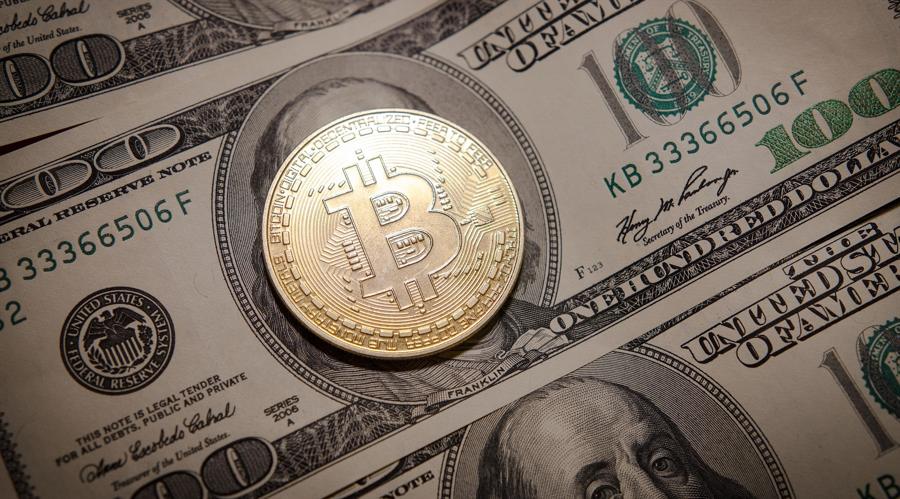
Photo: Finance Magnates
In a year that has challenged even the most seasoned cryptocurrency investors, a renewed wave of optimism has emerged around Bitcoin. Despite a prolonged downturn that saw BTC prices retreat sharply from previous record highs, a growing number of analysts and market strategists are projecting a potential rally that could see Bitcoin climb back to the six figure territory by the end of 2026.
The renewed bullish sentiment comes amid a backdrop of heightened volatility across global markets. Bitcoin, long touted as the flagship digital asset and a hedge against traditional financial uncertainty, has faced intense selling pressure alongside equities and other risk assets. In recent trading sessions, BTC price has dipped toward levels not seen for months, frustrating traders and long‑term holders who had pinned their hopes on a swift recovery.
Amid this challenging environment, some analysts argue that the structural fundamentals of Bitcoin remain intact and that the current price weakness presents a compelling buying opportunity. One prominent forecast suggests that Bitcoin could rebound to $100,000 by the end of 2026. This projection is centered on the belief that macroeconomic conditions, institutional demand and broader adoption catalysts will eventually outweigh near‑term selling pressure and uncertainty.
Proponents of this outlook point to several key factors. First, the inherent scarcity of Bitcoin, capped at a maximum supply of 21 million tokens, continues to attract investors looking for a deflationary store of value. This is similar to the narrative often applied to precious metals, yet BTC’s digital nature lends it greater portability and divisibility. With supply tightening as more holders choose to stack rather than spend, markets could see upward pressure on price once demand resumes.
Another pillar supporting the $100,000 forecast is the expectation of renewed liquidity entering both traditional and crypto markets. Central banks around the world have been navigating complex policy decisions, balancing inflation risks with growth concerns. If these institutions lean toward looser monetary policy over the course of the year, excess liquidity may find its way into alternative assets such as Bitcoin.
Institutional adoption also plays a significant role in bullish forecasts. Large financial institutions and asset managers have increasingly integrated Bitcoin into diversified portfolios, offering clients exposure through regulated investment vehicles and over‑the‑counter arrangements. While flows have been uneven and at times constrained by market risk, this growing institutional interest could provide a stabilizing influence on price action as longer time horizons become more common among major holders.
At the same time, technical analysis is cited as a reason for potential optimism. Some market experts note that Bitcoin’s price charts are showing signs of establishing key support levels that could act as platforms for future rallies. If these technical patterns hold, they may signal a transition from a corrective phase to a renewed bullish cycle. Market sentiment indicators and on‑chain data, such as long‑term holder accumulation and decreasing exchange balances, are also closely watched for clues on possible trend shifts.
Despite these positive signals, the path to six figure prices is neither guaranteed nor smooth. Critics of the $100,000 forecast emphasize persistent headwinds. Bitcoin continues to trade well below recent peaks, and macroeconomic uncertainties, including interest rate policy and geopolitical tension, could confound investor confidence. In addition, retail participation remains subdued compared to previous cycles, suggesting that broad‑based enthusiasm is not yet fully rekindled.
Moreover, alternative forecasts paint a wide range for Bitcoin’s potential outcomes, from scenarios that see prices lingering at lower levels to those that envision even more dramatic rallies. This diversity in projections reflects the inherent volatility of cryptocurrency markets and the influence of both quantitative models and qualitative narratives on price expectations.
In the midst of these debates, investors are encouraged to approach Bitcoin with a balanced understanding of both risk and opportunity. For long‑term holders and strategic allocators, a price target of $100,000 represents a meaningful milestone that aligns with broader adoption themes. For traders and risk‑averse participants, careful attention to market structure and liquidity conditions remains essential.
Ultimately, Bitcoin’s journey through 2026 will likely be shaped by a complex interplay of economic trends, market psychology and evolving institutional engagement. Whether the $100,000 forecast materializes or not, the discussion itself highlights the resilience of Bitcoin’s narrative and the enduring interest in its potential as a cornerstone asset in the evolving financial landscape.

Popular articles



Subscribe to unlock premium content
Disney’s Timeless Magic and How the Entertainment Giant Continues to Shape Culture and Innovation

Imran Khan’s Economic Missteps Amid Political Chaos in Pakistan

The Philippines’ Digital Shift How Remittances and BPO Are Fueling Growth

Disney’s Timeless Magic and How the Entertainment Giant Continues to Shape Culture and Innovation
Imran Khan’s Economic Missteps Amid Political Chaos in Pakistan
Disney’s Timeless Magic and How the Entertainment Giant Continues to Shape Culture and Innovation