Bitcoin Erases Post-Election Gains As Price Falls to Levels Last Seen After Trump Victory

Bitcoin Erases Post-Election Gains As Price Falls to Levels Last Seen After Trump Victory
By
Junia Wells
Last updated:
February 3, 2026
First Published:
February 3, 2026


Photo: CNN
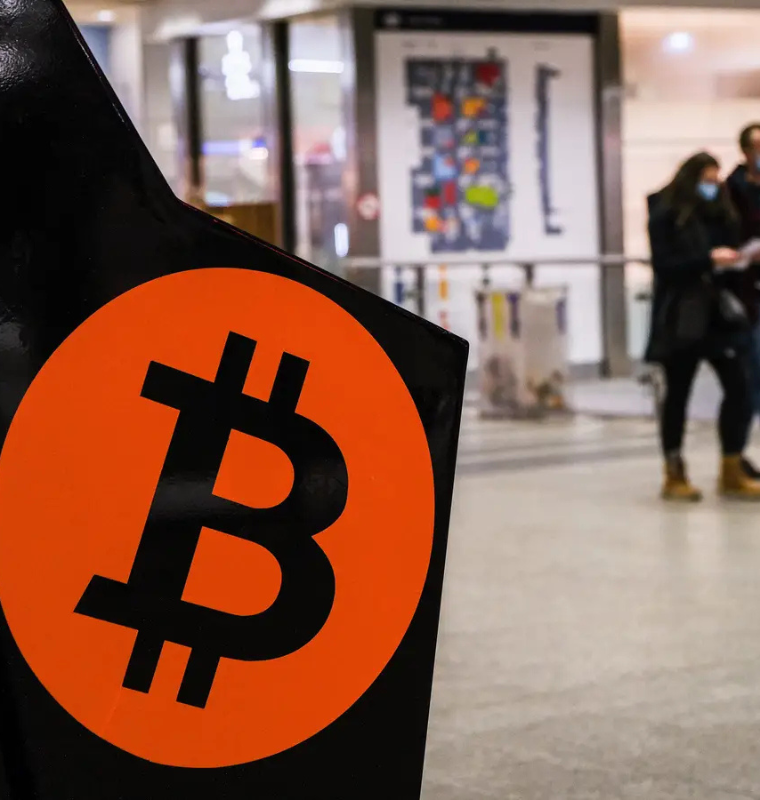
Bitcoin, the world’s largest cryptocurrency by market capitalization, recently slid to its lowest price level since shortly after the 2024 United States presidential election. This dramatic drop wiped out much of the gains accumulated during the post‑election rally and sparked fresh anxiety among investors and traders worldwide.
The price slide unfolded over several trading sessions as Bitcoin dipped briefly below $74,000 in New York trading, a level not seen since the period before Donald Trump assumed office. Later in Asia, prices recovered slightly but remained substantially weaker compared to recent months.
This renewed weakness comes after an extended stretch of negative price action. Bitcoin has been in a multi‑month downtrend, losing ground almost continuously over the past four months and reversing a significant portion of the gains it captured when optimism surged around pro‑crypto government policies.
The backdrop to this decline is broader risk‑off sentiment in global financial markets. Investors have fled from high‑beta assets in response to macroeconomic uncertainty, geopolitical tensions, and tightening financial conditions. This shift has pressured risk appetite and liquidity, and Bitcoin has behaved more like a speculative asset than a shield against volatility.
Technical traders noted that key psychological price levels broke under selling pressure, encouraging further downside momentum. Levels near $75,000 had previously acted as support, but when those levels gave way, it triggered stop orders and additional downside. This type of technical cascade often intensifies sell‑offs and leads to sharper declines before markets find new footing.
Liquidation data highlights the intensity of the recent sell‑off. In just a short period, hundreds of millions of dollars in leveraged Bitcoin positions were unwound as prices plunged. This forced selling amplified downward pressure and drew increased attention to systemic vulnerabilities among overly‑leveraged traders.
Market commentators also cited shifting investor confidence. Early hopes that regulatory clarity and legislative support could fuel a sustained crypto rally have dimmed as policy actions failed to deliver immediate market boosts. While some legislative frameworks have advanced and discussions continue, investors appear increasingly focused on near‑term economic data and interest rate expectations.
The impact of this decline isn’t isolated to Bitcoin alone. The weakness has rippled through broader cryptocurrency markets, with major altcoins also posting sharp losses. Ethereum, Solana, and other tokens extended declines during the same period, reflecting an overall deterioration in crypto market sentiment that aligns with wider digital asset risk-off dynamics.
Institutional and retail reactions have diverged as the slide deepened. Some institutional investors have used the dip to accumulate Bitcoin and other crypto assets in anticipation of a future recovery, while retail participants have shown signs of fatigue, with reduced participation and a more defensive stance toward risk assets.
Looking forward, analysts are monitoring key technical support zones below current levels. Breaking below these points could invite additional volatility and test investor conviction further. Conversely, stabilization around these levels could encourage renewed buying interest and diminish downside momentum.
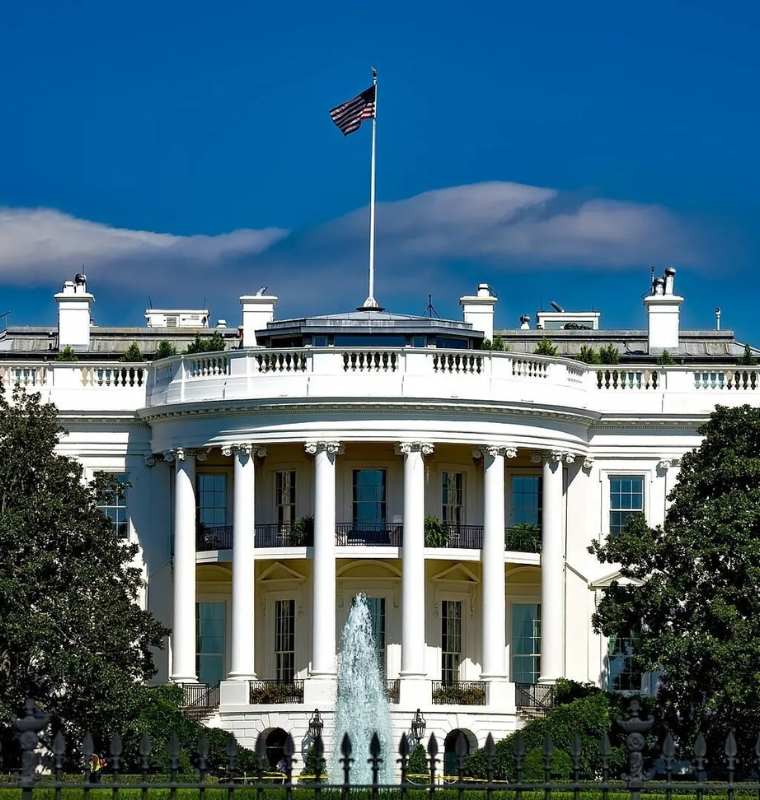
Bitcoin’s sudden fall to a price level last seen after Trump’s election victory captures the fragility and dynamism of the current crypto market environment. It underlines how macroeconomic forces, investor psychology, and technical market structures interconnect to shape price outcomes. As the cryptocurrency landscape continues to evolve, understanding these interplays will be central for both new and seasoned market participants navigating future cycles.
Popular articles



Subscribe to unlock premium content
Disney’s Timeless Magic and How the Entertainment Giant Continues to Shape Culture and Innovation

Imran Khan’s Economic Missteps Amid Political Chaos in Pakistan

The Philippines’ Digital Shift How Remittances and BPO Are Fueling Growth

Disney’s Timeless Magic and How the Entertainment Giant Continues to Shape Culture and Innovation
Imran Khan’s Economic Missteps Amid Political Chaos in Pakistan
Disney’s Timeless Magic and How the Entertainment Giant Continues to Shape Culture and Innovation