
Binance, PayPal, and Ripple Join Mastercard Initiative to Expand Blockchain Payments

Binance, PayPal, and Ripple Join Mastercard Initiative to Expand Blockchain Payments
By
Leah Rosenfeld
Last updated:
March 11, 2026
First Published:
April 25, 2026

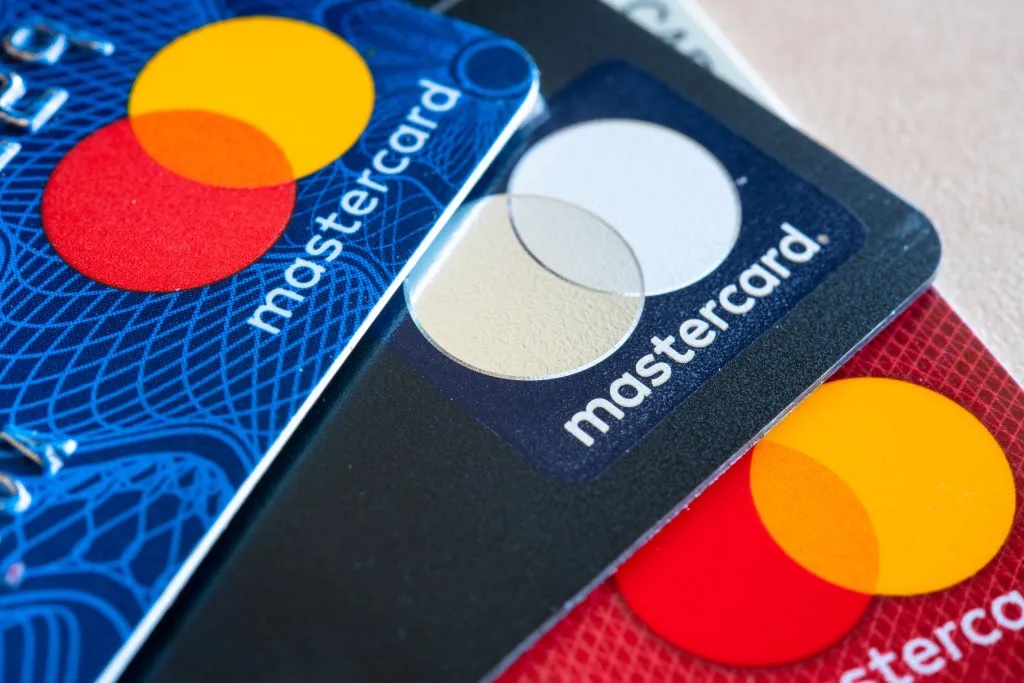
Photo: Financa
A New Era for Digital Payments
The world of digital payments is undergoing a transformative phase as major companies including Binance, PayPal, and Ripple have partnered with Mastercard to launch an initiative aimed at expanding blockchain based payment solutions. This collaboration brings together traditional financial infrastructure, leading cryptocurrency platforms, and blockchain innovators to create a more seamless and accessible system for global transactions. The move highlights the growing acceptance of digital assets in mainstream finance and reflects a shift toward hybrid financial models that combine blockchain technology with established payment networks.
The Scope of the Initiative
The initiative focuses on developing infrastructure and services that allow merchants and consumers to transact using blockchain enabled digital currencies. By leveraging Mastercard’s global network and the capabilities of blockchain platforms, the project aims to simplify cross border payments, reduce transaction costs, and increase processing speed. Consumers could soon benefit from easier access to cryptocurrencies for daily transactions, while businesses may gain new opportunities for international commerce.
Binance’s Role in the Collaboration
Binance, one of the world’s largest cryptocurrency exchanges, will provide liquidity and infrastructure support for the project. By connecting its digital asset ecosystem to Mastercard’s network, Binance enables users to seamlessly convert cryptocurrencies into fiat for purchases or to store value in digital wallets. This integration represents an important step for Binance as it seeks to bridge the gap between decentralized finance and traditional payment systems.
PayPal’s Contribution and Consumer Adoption
PayPal brings a large user base and experience in consumer payment solutions. The company has previously allowed users to buy, hold, and sell cryptocurrencies through its platform. With this initiative, PayPal plans to enhance accessibility by enabling cryptocurrency payments at a broader range of merchants. This step is likely to increase everyday adoption of digital assets and further normalize their use in conventional retail environments.
Ripple and the Future of Cross Border Payments
Ripple’s blockchain technology specializes in facilitating fast and low cost cross border transactions. By participating in the Mastercard initiative, Ripple will contribute its expertise to streamline international payments using digital assets. This could reduce reliance on traditional banking intermediaries, improve transaction speed, and increase transparency in cross border financial flows. Ripple’s involvement strengthens the initiative’s potential to revolutionize how money moves across borders.
Impact on the Financial Industry
The collaboration between these companies reflects a broader trend in the financial industry, where traditional players are increasingly embracing blockchain technologies. As digital currencies gain legitimacy and acceptance, financial institutions are recognizing the value of integrating innovative payment solutions into their services. This initiative could serve as a blueprint for other collaborations between conventional finance and blockchain ecosystems.
Benefits for Merchants and Businesses
Merchants stand to benefit from faster and more secure payment processing, as well as access to a global customer base willing to transact in digital assets. By accepting blockchain payments, businesses may reduce transaction fees associated with credit cards and international transfers. Additionally, the transparency of blockchain networks can improve record keeping and reduce the risk of fraud or chargebacks, providing added operational efficiency.
Challenges and Considerations
Despite the potential benefits, integrating blockchain payments with traditional networks presents technical and regulatory challenges. Ensuring compliance with financial regulations across multiple jurisdictions, maintaining network security, and addressing scalability issues are critical factors. The initiative will need to address these challenges carefully to ensure a smooth experience for users and maintain trust in the system.
Global Implications of the Initiative
The collaboration highlights how global companies are working together to make blockchain technology a practical tool for everyday financial activity. As more consumers and businesses gain exposure to digital assets through mainstream platforms, the initiative may accelerate global adoption and set a precedent for future blockchain payment solutions. Countries with advanced payment infrastructure may see faster integration, while emerging markets could benefit from more inclusive financial services.
The Road Ahead
As the Mastercard initiative develops, analysts are closely monitoring its impact on the adoption of blockchain payments. The combined expertise of Binance, PayPal, Ripple, and Mastercard positions the project to achieve meaningful results in both consumer and business financial services. Over time, the initiative could reshape global payment networks, making digital assets a routine part of everyday transactions and reinforcing the broader growth of the cryptocurrency ecosystem.

Popular articles



Subscribe to unlock premium content
Imran Khan’s Economic Missteps Amid Political Chaos in Pakistan

The Philippines’ Digital Shift How Remittances and BPO Are Fueling Growth

Is the Era of Globalization Over or Just Evolving?
Imran Khan’s Economic Missteps Amid Political Chaos in Pakistan
The Philippines’ Digital Shift How Remittances and BPO Are Fueling Growth
Imran Khan’s Economic Missteps Amid Political Chaos in Pakistan