$280 Million Exploit Forces Drift Protocol to Halt Operations in Major DeFi Security Breach

$280 Million Exploit Forces Drift Protocol to Halt Operations in Major DeFi Security Breach
By
David Goldfarb
Last updated:
April 8, 2026
First Published:
April 25, 2026

A Significant Security Breach Rocks the DeFi Space
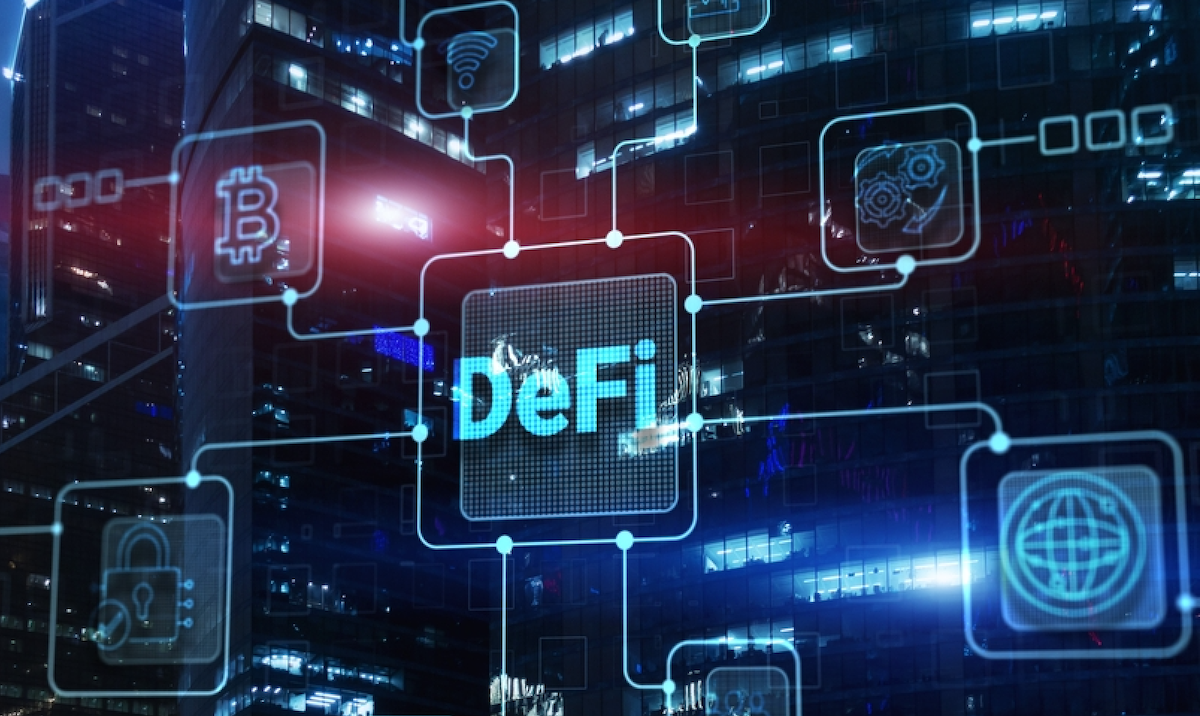
In one of the most severe decentralized finance incidents this year, Drift Protocol has temporarily suspended operations following an exploit that resulted in the loss of approximately 280 million dollars in digital assets. The breach underscores the ongoing challenges of securing complex smart contract systems, even as DeFi continues to grow in prominence and adoption.
Understanding the Exploit and Its Mechanism
Preliminary investigations suggest that the attacker exploited vulnerabilities in Drift Protocol’s smart contracts, allowing unauthorized access to substantial funds. While the technical details are still being analyzed, this incident highlights the high stakes involved in DeFi, where code functions as both governance and operational infrastructure, leaving no room for conventional security measures.
Immediate Impact on Users and Liquidity
The halt in operations has caused widespread disruption for users relying on the platform for trading, lending, and staking activities. Liquidity providers and traders are facing temporary restrictions, emphasizing the importance of risk management strategies and diversified exposure in decentralized finance investments.
Broader Implications for the DeFi Ecosystem
Security breaches of this magnitude resonate across the broader DeFi sector. Investors may become more cautious, particularly when engaging with newer protocols or those lacking robust audit histories. The event may also influence the adoption rate of insurance and risk mitigation tools designed to protect digital assets in the DeFi environment.
Response from the Development Team
Drift Protocol’s developers have committed to a comprehensive investigation and remediation plan. Efforts include reviewing smart contract vulnerabilities, implementing patches, and coordinating with cybersecurity experts to prevent similar incidents. Transparent communication with the community is essential to maintain confidence during this crisis.
Regulatory and Market Repercussions
Incidents like this often draw regulatory attention, as authorities scrutinize the stability and safety of decentralized financial markets. While regulation can provide protective frameworks, it also raises questions about balancing innovation with security, particularly in systems designed to operate without centralized oversight.
Investor Sentiment and Market Reaction
The immediate market reaction included volatility in tokens associated with Drift Protocol and related DeFi platforms. While short term sentiment may be negative, the incident could also catalyze stronger security practices across the industry, reinforcing the importance of auditing, testing, and formal verification.
Lessons in DeFi Risk Management
This exploit serves as a stark reminder that technological innovation comes with inherent risks. Investors and developers alike must prioritize security and adopt robust measures to safeguard funds. Diversification, careful platform selection, and awareness of smart contract mechanics are critical for mitigating exposure.
The Role of Insurance and Community Oversight
As DeFi grows, insurance protocols and community governance structures are becoming increasingly relevant. Effective decentralized oversight and protective mechanisms can limit losses and maintain trust, demonstrating the need for a comprehensive approach to ecosystem resilience.
Looking Ahead for Drift Protocol and DeFi Security
While the exploit represents a setback, it also presents an opportunity for improvement. The steps taken to strengthen security could set new industry benchmarks and reinforce the credibility of decentralized finance. Long term, the ecosystem is likely to emerge more resilient, provided lessons from incidents like this are effectively incorporated.
Popular articles



Subscribe to unlock premium content
Imran Khan’s Economic Missteps Amid Political Chaos in Pakistan
The Philippines’ Digital Shift How Remittances and BPO Are Fueling Growth

Is the Era of Globalization Over or Just Evolving?
Imran Khan’s Economic Missteps Amid Political Chaos in Pakistan
The Philippines’ Digital Shift How Remittances and BPO Are Fueling Growth
Imran Khan’s Economic Missteps Amid Political Chaos in Pakistan