XRP Exchange Balances Fall to an Eight Year Low
By
David Goldfarb
Last updated:
January 1, 2026
First Published:
January 1, 2026

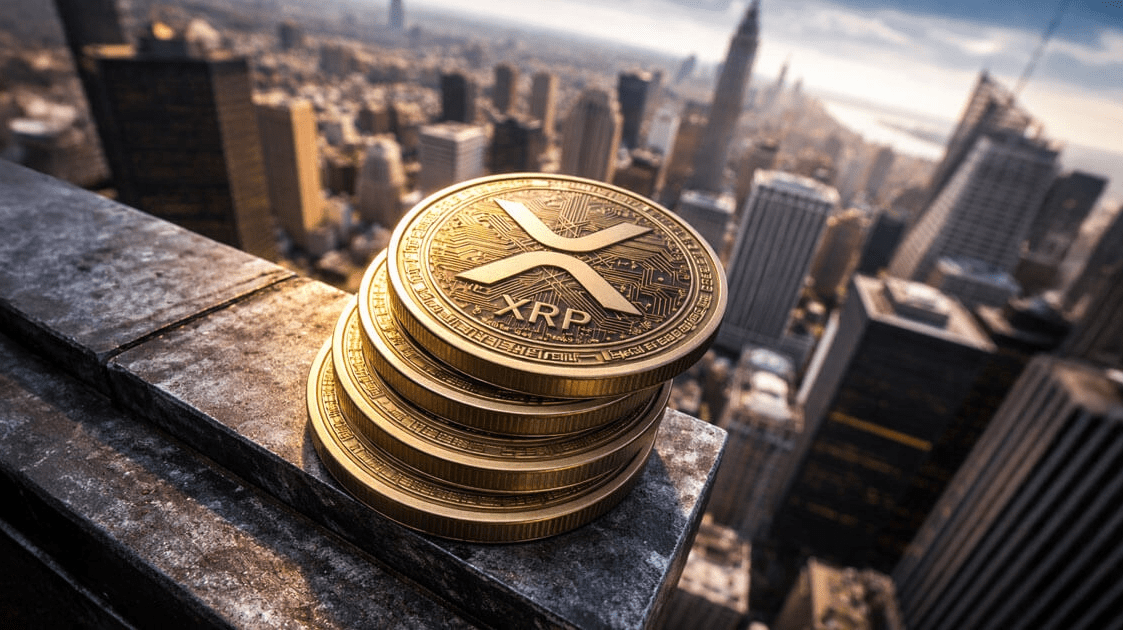
Photo: Binance
A Quiet Shift with Major Implications
As 2025 progressed one of the most significant developments around XRP did not come from price action but from supply movement. Data showed that the amount of XRP held on centralized exchanges dropped to levels not seen in nearly eight years. This change signaled a deeper structural shift in how investors are positioning themselves around the asset and how liquidity is forming across the market.
What Exchange Supply Really Represents
Exchange balances are often used as a proxy for selling intent. Tokens held on exchanges are generally considered more liquid and easier to sell during periods of volatility. When exchange supply declines it suggests that holders are moving assets into private wallets custody solutions or long term storage. In the case of XRP this trend accelerated throughout the year.
Long Term Holding Replaces Short Term Trading
The sustained outflow of XRP from exchanges points to a behavioral change among holders. Rather than actively trading price swings many investors appear to be positioning for longer time horizons. This approach reflects growing confidence in XRP’s role within cross border payments and enterprise level financial infrastructure rather than speculative momentum alone.
Regulatory Clarity Strengthens Holder Confidence
One major driver behind this trend has been improved regulatory certainty. As legal and compliance risks surrounding XRP eased institutional and high net worth holders became more comfortable holding assets off exchange. Reduced fear of sudden delistings or liquidity freezes encouraged self custody and strategic accumulation.
Liquidity Tightening Alters Market Dynamics
While lower exchange supply can be interpreted as bullish it also introduces complexity. Reduced liquidity means that price movements can become sharper in both directions. Smaller inflows or outflows now have a greater impact on market pricing which increases volatility during periods of heightened demand or sudden news events.
Why Price Did Not Immediately Follow Supply Trends
Despite the declining exchange balance XRP did not experience an immediate or sustained price breakout. This disconnect challenged simplistic assumptions that lower supply automatically leads to higher prices. Broader market conditions capital rotation and macroeconomic pressures continued to influence valuation more than isolated on chain metrics.
Institutional Strategy Becomes More Nuanced
Large holders approached XRP with greater sophistication. Rather than chasing price appreciation institutions focused on utility driven exposure settlement volume partnerships and long term adoption metrics. Moving XRP off exchanges aligned with internal custody requirements and reduced counterparty risk.
Retail Investors Adapt to a Maturing Market
Retail participants also adjusted behavior. Increased education around self custody and asset control contributed to the migration away from centralized platforms. This shift reduced impulsive selling and fostered a more patient investor base that reacts less to short term market noise.
Potential Risks of Reduced Exchange Presence
Lower exchange balances are not without drawbacks. Reduced liquidity can amplify downside moves during panic events. It can also make it harder for new investors to enter positions at scale without influencing price. These factors introduce a different risk profile than earlier years when exchange supply was abundant.
A Signal of Structural Evolution Rather Than Hype
The eight year low in XRP exchange supply reflects maturation rather than speculation. It suggests a market transitioning from rapid turnover to strategic holding. This evolution aligns with XRP’s broader positioning as infrastructure rather than a purely speculative asset.
Looking Ahead for XRP Market Structure
If exchange balances remain low future price discovery will depend heavily on demand shocks adoption milestones and macro liquidity conditions. XRP’s trajectory will likely be shaped less by hype cycles and more by real world integration and sustained usage.

Popular articles



Subscribe to unlock premium content
Disney’s Timeless Magic and How the Entertainment Giant Continues to Shape Culture and Innovation

Imran Khan’s Economic Missteps Amid Political Chaos in Pakistan

The Philippines’ Digital Shift How Remittances and BPO Are Fueling Growth

Disney’s Timeless Magic and How the Entertainment Giant Continues to Shape Culture and Innovation
Imran Khan’s Economic Missteps Amid Political Chaos in Pakistan
Disney’s Timeless Magic and How the Entertainment Giant Continues to Shape Culture and Innovation