India’s 2026 Budget Sparks Calls for Cryptocurrency Tax Reform

India’s 2026 Budget Sparks Calls for Cryptocurrency Tax Reform
By
Alina Sinclair
Last updated:
January 14, 2026
First Published:
April 25, 2026

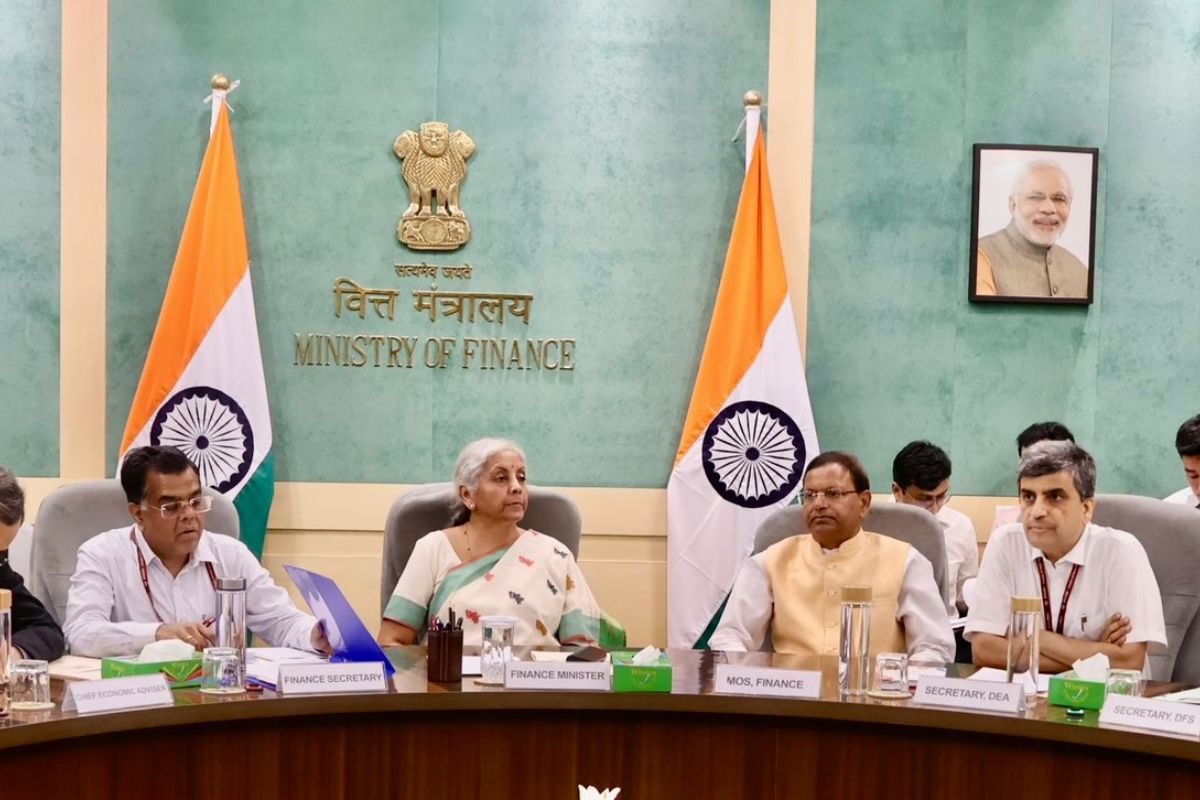
Photo: The Statesman
As India prepares for its 2026 budget, the cryptocurrency industry is closely watching for changes to tax policies affecting digital assets. Current regulations have created uncertainty for investors, traders, and blockchain entrepreneurs. Industry experts are calling for a recalibration that balances revenue generation with sustainable growth in the sector.
Current Cryptocurrency Tax Framework
At present, India imposes taxation on digital asset gains at fixed rates regardless of investment duration. Additionally, platforms are required to withhold a percentage on transactions as a form of tax advance. While these measures aim to capture government revenue, critics argue they can stifle investment and innovation.
Calls for More Flexible Taxation
Analysts suggest that revising the tax framework could encourage responsible participation in crypto markets. Flexible approaches might include differentiating between long term and short term holdings or introducing incentives for blockchain based startups. The goal is to create a system that supports growth while maintaining fairness and transparency.
Impact on Retail Investors
Retail participants are often most affected by rigid tax structures. High flat taxes can reduce the attractiveness of digital assets and discourage small scale investors. Adjusting policies could increase participation, boost liquidity, and create a more stable investor base.
Institutional Adoption and Tax Clarity
Institutional investors often require clear and predictable taxation before committing capital. Pension funds, asset managers, and banks may hesitate in a market with opaque or punitive tax policies. A well structured framework could unlock institutional engagement, bringing significant new liquidity and credibility to the sector.
Encouraging Blockchain Innovation
A balanced tax regime is critical for nurturing blockchain startups. Excessive taxation on token issuance or trading profits can divert talent and capital abroad. Incentives for research and development or operational support could strengthen India’s position as a hub for blockchain innovation.
Global Comparison and Competitiveness
Countries around the world are experimenting with tax policies to attract crypto investment. Some offer tax holidays or capital gains exemptions to stimulate growth. India’s decisions in the 2026 budget will influence its ability to compete globally for both investment and technological talent.
Economic and Revenue Considerations
While reforms are necessary for growth, the government must still secure adequate revenue. Analysts advocate for policies that balance investor incentives with fiscal responsibility. Strategic taxation can generate sustainable revenue without discouraging participation or innovation.
Potential Long Term Market Effects
Recalibrating cryptocurrency taxes could strengthen the market by fostering transparency, attracting investors, and supporting enterprise development. Over time, these measures may lead to a more vibrant and resilient digital asset ecosystem in India.
Conclusion on Policy Outlook
The 2026 budget represents an opportunity to realign India’s cryptocurrency tax framework with global best practices. Effective reform could signal confidence in digital assets, enhance investor trust, and promote technological innovation. The final approach will have lasting consequences for the country’s position in the global crypto market.

Popular articles



Subscribe to unlock premium content
Imran Khan’s Economic Missteps Amid Political Chaos in Pakistan

The Philippines’ Digital Shift How Remittances and BPO Are Fueling Growth

Is the Era of Globalization Over or Just Evolving?

Imran Khan’s Economic Missteps Amid Political Chaos in Pakistan
The Philippines’ Digital Shift How Remittances and BPO Are Fueling Growth
Imran Khan’s Economic Missteps Amid Political Chaos in Pakistan