
Wall Street Accelerates Crypto Adoption as Banks Expand Digital Asset Services

Wall Street Accelerates Crypto Adoption as Banks Expand Digital Asset Services
By
Rachel Steinberg
Last updated:
June 14, 2026
First Published:
June 14, 2026

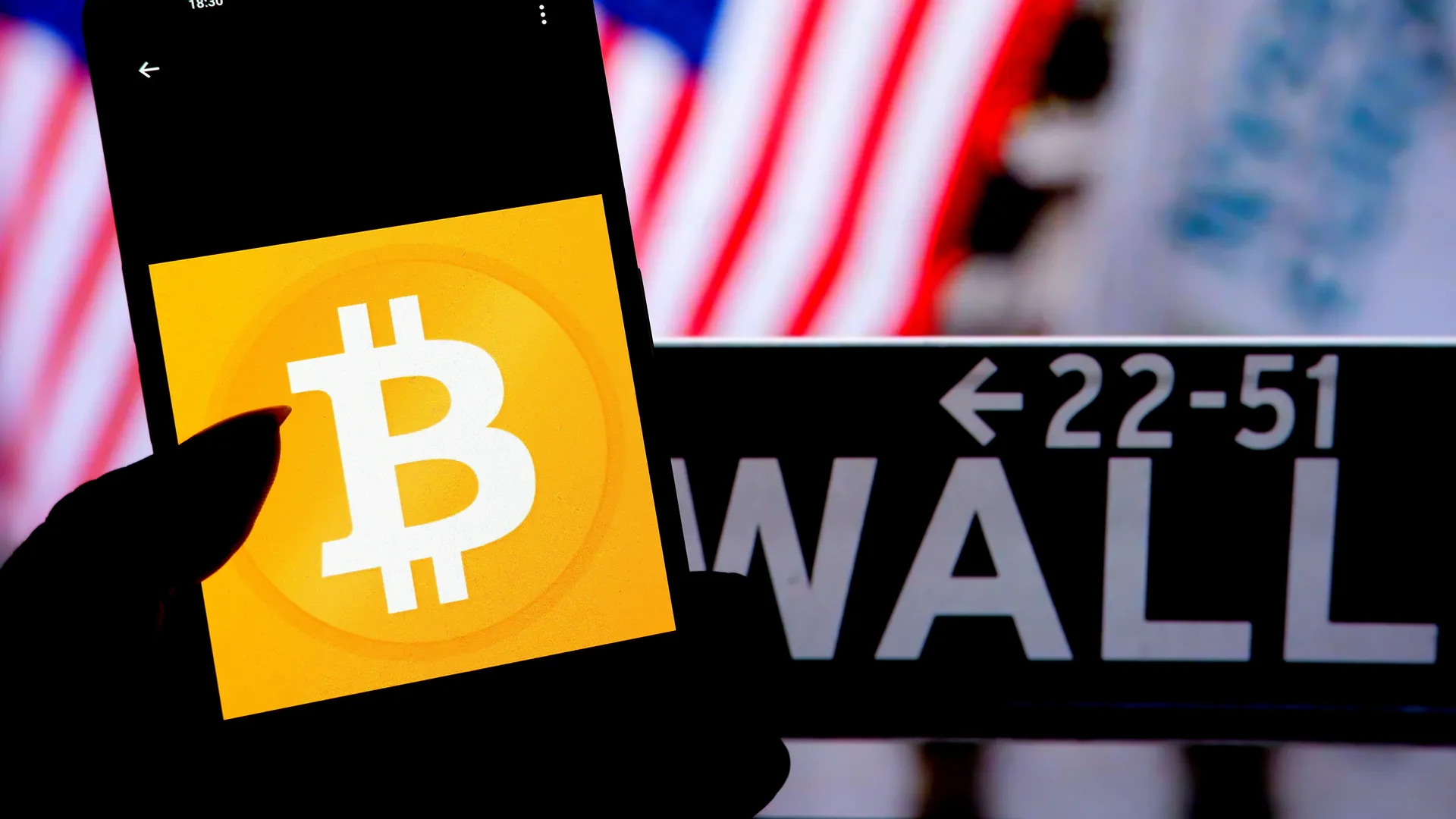
Photo: Axios
The relationship between traditional finance and cryptocurrency has entered a new stage of development as major Wall Street institutions continue expanding their digital asset offerings. What was once viewed as a highly speculative and experimental sector is increasingly becoming an important component of the modern financial system. Large banks, investment firms, and financial service providers are no longer standing on the sidelines. Instead, they are actively investing in infrastructure, launching new products, and creating services designed to meet growing client demand for cryptocurrency exposure.
This transformation represents one of the most significant developments in the financial industry during the past decade. Cryptocurrency has evolved from a niche technological experiment into an asset class that commands attention from some of the world's most influential financial organizations. The latest wave of institutional adoption suggests that digital assets are becoming a permanent part of the global investment landscape.
The Changing Attitude of Wall Street
Only a few years ago, many traditional financial institutions approached cryptocurrency with skepticism. Concerns about volatility, regulatory uncertainty, security risks, and market maturity caused numerous banks and investment firms to remain cautious.
Today, the conversation has changed dramatically. Instead of questioning whether digital assets belong within the financial system, institutions are increasingly focused on how they can participate effectively.
This shift reflects a growing recognition that cryptocurrencies have demonstrated remarkable resilience despite periods of market turbulence. Bitcoin, Ethereum, and other digital assets have survived multiple market cycles while continuing to attract investors, developers, and businesses around the world.
The sustained growth of the industry has made it increasingly difficult for traditional financial firms to ignore.
Rising Demand From Investors
One of the primary drivers behind institutional adoption is client demand. Wealthy individuals, family offices, hedge funds, and even retirement focused investors are seeking access to digital assets as part of diversified investment strategies.
Financial institutions exist to serve their clients, and as interest in cryptocurrency continues expanding, banks have been compelled to develop products that address this demand.
Investors are no longer viewing cryptocurrency solely as a speculative asset. Many now consider digital assets as potential long term stores of value, inflation hedges, technological growth opportunities, and portfolio diversification tools.
As demand increases, financial institutions are responding by expanding their range of services.
Banks Are Building Comprehensive Crypto Platforms
Rather than offering limited exposure, many financial institutions are creating comprehensive digital asset ecosystems.
These services often include cryptocurrency custody, trading capabilities, portfolio management solutions, research reports, wealth advisory services, and institutional grade security infrastructure.
The goal is to provide clients with a seamless experience that integrates digital assets into existing financial relationships.
This approach allows investors to access cryptocurrency through familiar institutions while benefiting from professional oversight, compliance frameworks, and established operational standards.
The expansion of these services demonstrates how seriously traditional finance is approaching the digital asset sector.
Institutional Trust Strengthens the Market
Trust remains one of the most valuable assets in finance. Large financial institutions have spent decades building reputations based on security, reliability, and regulatory compliance.
As these organizations enter the cryptocurrency space, they bring credibility that can encourage broader participation from investors who may have previously been hesitant.
Institutional involvement often reassures market participants that digital assets are moving toward greater maturity and stability.
While volatility remains a characteristic of cryptocurrency markets, growing institutional participation contributes to the perception that the sector is becoming more professional and established.
This confidence can attract additional capital and support long term growth.
The Role of Regulatory Progress
Regulatory clarity has played a major role in accelerating institutional adoption.
Financial institutions typically operate within highly regulated environments and require clear legal frameworks before introducing new products and services. As governments and regulatory agencies continue developing policies for digital assets, banks have gained greater confidence in their ability to participate responsibly.
Although regulatory discussions remain ongoing in many jurisdictions, the overall trend points toward increased structure and oversight rather than outright restriction.
This evolving regulatory environment is helping create conditions that encourage long term investment and innovation.
For Wall Street institutions, regulatory progress reduces uncertainty and supports strategic planning.
Digital Assets Become Part of Modern Portfolios
Investment portfolios have traditionally included a mix of stocks, bonds, real estate, commodities, and cash equivalents. Increasingly, digital assets are being added to that list.
Financial advisors and portfolio managers are exploring ways to incorporate cryptocurrencies into broader investment strategies while balancing risk and return objectives.
Some investors allocate a small percentage of their portfolios to digital assets for diversification purposes. Others view cryptocurrency as a high growth opportunity capable of generating substantial long term returns.
Regardless of individual strategies, the growing presence of digital assets within professional investment management represents a significant milestone for the industry.
Competition Among Financial Institutions Intensifies
As more firms enter the cryptocurrency sector, competition is becoming increasingly intense.
Banks and investment companies are competing to attract clients through innovative products, enhanced research capabilities, advanced trading platforms, and superior customer experiences.
This competition benefits investors by driving improvements in service quality, accessibility, and pricing.
Financial institutions understand that digital assets represent a rapidly growing market. Those that establish strong positions today may gain meaningful advantages as adoption continues expanding.
The race to build comprehensive crypto capabilities is likely to remain a defining trend within the financial industry.
Technology Drives Financial Transformation
The expansion of cryptocurrency services is part of a broader technological transformation occurring across global finance.
Blockchain technology offers opportunities to improve efficiency, transparency, settlement processes, and asset management systems. Many institutions recognize that digital assets represent only one aspect of a much larger technological shift.
Banks are investing not only in cryptocurrency products but also in blockchain research, tokenization initiatives, and next generation financial infrastructure.
These investments suggest that traditional finance views blockchain technology as a foundational innovation with long term strategic importance.
The industry is preparing for a future where digital and traditional financial systems operate more closely together.
Challenges Remain Despite Progress
Although adoption is accelerating, challenges still exist.
Cryptocurrency markets continue experiencing periods of significant volatility. Regulatory frameworks remain under development in certain regions. Cybersecurity threats require constant attention, and investor education remains essential.
Financial institutions must balance innovation with risk management while ensuring compliance with evolving regulations.
Successfully navigating these challenges will be critical for sustaining long term growth and maintaining investor confidence.
However, the willingness of major institutions to continue investing in digital asset infrastructure suggests that they view these challenges as manageable rather than prohibitive.
Looking Ahead
Wall Street's expanding commitment to cryptocurrency marks an important turning point for both traditional finance and the digital asset industry. The growing involvement of banks and investment firms demonstrates that cryptocurrency is no longer operating on the fringes of the financial system.
Instead, digital assets are increasingly becoming integrated into mainstream investment strategies, wealth management services, and institutional operations. As client demand grows, regulatory clarity improves, and technology continues advancing, the relationship between traditional finance and cryptocurrency is likely to strengthen further.
The future of finance may not involve a choice between traditional systems and digital assets. Rather, it may be defined by the successful integration of both. The latest wave of institutional adoption suggests that this transformation is already well underway, creating new opportunities for investors, businesses, and the broader global economy.

Popular articles



Subscribe to unlock premium content
Ripple and Bitso Expand Partnership as RLUSD Stablecoin Ecosystem Gains Momentum
Bybit Introduces Tokenized SpaceX IPO Shares in Landmark Real World Asset Initiative

Crypto Tax Debate Intensifies in Washington Over Mining and Staking Rewards

Ripple and Bitso Expand Partnership as RLUSD Stablecoin Ecosystem Gains Momentum
Bybit Introduces Tokenized SpaceX IPO Shares in Landmark Real World Asset Initiative
Ripple and Bitso Expand Partnership as RLUSD Stablecoin Ecosystem Gains Momentum