Polymarket Overtakes Hyperliquid in Daily Revenue as Prediction Markets Experience Explosive Growth

Polymarket Overtakes Hyperliquid in Daily Revenue as Prediction Markets Experience Explosive Growth
By
Leah Rosenfeld
Last updated:
June 14, 2026
First Published:
June 14, 2026


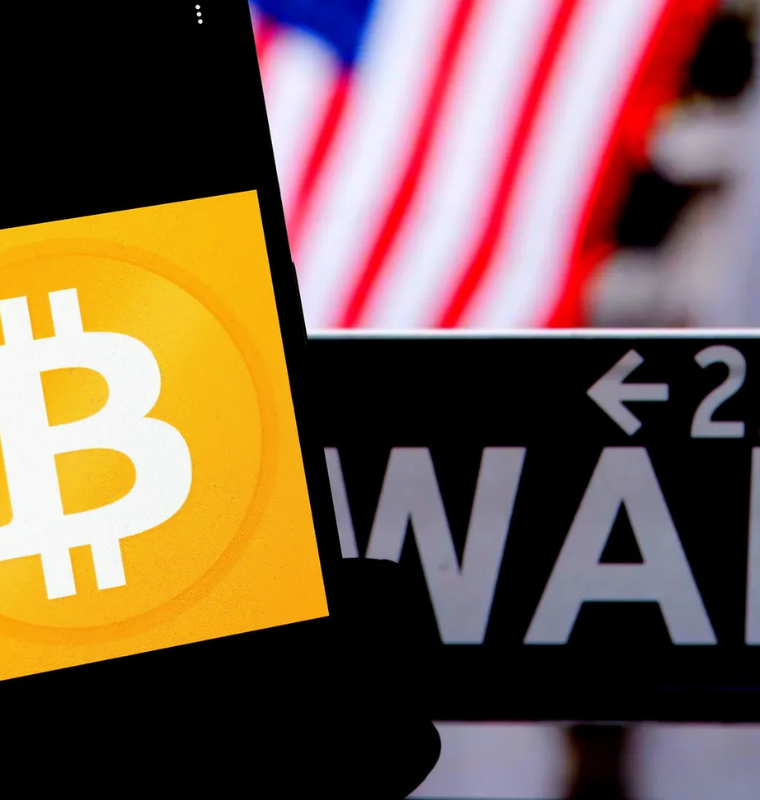
Photo: Britannica
The cryptocurrency industry continues to evolve beyond traditional trading and investment activities, and one of the most fascinating developments in recent months has been the rapid growth of prediction markets. This trend received significant attention after Polymarket reportedly surpassed Hyperliquid in daily revenue, highlighting the increasing popularity of platforms that allow users to speculate on real world events through blockchain technology.
The achievement marks an important milestone not only for Polymarket but also for the broader prediction market sector. For years, decentralized finance applications focused primarily on lending, borrowing, staking, and token trading. Today, a growing number of users are turning toward event based forecasting platforms that transform opinions and expectations into tradable financial positions.
The latest revenue figures suggest that prediction markets are becoming one of the most dynamic segments of the digital asset ecosystem.
What Are Prediction Markets?
Prediction markets are platforms where participants can buy and sell positions based on the likelihood of future events occurring. These events can range from political elections and economic indicators to sporting events, technological breakthroughs, and major global developments.
Instead of simply expressing an opinion, users place capital behind their predictions. Market prices then reflect collective expectations regarding the probability of various outcomes.
Supporters argue that prediction markets often produce surprisingly accurate forecasts because they aggregate information from large groups of participants with financial incentives to make informed decisions.
Blockchain technology has enhanced this model by creating transparent, accessible, and decentralized environments where users can participate from almost anywhere in the world.
Polymarket's Rapid Rise
Polymarket has emerged as one of the most recognized names within the prediction market industry. The platform gained popularity by offering users the ability to trade contracts tied to real world events across numerous categories.
Its growth has been driven by a combination of user friendly design, broad event coverage, strong community engagement, and increasing public interest in alternative forms of market participation.
Surpassing Hyperliquid in daily revenue represents more than a competitive victory. It demonstrates that demand for prediction based trading is growing rapidly and attracting substantial user activity.
The achievement also reflects changing preferences among cryptocurrency users who increasingly seek new ways to engage with digital financial platforms.
Why Prediction Markets Are Gaining Momentum
Several factors are contributing to the growing popularity of prediction markets.
First, they offer a unique form of participation that combines information gathering, analysis, and financial incentives. Users are not merely investing in asset prices. They are evaluating real world developments and translating their expectations into market positions.
Second, prediction markets provide access to opportunities that differ significantly from traditional cryptocurrency trading. Rather than focusing solely on token performance, participants can engage with political, economic, technological, and cultural events.
Third, advances in blockchain infrastructure have made these platforms more efficient, transparent, and accessible than ever before.
Together, these factors have helped create a powerful growth narrative for the sector.
The Role of Blockchain Technology
Blockchain technology serves as the foundation that enables modern prediction markets to operate efficiently.
Transactions are recorded transparently, outcomes can be verified through predefined mechanisms, and participants can maintain direct control over their assets. These characteristics help address many of the limitations associated with traditional centralized forecasting systems.
The decentralized nature of blockchain networks also allows prediction markets to attract global participation. Users from different regions contribute diverse perspectives, creating more dynamic and informative market environments.
As blockchain infrastructure continues improving, prediction markets may become increasingly sophisticated and widely adopted.
Revenue Growth Signals Industry Maturity
Revenue is often one of the clearest indicators of genuine user engagement. While platform traffic and account registrations provide useful insights, revenue reflects actual economic activity occurring within an ecosystem.
Polymarket's ability to generate higher daily revenue than a major competitor suggests that users are actively participating and placing significant value on prediction based products.
This development indicates that prediction markets are evolving from experimental concepts into sustainable business models capable of attracting long term users and investment.
Such progress strengthens confidence in the broader blockchain economy.
Competition Drives Innovation
The competition between Polymarket and Hyperliquid illustrates how rapidly the cryptocurrency sector continues to evolve.
When platforms compete for users, they often invest heavily in product improvements, user experience enhancements, technological upgrades, and market expansion strategies.
This competitive environment benefits participants by encouraging innovation and increasing the quality of available services.
As more companies enter the prediction market space, users can expect additional features, expanded event coverage, improved liquidity, and more advanced forecasting tools.
Competition frequently serves as one of the strongest catalysts for industry growth.
Institutional Interest Could Follow
Historically, many blockchain innovations have followed a similar path. They begin as niche products serving specialized communities before gradually attracting broader interest from institutions and professional investors.
Prediction markets may be approaching a similar transition.
The ability to aggregate collective intelligence and generate real time probability assessments has potential applications far beyond individual speculation. Businesses, research organizations, policymakers, and financial institutions may eventually explore these systems as valuable sources of information and forecasting insights.
If institutional participation increases, the sector could experience another significant phase of expansion.
Challenges Facing Prediction Markets
Despite their impressive growth, prediction markets still face important challenges.
Regulatory uncertainty remains one of the most significant issues. Different jurisdictions maintain varying rules regarding event based trading and forecasting contracts. As platforms expand globally, compliance requirements may become increasingly complex.
Liquidity management, outcome verification processes, and market integrity are additional areas requiring ongoing attention.
Successfully addressing these challenges will be essential for achieving long term sustainability and mainstream acceptance.
The platforms that navigate these issues effectively may emerge as leaders within the next generation of blockchain applications.
A New Form of Information Economy
One of the most intriguing aspects of prediction markets is their potential role in creating a new information economy.
Traditional financial markets often focus on valuing companies, commodities, or currencies. Prediction markets instead focus on valuing expectations and probabilities.
This distinction creates opportunities for entirely new forms of economic interaction. Information itself becomes an asset that can be analyzed, traded, and monetized.
As artificial intelligence, big data analytics, and blockchain technology continue advancing, prediction markets may become increasingly important tools for understanding complex global developments.
Looking Ahead
Polymarket's success in surpassing Hyperliquid in daily revenue highlights the remarkable growth occurring within the prediction market sector. What was once considered a niche corner of the cryptocurrency industry is rapidly evolving into a major area of innovation and user engagement.
The combination of blockchain transparency, global accessibility, and real world forecasting has created a compelling value proposition that continues attracting participants from around the world.
As interest in event based trading expands and technology continues advancing, prediction markets may become one of the defining applications of blockchain technology in the years ahead. For investors, developers, and industry observers, the rise of platforms like Polymarket offers a fascinating glimpse into the future of digital finance and collective intelligence.

Popular articles



Subscribe to unlock premium content
Ripple and Bitso Expand Partnership as RLUSD Stablecoin Ecosystem Gains Momentum
Bybit Introduces Tokenized SpaceX IPO Shares in Landmark Real World Asset Initiative

Crypto Tax Debate Intensifies in Washington Over Mining and Staking Rewards

Ripple and Bitso Expand Partnership as RLUSD Stablecoin Ecosystem Gains Momentum
Bybit Introduces Tokenized SpaceX IPO Shares in Landmark Real World Asset Initiative
Ripple and Bitso Expand Partnership as RLUSD Stablecoin Ecosystem Gains Momentum