
US Treasury Pushes for Urgent Crypto Regulation as Clarity Act Faces Delays

US Treasury Pushes for Urgent Crypto Regulation as Clarity Act Faces Delays
By
Alina Sinclair
Last updated:
April 9, 2026
First Published:
April 9, 2026


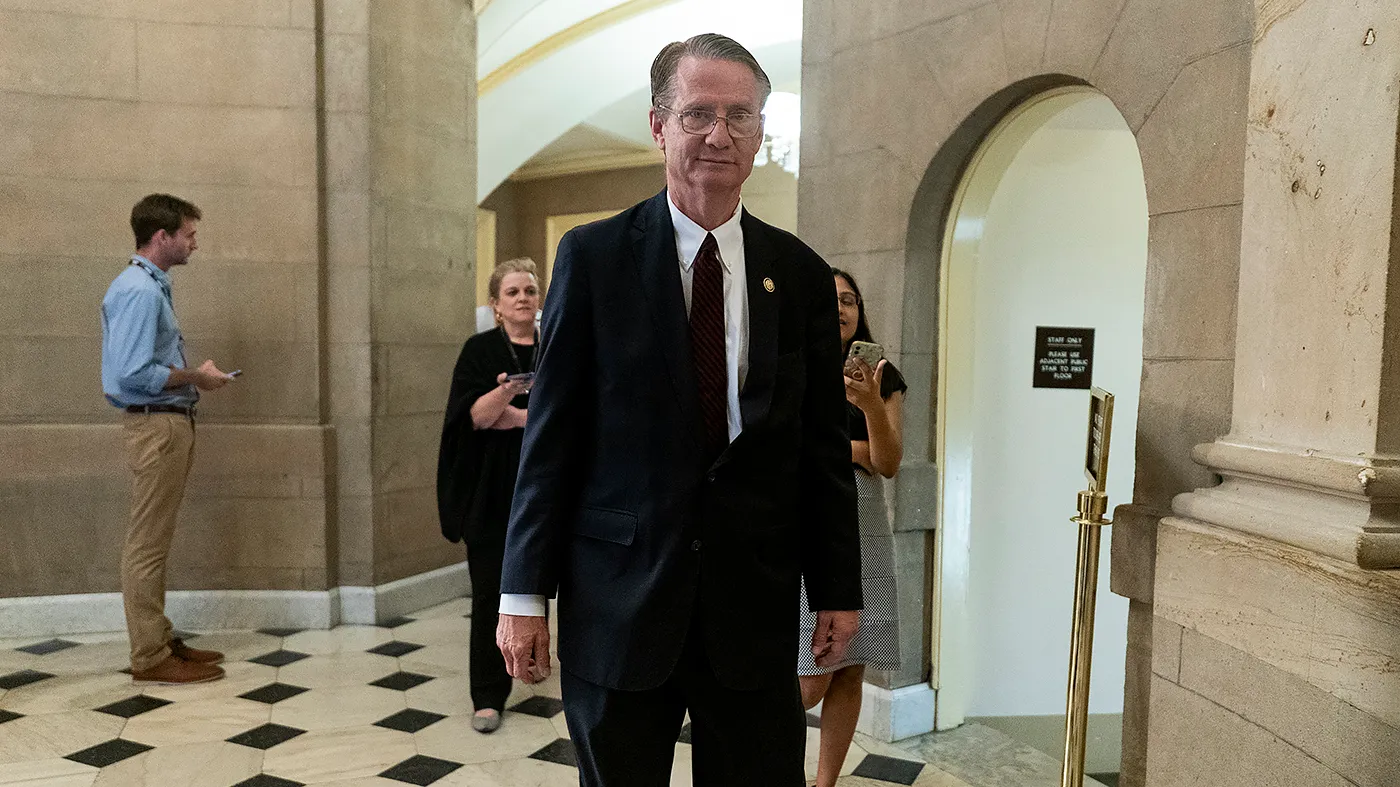
Photo: TheStreet
A Growing Sense of Urgency
The cryptocurrency industry in the United States is entering a decisive phase as regulatory pressure intensifies from the highest levels of government. The US Treasury has made it clear that delays in establishing a comprehensive legal framework for digital assets are no longer acceptable. With the Clarity Act still caught in legislative slowdown, officials are increasingly concerned about the risks posed by an unregulated or loosely governed crypto environment. This shift in tone reflects a broader recognition that the market has grown too large and too influential to operate without firm oversight.
The Clarity Act and Its Intended Impact
The Clarity Act was initially introduced as a structured attempt to define how cryptocurrencies should be categorized and regulated. Its purpose was to eliminate confusion between securities and commodities, while also establishing clear compliance standards for businesses operating in the space. However, the legislative process has proven slower than anticipated, leaving regulators without a unified legal backbone. This delay has created uncertainty not only for investors but also for companies attempting to innovate within the crypto ecosystem.
Why the Treasury Is Stepping In Now
The urgency from the US Treasury stems from multiple converging risks. Financial stability remains a key concern, especially as crypto assets become increasingly intertwined with traditional banking systems. Additionally, the potential for illicit financial activity continues to worry regulators. Without a cohesive legal framework, enforcement remains fragmented, making it difficult to monitor and control emerging threats effectively. The Treasury’s push signals a desire to bring consistency and authority to a rapidly evolving sector.
Market Growth Outpacing Regulation
One of the central issues driving this regulatory push is the sheer pace at which the crypto market has expanded. Over the past few years, digital assets have transitioned from a niche interest to a mainstream financial instrument. Institutional investors, payment companies, and even governments are now actively engaging with blockchain technology. This rapid growth has exposed gaps in existing laws, many of which were never designed to accommodate decentralized financial systems.
Industry Reaction to Regulatory Pressure
The response from the crypto industry has been mixed. Some companies welcome clearer regulations, viewing them as a pathway to legitimacy and long term stability. Others express concern that overly strict rules could stifle innovation and drive businesses to more favorable jurisdictions. Startups in particular fear that compliance costs may become a barrier to entry, potentially consolidating power among larger, well funded players.
The Role of Congress in Shaping the Outcome
While the Treasury can advocate and propose measures, the ultimate responsibility for passing comprehensive legislation lies with Congress. Lawmakers are currently divided on how aggressively to regulate the sector. Some prioritize consumer protection and risk mitigation, while others emphasize the importance of fostering technological innovation. This divide has contributed to the delays surrounding the Clarity Act, prolonging uncertainty across the market.
Global Competition Adds Pressure
The United States is not operating in isolation. Other regions are moving ahead with their own regulatory frameworks, aiming to attract crypto businesses and investment. This global competition is adding another layer of urgency to the situation. If the US fails to provide a clear and supportive regulatory environment, it risks losing its position as a leader in financial innovation. Policymakers are increasingly aware that hesitation could have long term economic consequences.
Investor Confidence at Stake
Regulation plays a critical role in shaping investor confidence. Without clear rules, many institutional investors remain cautious about fully committing to the crypto market. The absence of standardized protections and reporting requirements creates uncertainty, which can limit large scale participation. By pushing for faster regulatory action, the Treasury aims to create an environment where investors feel secure enough to engage more deeply with digital assets.
Balancing Innovation and Control
One of the most challenging aspects of crypto regulation is finding the right balance between oversight and innovation. Excessive control could hinder technological progress, while insufficient regulation could expose the financial system to significant risks. The current debate reflects this tension, with stakeholders on all sides advocating for policies that align with their priorities. Achieving equilibrium will require careful negotiation and a nuanced understanding of the technology.
What Comes Next for the Crypto Industry
As pressure from the US Treasury continues to build, it is likely that legislative efforts will accelerate in the coming months. Whether through the Clarity Act or alternative measures, the push for regulation appears inevitable. For the crypto industry, this moment represents both a challenge and an opportunity. Clear rules could pave the way for sustainable growth, but only if they are crafted with precision and foresight.
A Defining Moment for Digital Assets
The current situation marks a defining moment in the evolution of cryptocurrency. The decisions made now will shape the trajectory of the industry for years to come. As regulators, lawmakers, and industry leaders navigate this complex landscape, the outcome will determine whether the United States can successfully integrate digital assets into its financial system while maintaining stability and trust.
Popular articles



Subscribe to unlock premium content
Disney’s Timeless Magic and How the Entertainment Giant Continues to Shape Culture and Innovation

Imran Khan’s Economic Missteps Amid Political Chaos in Pakistan

The Philippines’ Digital Shift How Remittances and BPO Are Fueling Growth

Disney’s Timeless Magic and How the Entertainment Giant Continues to Shape Culture and Innovation
Imran Khan’s Economic Missteps Amid Political Chaos in Pakistan
Disney’s Timeless Magic and How the Entertainment Giant Continues to Shape Culture and Innovation