Stablecoins Hit $33 Trillion in Transactions as Financial Giants Accelerate Adoption

Stablecoins Hit $33 Trillion in Transactions as Financial Giants Accelerate Adoption
By
Alina Sinclair
Last updated:
April 9, 2026
First Published:
April 9, 2026

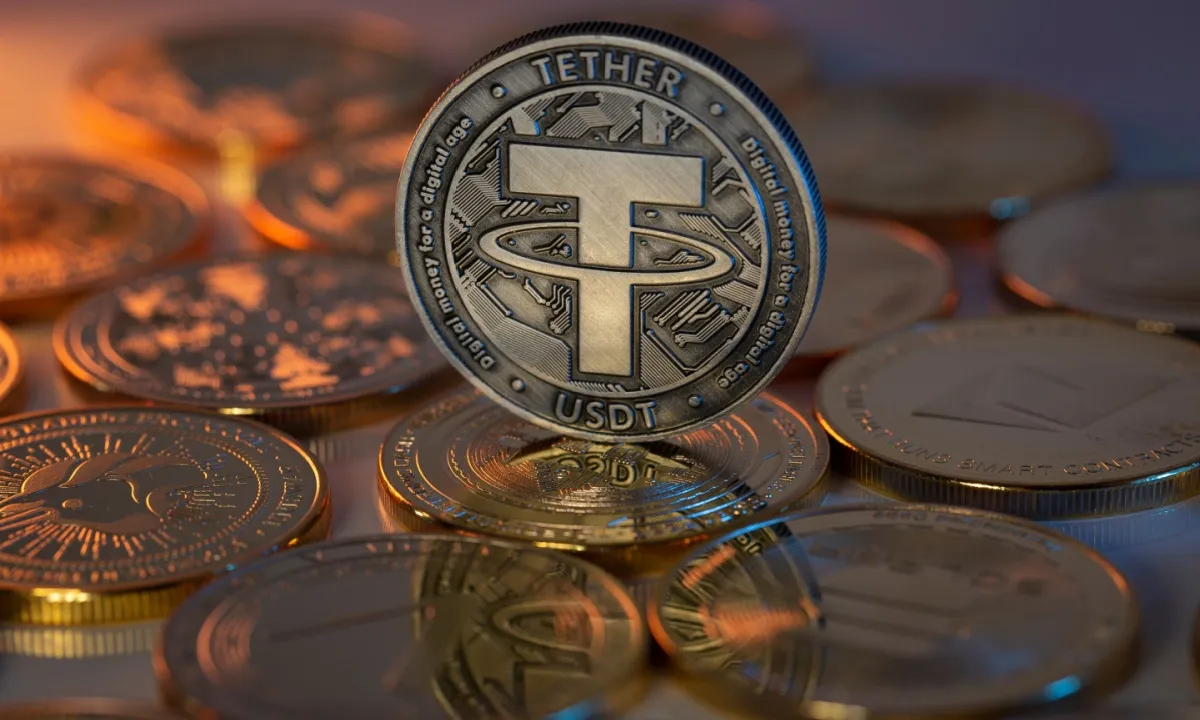
A Landmark Year for Stablecoin Activity
Stablecoins have reached a historic milestone, with total transaction volumes reportedly surpassing 33 trillion dollars over the past cycle. This figure reflects not only increased trading activity but also expanding real world usage across payments, remittances, and institutional settlement layers. The growth highlights how stablecoins are evolving from niche crypto instruments into foundational components of digital finance.
From Trading Instruments to Payment Infrastructure
Originally designed to provide stability within volatile crypto markets, stablecoins are now being used far beyond trading pairs. Businesses and financial institutions are increasingly adopting them as a settlement medium due to their speed and cost efficiency. This transition marks a significant evolution in their role within the broader financial ecosystem.
Institutional Adoption Gains Momentum
Major financial institutions are now integrating stablecoin systems into their operational frameworks. Banks, payment processors, and fintech companies are exploring blockchain based settlement rails to reduce friction in cross border transactions. This institutional involvement has played a major role in driving the surge in total transaction volumes.
Efficiency as a Key Driving Force
One of the primary reasons for stablecoin adoption is efficiency. Traditional banking systems often involve delays, intermediaries, and high fees, especially in international transfers. Stablecoins offer near instant settlement and significantly lower transaction costs, making them attractive for both corporations and individuals.
Cross Border Payments See Major Transformation
Remittances and cross border payments have become one of the strongest use cases for stablecoins. Migrant workers and global businesses are increasingly turning to digital dollar pegged assets to move money across borders quickly and reliably. This shift is gradually reshaping how global value transfer operates.
Liquidity Expansion Across Digital Markets
The rapid growth in stablecoin circulation has also improved liquidity across cryptocurrency markets. Traders and institutions rely on stable assets to enter and exit positions efficiently without converting back to traditional fiat systems. This increased liquidity has helped stabilize trading environments during periods of volatility.
Regulatory Attention Intensifies
As stablecoin usage expands, regulators around the world are paying closer attention to their structure and backing mechanisms. Concerns around reserve transparency, systemic risk, and monetary policy implications are driving discussions on how these assets should be governed. Governments are now working toward clearer frameworks to address these challenges.
Integration With Traditional Finance Systems
Financial giants are not only adopting stablecoins but also building infrastructure that connects them with traditional banking systems. This includes custody solutions, compliance tools, and blockchain based payment gateways. The convergence of traditional and digital finance is becoming increasingly visible as integration deepens.
Impact on Global Dollar Dominance
A significant portion of stablecoins are pegged to the US dollar, which effectively extends dollar usage into the digital economy. This has implications for global currency dynamics, as digital dollar instruments become more widely used in regions with limited access to traditional banking services.
Security and Transparency Challenges Remain
Despite their growth, stablecoins face ongoing challenges related to transparency and reserve verification. Users and institutions demand clear proof that digital tokens are fully backed by real world assets. Ensuring trust remains a critical requirement for continued expansion.
Future Outlook for Stablecoin Ecosystems
The trajectory of stablecoin adoption suggests continued expansion as more financial systems integrate blockchain based settlement layers. If current trends persist, stablecoins could become a core component of global financial infrastructure, bridging the gap between traditional banking and decentralized finance.
A Structural Shift in Digital Finance
The 33 trillion dollar milestone is not just a numerical achievement but a signal of deeper structural change. Stablecoins are increasingly shaping how money moves in a digital economy, influencing everything from retail payments to institutional treasury management. Their continued evolution will likely define the next phase of financial modernization.

Popular articles



Subscribe to unlock premium content
Disney’s Timeless Magic and How the Entertainment Giant Continues to Shape Culture and Innovation

Imran Khan’s Economic Missteps Amid Political Chaos in Pakistan

The Philippines’ Digital Shift How Remittances and BPO Are Fueling Growth

Disney’s Timeless Magic and How the Entertainment Giant Continues to Shape Culture and Innovation
Imran Khan’s Economic Missteps Amid Political Chaos in Pakistan
Disney’s Timeless Magic and How the Entertainment Giant Continues to Shape Culture and Innovation