
United States Lawmakers Push for Stronger Crypto Fraud Protections

United States Lawmakers Push for Stronger Crypto Fraud Protections
By
Junia Wells
Last updated:
December 18, 2025
First Published:
December 18, 2025

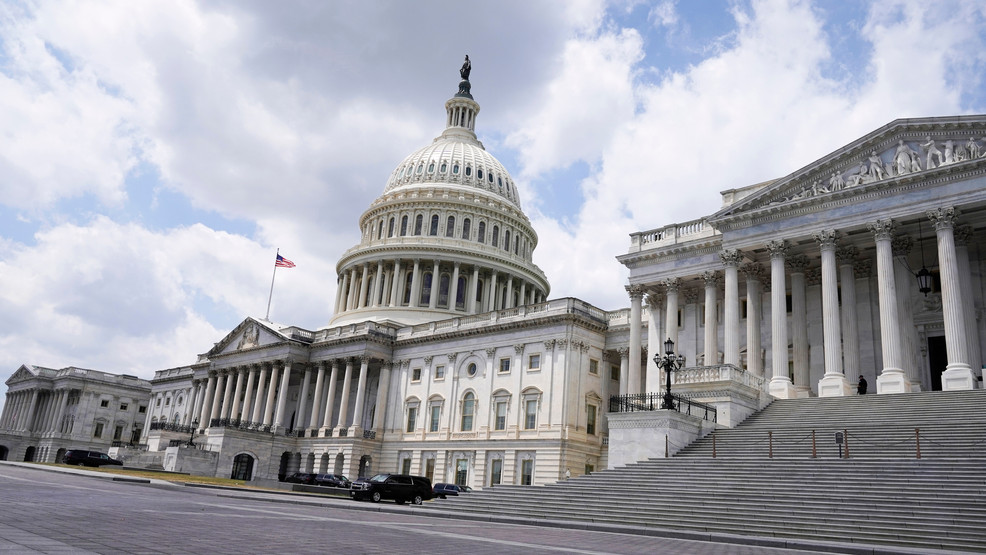
Photo: News Channel 9
The introduction of a comprehensive crypto fraud bill by United States senators reflects growing concern over persistent misconduct within digital asset markets. After several high profile collapses and enforcement actions lawmakers are under pressure to demonstrate that innovation will not come at the cost of consumer safety. This bill represents a coordinated attempt to address systemic weaknesses rather than isolated incidents.
Why Fraud Has Become a Central Issue
Fraud has remained one of the most damaging forces in the cryptocurrency sector. From misleading token launches to sophisticated investment scams the absence of consistent oversight has left many participants exposed. Lawmakers now view fraud prevention as a prerequisite for long term market legitimacy rather than an obstacle to innovation.
Key Objectives of the Proposed Bill
At its core the legislation seeks to establish clearer definitions around fraudulent behavior in digital asset transactions. By outlining specific obligations for platforms issuers and intermediaries the bill aims to close loopholes that have previously allowed bad actors to operate with limited consequences. The goal is not to restrict technology but to set enforceable standards.
Focus on Platform Accountability
One of the most significant elements of the proposal is its emphasis on exchange and platform responsibility. Rather than placing the burden solely on individual users the bill pushes service providers to adopt stronger monitoring disclosure and reporting mechanisms. This shift recognizes that platforms play a central role in shaping market integrity.
Consumer Protection as a Policy Priority
Protecting retail participants is a central theme throughout the legislation. The bill proposes enhanced disclosure requirements designed to ensure that users understand the risks associated with digital assets. Lawmakers appear intent on reducing information asymmetry that has historically favored insiders over everyday investors.
Balancing Innovation and Oversight
A recurring challenge for regulators is avoiding excessive control that could stifle technological progress. The bill attempts to strike a balance by targeting deceptive practices rather than the underlying technology. This approach signals a maturing regulatory perspective that distinguishes between innovation and exploitation.
Industry Reaction and Early Signals
Initial responses from industry participants have been mixed. Some see the bill as a necessary step toward mainstream acceptance while others express concern over potential compliance costs. Despite differing views there is growing recognition that clearer rules may ultimately benefit reputable projects and businesses.
Impact on Market Confidence
If enacted the legislation could have a stabilizing effect on market sentiment. Stronger fraud protections may encourage hesitant institutional players to engage with digital assets. Increased confidence could translate into deeper liquidity and more sustainable growth across the sector.
Global Regulatory Implications
United States policy often influences regulatory approaches in other jurisdictions. This bill may serve as a reference point for international lawmakers seeking to address similar challenges. As digital assets operate across borders coordinated standards become increasingly important.
Enforcement and Practical Challenges
Passing legislation is only the first step. Effective enforcement will depend on coordination between regulators law enforcement agencies and market participants. Ensuring that rules are applied consistently across rapidly evolving technologies will remain a complex task.
A Step Toward Market Maturity
The introduction of a crypto fraud bill signals that digital assets are no longer viewed as a niche experiment. They are now recognized as a significant component of the financial system that requires robust safeguards. This shift marks a transition from reactive enforcement to proactive governance.
Looking Forward
As debate around the bill continues its final form may evolve through industry input and political negotiation. Regardless of specific outcomes the broader direction is clear accountability and transparency are becoming foundational expectations in the crypto economy.
Popular articles



Subscribe to unlock premium content
Disney’s Timeless Magic and How the Entertainment Giant Continues to Shape Culture and Innovation

Imran Khan’s Economic Missteps Amid Political Chaos in Pakistan

The Philippines’ Digital Shift How Remittances and BPO Are Fueling Growth

Disney’s Timeless Magic and How the Entertainment Giant Continues to Shape Culture and Innovation
Imran Khan’s Economic Missteps Amid Political Chaos in Pakistan
Disney’s Timeless Magic and How the Entertainment Giant Continues to Shape Culture and Innovation