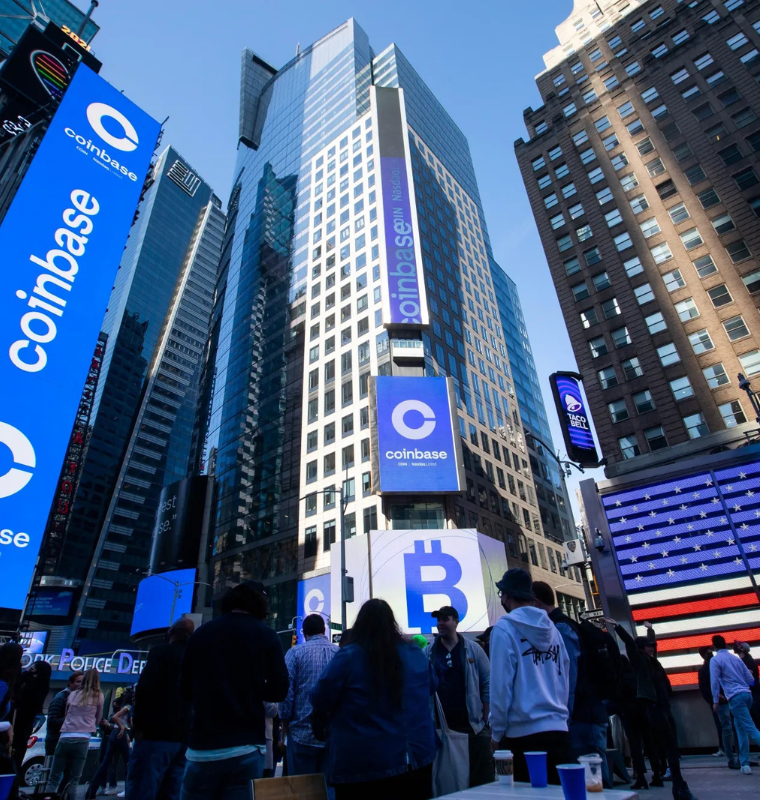
UK Regulators Advance 24 Hour Tokenized Asset Settlement Framework
By
Leah Rosenfeld
Last updated:
May 18, 2026
First Published:
May 18, 2026

A Structural Shift in How Financial Markets Operate
The United Kingdom is moving closer to a major overhaul of its financial market infrastructure as regulators explore a framework that would enable 24 hour settlement of tokenized assets. This development represents a significant departure from the traditional banking and securities settlement systems that operate within fixed business hours and multi day processing cycles. The proposed shift reflects growing recognition that digital asset markets no longer align with legacy financial timelines.
Tokenization of assets refers to the process of representing real world financial instruments such as bonds equities and funds on blockchain based systems. By embedding these assets into programmable digital formats regulators aim to improve efficiency reduce settlement delays and enhance transparency across trading ecosystems. The move toward continuous settlement could reshape how capital flows through global markets.
Why Traditional Settlement Systems Are Under Pressure
Conventional financial settlement systems were designed for an earlier era of finance where manual verification and centralized clearing houses required time to process transactions. Most global securities markets still operate on a T plus two or T plus one settlement cycle meaning trades can take one or two days to fully complete.
However modern financial markets now function at significantly higher speeds driven by algorithmic trading digital platforms and global investor participation. The delay between trade execution and final settlement introduces operational risk liquidity inefficiency and counterparty exposure. Regulators increasingly view these delays as outdated in a digitized financial environment.
The push for 24 hour settlement is therefore not simply about speed but about aligning market infrastructure with the realities of continuous global trading activity.
The Role of Tokenized Assets in Market Transformation
Tokenized assets are central to the UK regulator’s vision for a more efficient financial ecosystem. By representing securities on blockchain networks ownership transfers can occur instantly without relying on traditional intermediaries to reconcile transactions. This reduces friction and potentially lowers transaction costs across the financial system.
In addition tokenization enables fractional ownership which allows investors to access previously illiquid or high value assets with smaller capital requirements. This democratization of access could broaden participation in capital markets and increase overall market liquidity.
Regulators believe that combining tokenization with continuous settlement systems could unlock new levels of financial efficiency that are not achievable under legacy infrastructure.
How 24 Hour Settlement Would Work in Practice
A 24 hour settlement framework would allow financial transactions to be processed and finalized at any time of day without waiting for market opening hours or clearing cycles. Blockchain based systems would play a key role in enabling this functionality by providing real time verification and automated settlement mechanisms.
Smart contracts could execute trade settlements immediately after conditions are met removing the need for manual reconciliation. This would significantly reduce operational delays and allow capital to move more freely between market participants.
Financial institutions would need to upgrade their internal systems to support continuous liquidity management risk monitoring and compliance checks. This represents a major shift from current batch based processing models.
Benefits for Investors and Financial Institutions
The transition to continuous settlement could provide several advantages for both institutional and retail investors. Faster settlement reduces exposure to counterparty risk meaning investors are less vulnerable to default events during the waiting period between trade execution and completion.
Financial institutions could also benefit from improved liquidity efficiency. Capital that is currently tied up during settlement cycles would become available more quickly allowing for better allocation and reduced funding costs.
Additionally increased transparency through tokenized systems could improve trust in market operations. Every transaction recorded on a blockchain ledger creates a permanent audit trail which can enhance regulatory oversight and reduce disputes.
Challenges in Implementing Continuous Settlement Systems
Despite its potential benefits the transition to a 24 hour tokenized settlement system presents significant challenges. One of the primary concerns is technological readiness across existing financial institutions. Many banks and clearing houses still rely on legacy infrastructure that is not compatible with blockchain based systems.
Cybersecurity also remains a critical issue. Continuous settlement systems must operate without interruption which increases the importance of robust security frameworks capable of preventing attacks and system failures. Even minor vulnerabilities could have widespread consequences in a fully automated financial environment.
Regulators must also consider interoperability between different blockchain networks and traditional financial systems. Without standardized protocols global adoption could become fragmented and inefficient.
Regulatory Oversight and Risk Management
UK regulators are known for taking a balanced approach to financial innovation and risk management. While they support modernization of capital markets they also emphasize the importance of maintaining financial stability investor protection and market integrity.
A key focus of the new framework is ensuring that tokenized assets remain compliant with existing securities laws and anti money laundering regulations. Regulators will likely require strict identity verification systems and transaction monitoring tools to prevent illicit activity.
Risk management frameworks will also need to evolve to account for real time settlement environments. Traditional risk models based on delayed settlement assumptions may no longer be sufficient in a continuous trading ecosystem.
Impact on Global Financial Competitiveness
If successfully implemented the United Kingdom could position itself as a global leader in tokenized financial markets. Other financial hubs such as the United States Singapore and the European Union are also exploring similar innovations but regulatory progress has varied across regions.
A fully operational 24 hour settlement system could attract significant institutional investment by offering faster more efficient market infrastructure. This may strengthen the UK’s role as a major global financial center in the digital asset era.
Competition between jurisdictions could accelerate innovation as countries attempt to create the most attractive regulatory environments for tokenized finance.
The Growing Role of Blockchain in Traditional Finance
The move toward tokenized settlement systems reflects a broader trend of blockchain integration into traditional financial markets. What was once viewed as an experimental technology is now being seriously considered as foundational infrastructure for global capital markets.
Banks asset managers and clearing institutions are increasingly exploring blockchain based solutions for trade settlement custody and record keeping. This convergence between traditional finance and decentralized technology is reshaping industry expectations.
As adoption grows the distinction between crypto markets and traditional financial markets may continue to blur further creating a more unified global financial system.
Preparing for a Continuous Financial Future
The concept of 24 hour settlement represents a fundamental shift in how financial markets operate. Instead of being constrained by business hours and manual processing cycles markets may evolve into continuous always on systems powered by blockchain infrastructure.
This transition will require significant investment coordination and regulatory clarity but the potential benefits are substantial. Increased efficiency reduced risk and improved accessibility could transform capital markets at a structural level.
While challenges remain the direction of change is becoming increasingly clear. Financial systems are moving toward greater automation tokenization and real time settlement capabilities that reflect the demands of a digital global economy.

Popular articles



Subscribe to unlock premium content
Imran Khan’s Economic Missteps Amid Political Chaos in Pakistan

The Philippines’ Digital Shift How Remittances and BPO Are Fueling Growth

Is the Era of Globalization Over or Just Evolving?
Imran Khan’s Economic Missteps Amid Political Chaos in Pakistan
The Philippines’ Digital Shift How Remittances and BPO Are Fueling Growth
Imran Khan’s Economic Missteps Amid Political Chaos in Pakistan