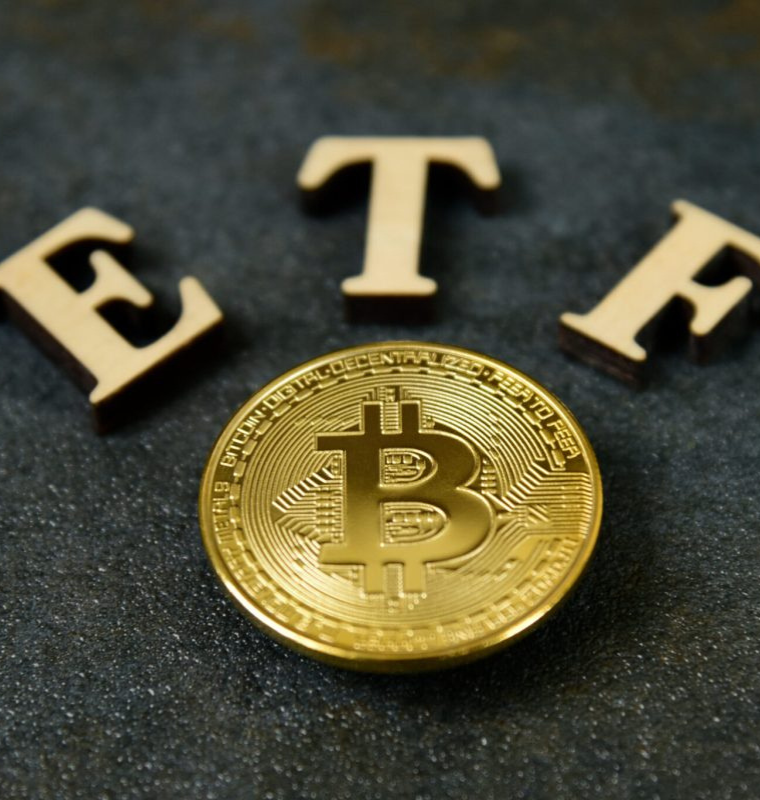
Coinbase Shares Surge as US Senate Advances Landmark Crypto Market Structure Bill

Coinbase Shares Surge as US Senate Advances Landmark Crypto Market Structure Bill
By
Leah Rosenfeld
Last updated:
May 18, 2026
First Published:
May 18, 2026

.webp)
Photo: Bloomberg.com
A Major Policy Shift in United States Crypto Regulation
The cryptocurrency market experienced a notable boost after the United States Senate advanced a comprehensive crypto market structure bill, triggering a sharp rally in Coinbase shares and renewed optimism across the digital asset industry. The legislative development signals one of the most significant steps yet toward establishing a clearer regulatory framework for cryptocurrencies in the United States.
For years the crypto industry has operated in a regulatory environment often described as fragmented and uncertain. Different agencies have issued overlapping or sometimes conflicting guidance, leaving exchanges, investors, and developers navigating a complex legal landscape. The new bill aims to address these gaps by defining clearer roles for regulators and establishing standardized rules for digital asset markets.
Market participants interpreted the Senate’s progress as a positive signal that Washington is moving closer to long awaited regulatory clarity.
Coinbase Emerges as a Key Market Beneficiary
Coinbase, one of the largest cryptocurrency exchanges in the United States, saw its shares rally strongly following the news. Investors view the company as one of the primary beneficiaries of clearer regulatory frameworks because it operates at the center of crypto trading, custody, and institutional services.
A more structured regulatory environment could reduce compliance uncertainty for Coinbase and similar exchanges. This would potentially allow them to expand services more confidently, attract institutional clients, and increase participation from traditional financial firms that previously hesitated due to unclear rules.
Coinbase has long advocated for transparent regulation in the crypto sector. The company argues that clear rules would not only protect consumers but also support innovation by providing a stable foundation for long term business development.
What the Market Structure Bill Aims to Achieve
The proposed legislation focuses on defining how digital assets are classified and which federal agencies oversee different aspects of the crypto ecosystem. One of the central goals is to reduce ambiguity between securities and commodities classifications, an issue that has caused legal disputes and enforcement actions in recent years.
The bill also seeks to improve investor protection standards across exchanges and trading platforms. This includes stronger requirements for transparency, reporting, custody practices, and risk disclosure. By establishing consistent rules, lawmakers hope to create a safer environment for both retail and institutional participants.
Additionally, the framework aims to encourage innovation by providing legal clarity for blockchain developers and fintech companies building decentralized applications.
Investor Sentiment Strengthens Across Crypto Markets
Following the Senate advancement, sentiment across the broader cryptocurrency market improved noticeably. Bitcoin and major altcoins saw increased trading activity as investors interpreted the news as a sign of growing institutional acceptance in the United States.
Regulatory clarity has long been considered one of the most important factors for mainstream crypto adoption. Many institutional investors have remained cautious due to concerns about sudden policy changes or enforcement actions. A structured legal framework could reduce these risks and encourage greater capital inflows into the sector.
Market analysts noted that regulatory progress often has a stronger long term impact than short term price movements because it influences how large financial institutions allocate capital.
Institutional Investors Watch Closely
Large asset managers, hedge funds, and financial institutions are paying close attention to developments in Washington. Many of these entities have already begun exploring digital asset exposure through Bitcoin ETFs, custody services, and blockchain based investment products.
However, regulatory uncertainty has historically limited deeper participation. A clear market structure could open the door for broader institutional engagement by reducing legal ambiguity and compliance complexity.
Some analysts believe that if the bill becomes law, it could trigger a new wave of institutional adoption similar to earlier periods when traditional financial products like ETFs were first introduced.
Exchanges Face a Changing Competitive Landscape
Cryptocurrency exchanges are likely to be among the most affected by new regulatory standards. Platforms operating in the United States may need to adjust compliance systems, reporting mechanisms, and customer verification processes to meet updated requirements.
While increased regulation may raise operational costs, it could also benefit established exchanges like Coinbase by raising barriers for smaller or less compliant competitors. This could lead to a more consolidated and regulated trading environment.
At the same time, global exchanges operating outside the United States may need to reconsider their strategies if they wish to access American markets under the new framework.
Balancing Innovation and Regulation
One of the key challenges in drafting crypto legislation is maintaining a balance between encouraging innovation and ensuring financial stability. Overly strict rules could push innovation offshore, while overly relaxed standards could expose investors to higher risks.
Lawmakers are attempting to strike a middle ground that supports responsible growth of blockchain technology while ensuring adequate consumer protections. This includes provisions aimed at preventing fraud, improving transparency, and strengthening oversight of trading platforms.
The outcome of this balance will likely shape the future direction of the US crypto industry for years to come.
Global Implications of US Crypto Policy
Because the United States plays a major role in global financial markets, its regulatory decisions often influence policy approaches in other countries. If the market structure bill leads to successful implementation, other jurisdictions may adopt similar frameworks to remain competitive.
Countries in Europe, Asia, and the Middle East are already developing their own crypto regulatory systems. A clear US model could accelerate global alignment and reduce fragmentation in international digital asset regulation.
This would be particularly important for multinational exchanges and blockchain companies operating across multiple regions.
Bitcoin and Ethereum React to Policy Optimism
While the most immediate impact was seen in Coinbase shares, major cryptocurrencies also responded positively to the legislative news. Bitcoin and Ethereum experienced increased trading volumes as investors adjusted positions based on expectations of improved regulatory clarity.
Market observers often note that Bitcoin tends to react strongly to macro regulatory developments because it is viewed as the benchmark asset for the entire crypto industry. Ethereum also benefits due to its role as the foundation for decentralized finance and smart contract applications.
Sustained regulatory progress could support long term confidence in both assets.
A Step Toward Mainstream Financial Integration
The advancement of the crypto market structure bill represents a significant step toward integrating digital assets into the traditional financial system. As regulatory frameworks become more defined, cryptocurrencies may increasingly be treated as standard financial instruments rather than experimental technology.
This shift could encourage greater participation from banks, asset managers, and institutional investors who require regulatory certainty before engaging at scale.
While the legislative process is still ongoing, the current momentum suggests that crypto regulation in the United States is moving toward a more structured and predictable future.
Popular articles



Subscribe to unlock premium content
Imran Khan’s Economic Missteps Amid Political Chaos in Pakistan

The Philippines’ Digital Shift How Remittances and BPO Are Fueling Growth

Is the Era of Globalization Over or Just Evolving?

Imran Khan’s Economic Missteps Amid Political Chaos in Pakistan
The Philippines’ Digital Shift How Remittances and BPO Are Fueling Growth
Imran Khan’s Economic Missteps Amid Political Chaos in Pakistan