
UK Regulator Moves Toward a Comprehensive Crypto Rulebook
By
David Goldfarb
Last updated:
December 15, 2025
First Published:
December 15, 2025


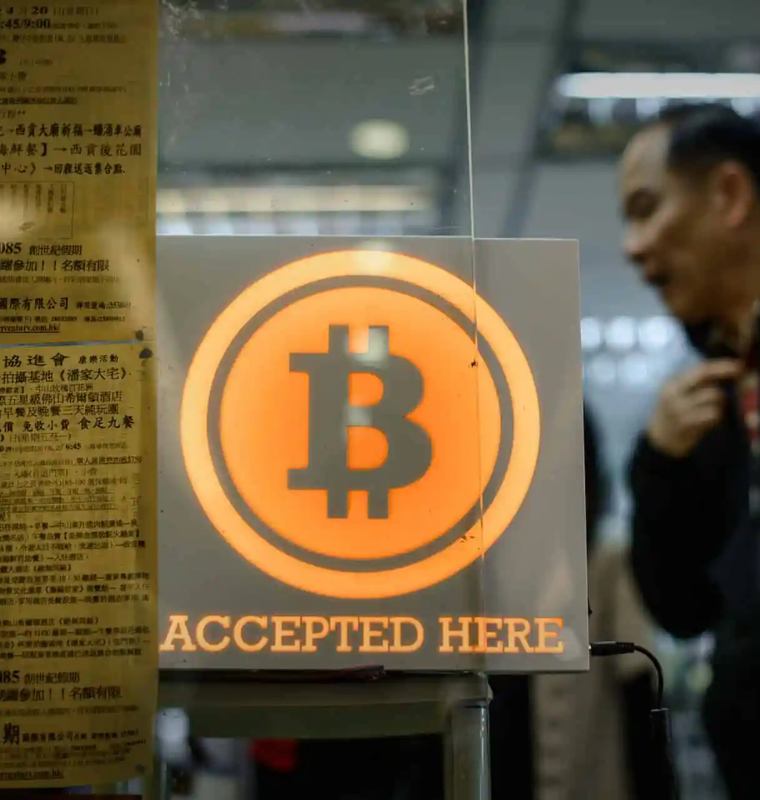
Photo: The Times
A Defining Moment for the UK Crypto Landscape
The United Kingdom has entered a decisive phase in its relationship with digital assets as the national financial regulator begins shaping a comprehensive framework for the crypto industry. This initiative reflects a broader recognition that cryptocurrencies and blockchain based services are no longer peripheral innovations. They are now embedded within global financial markets and require structured oversight to ensure stability fairness and trust.
From Fragmented Oversight to Unified Standards
Until now crypto businesses operating in the UK have navigated a patchwork of guidance rather than a single coherent rulebook. The proposed regulatory approach aims to replace ambiguity with clarity. By addressing multiple segments of the industry under one framework the regulator is signaling that crypto markets will be treated with the same seriousness as traditional financial sectors.
Focus on Market Integrity and Transparency
One of the central pillars of the new proposals is market integrity. The regulator is placing emphasis on preventing insider trading market manipulation and misleading disclosures. These measures are designed to protect participants while also improving the credibility of digital asset markets. Transparency standards similar to those applied in equities and commodities are expected to become a baseline requirement.
Clearer Rules for Exchanges and Trading Platforms
Crypto exchanges play a critical role as gateways between digital assets and the broader economy. The new framework seeks to define how these platforms list tokens manage conflicts of interest and safeguard client assets. This shift could significantly reshape the competitive landscape by favoring platforms that invest in compliance governance and robust operational controls.
Investor Protection as a Core Priority
Retail participation in crypto markets has grown rapidly often outpacing investor education. The regulator’s approach places strong emphasis on disclosure risk warnings and suitability standards. These measures aim to ensure that individuals understand the nature of the assets they are engaging with rather than being driven solely by speculation or social media narratives.
Implications for Staking and Lending Services
Crypto lending and staking products have expanded quickly but often without clear regulatory boundaries. The proposed rules are expected to address how yields are generated how risks are communicated and how client funds are managed. This could lead to a more disciplined environment where returns are balanced against clearly defined responsibilities.
Balancing Innovation with Oversight
A key challenge for the regulator is maintaining the UK’s appeal as a hub for financial innovation. Rather than imposing restrictive measures the consultation based approach suggests a willingness to engage with industry participants. The objective appears to be creating guardrails that support sustainable innovation rather than stifling technological progress.
Global Alignment and Competitive Positioning
The UK is not operating in isolation. Regulatory developments in Europe Asia and North America are influencing its approach. By aligning with international standards while retaining flexibility the UK aims to remain competitive as a destination for crypto firms seeking regulatory certainty without excessive burden.
Impact on Institutional Participation
Clear regulations often act as a catalyst for institutional capital. Asset managers banks and payment providers typically require regulatory clarity before committing resources. A well defined framework could unlock greater institutional involvement which in turn may bring deeper liquidity and more sophisticated products to the market.
Short Term Adjustment and Long Term Stability
In the near term some firms may face operational adjustments increased compliance costs or strategic realignments. However over the long term a structured regulatory environment can reduce systemic risk and foster trust. Markets that operate within clear rules tend to attract more resilient participation across economic cycles.
A Signal of Crypto’s Permanent Role in Finance
Perhaps the most important implication of the UK regulator’s move is symbolic. By dedicating substantial regulatory attention to crypto assets the state is acknowledging their permanence within the financial system. This marks a transition from experimental tolerance to structured integration.
The UK’s push toward comprehensive crypto regulation represents a turning point for the industry. It reflects an understanding that digital assets require thoughtful governance rather than reactive enforcement. If executed effectively this framework could position the UK as a balanced model where innovation and accountability evolve together.
Popular articles



Subscribe to unlock premium content
Disney’s Timeless Magic and How the Entertainment Giant Continues to Shape Culture and Innovation

Imran Khan’s Economic Missteps Amid Political Chaos in Pakistan

The Philippines’ Digital Shift How Remittances and BPO Are Fueling Growth

Disney’s Timeless Magic and How the Entertainment Giant Continues to Shape Culture and Innovation
Imran Khan’s Economic Missteps Amid Political Chaos in Pakistan
Disney’s Timeless Magic and How the Entertainment Giant Continues to Shape Culture and Innovation