UFC to Award Fighter Bonuses in USD1 Stablecoin at White House Event

UFC to Award Fighter Bonuses in USD1 Stablecoin at White House Event
By
Augusta Parker
Last updated:
June 14, 2026
First Published:
June 14, 2026

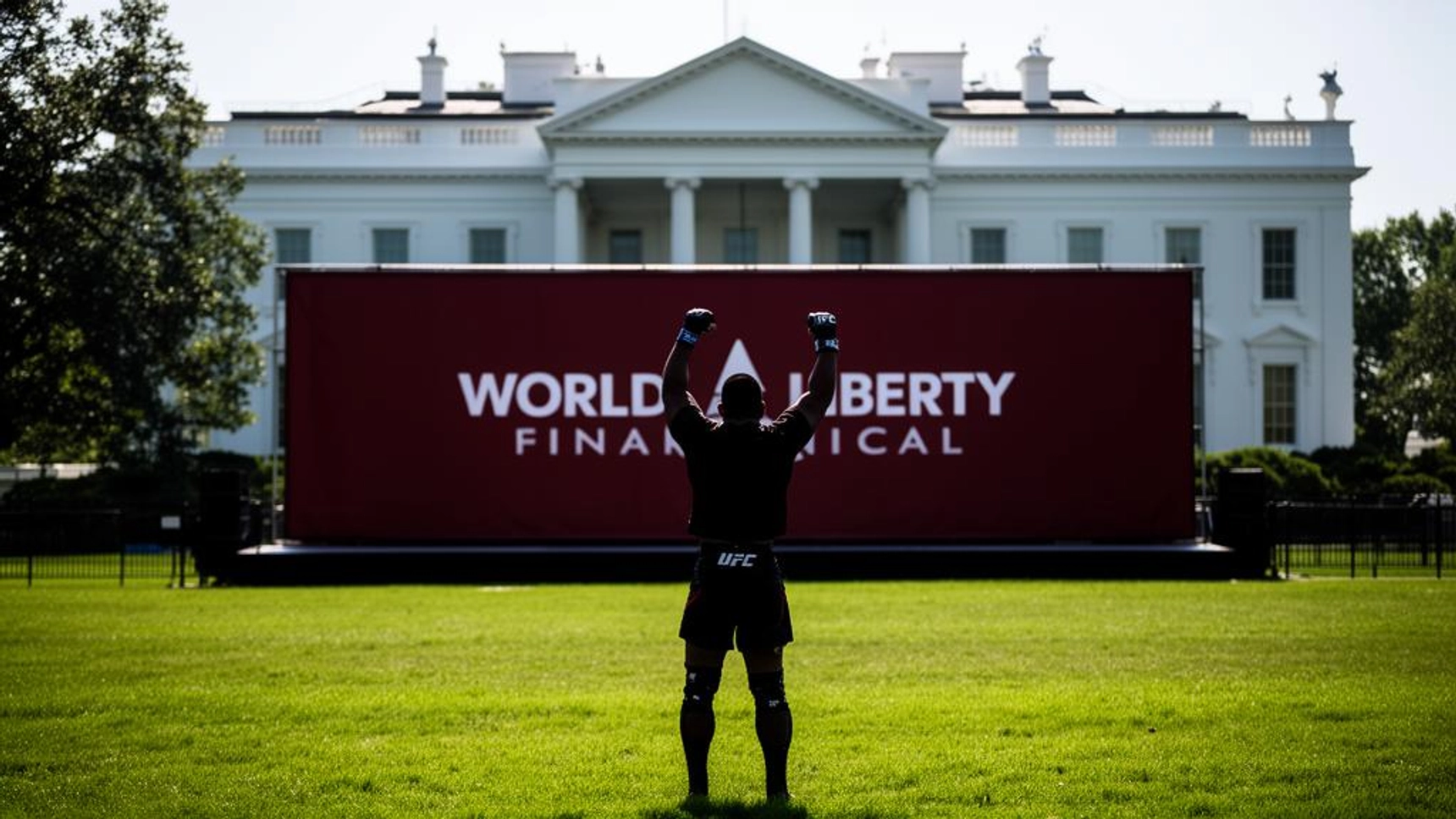
Photo: BigGo Finance
The relationship between cryptocurrency and mainstream culture continues to deepen as the Ultimate Fighting Championship prepares to award fighter bonuses in USD1, a digital stablecoin associated with World Liberty Financial, during a highly anticipated event at the White House. The announcement has generated significant attention throughout the sports, political, and cryptocurrency sectors, highlighting the growing role of digital assets beyond traditional investment circles.
What makes this development particularly noteworthy is not simply the use of cryptocurrency as a payment method. Rather, it represents the convergence of several powerful forces including sports entertainment, financial technology, political visibility, and digital asset adoption. The decision signals how cryptocurrency is increasingly becoming part of everyday conversations and institutional activities rather than remaining confined to specialized financial communities.
Cryptocurrency Enters a New Stage of Public Visibility
For many years, cryptocurrencies were primarily associated with traders, technology enthusiasts, and early adopters. While institutional investment and regulatory developments helped bring legitimacy to the sector, mainstream exposure often remained limited.
The UFC announcement changes that narrative in a meaningful way. Mixed martial arts is one of the fastest growing sports globally, attracting millions of viewers across multiple continents. By incorporating stablecoin payments into a major public event, the organization introduces digital assets to audiences who may have little prior exposure to blockchain based financial systems.
This type of visibility has the potential to accelerate awareness and understanding among mainstream consumers who previously viewed cryptocurrency as a niche market.
Understanding the Role of Stablecoins
Unlike traditional cryptocurrencies that often experience significant price fluctuations, stablecoins are designed to maintain a consistent value by being linked to external assets such as national currencies.
USD1 falls within this category, offering users the ability to transfer value digitally while minimizing the volatility commonly associated with assets such as Bitcoin and Ethereum. This stability makes such digital currencies attractive for payments, settlements, and financial transactions where predictable value is essential.
The UFC's decision to distribute bonuses through a stablecoin rather than a more volatile cryptocurrency reflects the practical advantages that stable digital assets can provide in real world applications.
Why Sports Organizations Are Embracing Digital Assets
Sports organizations have become increasingly interested in cryptocurrency partnerships over the past several years. Teams, leagues, and event promoters have explored digital sponsorships, fan engagement initiatives, blockchain ticketing systems, and cryptocurrency based rewards.
The UFC has consistently positioned itself as an organization willing to experiment with emerging technologies. By integrating stablecoin payments into fighter compensation, the promotion demonstrates a willingness to move beyond marketing partnerships and toward direct operational use of digital assets.
This transition represents an important evolution in how sports organizations engage with blockchain technology.
The Symbolism of a White House Venue
The choice of venue adds another layer of significance to the announcement. Events connected to the White House naturally attract widespread media attention and public interest. As a result, the use of cryptocurrency in such a setting carries symbolic weight beyond the financial transaction itself.
For the cryptocurrency industry, appearances in prominent governmental and political environments can contribute to perceptions of legitimacy and normalization. While digital assets have often faced skepticism and regulatory scrutiny, high profile public events can help shift public perceptions by presenting cryptocurrency as a practical financial tool.
The visibility generated by the venue ensures that discussions surrounding digital assets will reach audiences far beyond the traditional crypto community.
World Liberty Financial Gains Greater Exposure
The involvement of World Liberty Financial has also become a major talking point. Stablecoins depend heavily on public trust and widespread recognition. Any opportunity that introduces a stablecoin to millions of potential users can strengthen awareness and encourage broader adoption.
For emerging digital financial products, visibility is often one of the most valuable assets. By becoming associated with a globally recognized sporting event, USD1 gains exposure that many financial products spend years attempting to achieve.
This increased recognition may influence future adoption strategies across the stablecoin sector.
Stablecoins Continue Expanding Beyond Trading
Historically, stablecoins have been used primarily within cryptocurrency exchanges and decentralized finance platforms. Traders relied on them to move funds efficiently while maintaining value stability during periods of market volatility.
However, the sector has evolved significantly. Stablecoins are now being explored for international remittances, merchant payments, payroll systems, charitable donations, and institutional settlements.
The UFC initiative demonstrates another practical use case by applying stablecoin technology to athlete compensation. Such applications showcase how digital currencies can operate within real world economic activities rather than existing solely within trading environments.
Potential Impact on Athlete Compensation
Professional athletes often receive performance bonuses, sponsorship payments, and appearance fees through traditional financial systems. Introducing stablecoins into this process opens the door to new possibilities.
Digital asset payments can potentially reduce transaction delays, increase payment efficiency, and simplify cross border transfers. Athletes competing internationally may benefit from faster access to funds and fewer intermediary requirements.
Although widespread adoption remains uncertain, the experiment provides valuable insight into how blockchain based payment systems could evolve within professional sports.
Public Reactions Across Multiple Industries
The announcement has generated varied reactions from industry observers. Cryptocurrency advocates view the move as evidence that digital assets are steadily entering mainstream economic activities. Sports fans have expressed curiosity regarding how stablecoin bonuses will function in practice.
Financial analysts are watching closely to determine whether similar initiatives emerge elsewhere. If successful, the model could inspire additional sports organizations, entertainment companies, and event promoters to explore digital asset compensation programs.
The event therefore serves as both a practical implementation and a public test case for broader adoption.
What This Means for the Future of Stablecoins
Stablecoins have become one of the fastest growing segments within the digital asset industry. Their ability to combine blockchain efficiency with price stability makes them attractive to individuals and institutions alike.
High profile use cases contribute significantly to public trust and familiarity. Every successful implementation helps demonstrate that stablecoins can function effectively in real world environments beyond speculative trading.
As regulatory frameworks continue developing around the world, stablecoins may emerge as one of the most widely adopted forms of blockchain based financial technology.
Looking Ahead
The UFC's decision to award fighter bonuses in USD1 stablecoin at a White House event represents more than a headline grabbing publicity move. It reflects a broader shift in how digital assets are being integrated into mainstream culture, professional sports, and public life.
By combining the global popularity of mixed martial arts with the growing influence of cryptocurrency, the initiative highlights the expanding role of blockchain technology in everyday transactions. Whether this becomes a one time experiment or the beginning of a larger trend remains to be seen.
What is clear, however, is that the boundaries between traditional industries and digital finance continue to blur. As cryptocurrency adoption expands, events like this may become increasingly common, further transforming the way value is exchanged in the modern economy.
Popular articles



Subscribe to unlock premium content
Ripple and Bitso Expand Partnership as RLUSD Stablecoin Ecosystem Gains Momentum

Bybit Introduces Tokenized SpaceX IPO Shares in Landmark Real World Asset Initiative
Crypto Tax Debate Intensifies in Washington Over Mining and Staking Rewards
Ripple and Bitso Expand Partnership as RLUSD Stablecoin Ecosystem Gains Momentum
Bybit Introduces Tokenized SpaceX IPO Shares in Landmark Real World Asset Initiative
Ripple and Bitso Expand Partnership as RLUSD Stablecoin Ecosystem Gains Momentum