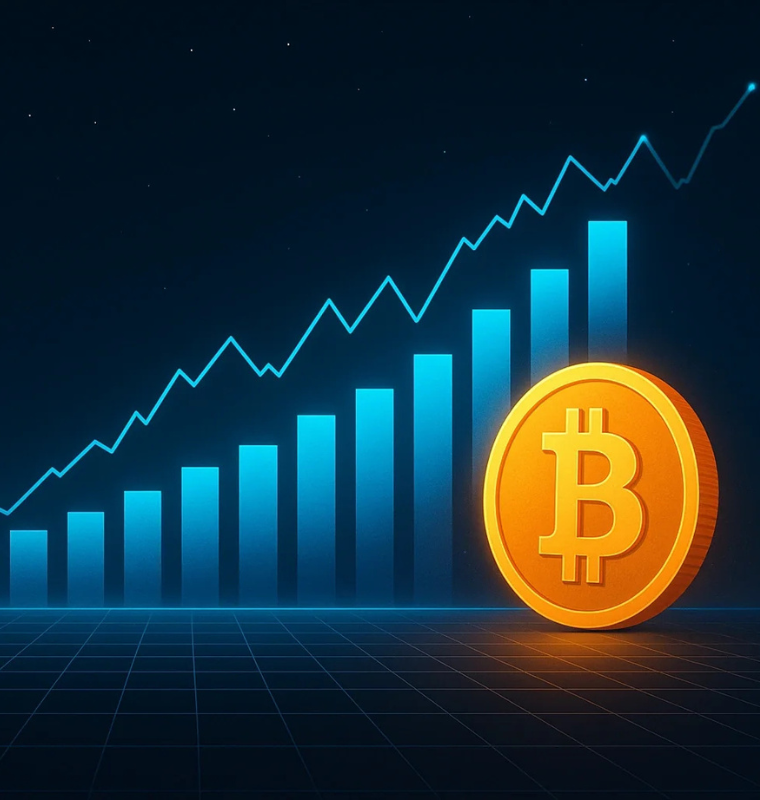
U S Sanctions Target Crypto Wallets Linked to Iran, Freezing 344 Million in Digital Assets

U S Sanctions Target Crypto Wallets Linked to Iran, Freezing 344 Million in Digital Assets
By
David Goldfarb
Last updated:
April 27, 2026
First Published:
April 27, 2026


Escalating Enforcement in Digital Asset Space
The United States has expanded its financial enforcement strategy by targeting cryptocurrency wallets associated with entities linked to Iran. This move reflects a broader effort to extend traditional sanctions frameworks into decentralized financial systems. The action highlights how digital assets are now fully integrated into global regulatory and security considerations.
The decision to freeze approximately 344 million in digital assets marks one of the most significant enforcement actions in recent cryptocurrency history. It demonstrates the increasing capability of authorities to track and intervene in blockchain based transactions when national security concerns are involved.
Strengthening of Cross Border Financial Surveillance
This development signals a major advancement in cross border financial monitoring. Regulatory agencies are increasingly collaborating with blockchain analytics firms to trace transaction flows across multiple networks. These tools allow authorities to identify patterns linked to sanctioned entities with higher precision than in previous years.
Such capabilities are reshaping how digital anonymity is perceived. While cryptocurrency systems were once considered difficult to regulate, enhanced tracing technologies have made it possible to connect wallet activity with real world actors under specific conditions.
Impact on Global Crypto Market Confidence
Market participants have responded cautiously to the news, as large scale asset freezes often raise concerns about regulatory unpredictability. However, institutional investors generally view clearer enforcement actions as a sign of maturing market structure rather than instability.
By defining clearer boundaries of acceptable activity, regulators are effectively reducing uncertainty for compliant market participants. This helps strengthen long term confidence in digital asset markets, especially among institutional capital allocators.
Expansion of Blockchain Analytics Tools
The enforcement action underscores the growing importance of blockchain analytics in global finance. Specialized firms now play a critical role in assisting governments and exchanges in identifying illicit activity. These tools analyze transaction histories, wallet clusters, and behavioral patterns across networks.
As these systems become more sophisticated, the distinction between anonymous and traceable activity continues to narrow. This evolution is influencing how exchanges design compliance frameworks and how users interact with digital asset platforms.
Pressure on Centralized Exchanges
Centralized exchanges are increasingly under pressure to ensure strict compliance with international sanctions regimes. Many platforms have already strengthened their verification processes and monitoring systems to avoid exposure to restricted entities.
Failure to comply with enforcement expectations can result in significant legal and financial consequences. As a result, exchanges are investing heavily in compliance infrastructure to align with evolving regulatory standards.
Shift in Perception of Crypto Neutrality
The notion that cryptocurrency operates outside geopolitical influence is gradually being challenged. This enforcement action illustrates that digital assets are now firmly embedded within global political and financial systems.
While blockchain technology remains decentralized in structure, access points such as exchanges and custodial services introduce regulatory touchpoints. These entry points allow governments to apply traditional financial rules within a digital context.
Increased Institutional Caution in Emerging Markets
Institutional investors operating in emerging markets are becoming more cautious as geopolitical risk factors intersect with digital asset exposure. The possibility of wallet freezes or transaction restrictions adds a new dimension to risk assessment models.
This does not necessarily reduce overall interest in crypto assets, but it does encourage more careful due diligence and jurisdictional planning when allocating capital across global markets.
Acceleration of Regulatory Framework Development
Governments around the world are likely to accelerate the development of clearer regulatory frameworks for cryptocurrency usage. Actions such as large scale asset freezes often serve as catalysts for policy refinement and international coordination.
This trend suggests a future where digital asset regulation becomes more standardized across jurisdictions, reducing fragmentation and improving enforcement consistency.
Implications for Privacy Focused Users
Privacy focused cryptocurrency users may face increased scrutiny as enforcement tools become more advanced. While legitimate privacy remains a core principle of blockchain design, regulatory pressure is pushing platforms to balance transparency with user protection.
This tension is expected to continue shaping the evolution of privacy technologies within the crypto ecosystem.
Long Term Market Structural Effects
In the long term, enforcement actions of this scale may contribute to a more regulated and institutionally accepted cryptocurrency market. Although short term reactions can include volatility, clearer enforcement boundaries often support sustainable growth.
As digital assets become more integrated into global financial systems, regulatory actions such as this one will likely become a standard feature of market evolution rather than an exception.

Popular articles



Subscribe to unlock premium content
Imran Khan’s Economic Missteps Amid Political Chaos in Pakistan

The Philippines’ Digital Shift How Remittances and BPO Are Fueling Growth

Is the Era of Globalization Over or Just Evolving?
Imran Khan’s Economic Missteps Amid Political Chaos in Pakistan
The Philippines’ Digital Shift How Remittances and BPO Are Fueling Growth
Imran Khan’s Economic Missteps Amid Political Chaos in Pakistan