Tokenized Gold and Real World Assets Gain Momentum as Investors Seek Stability in Digital Markets

Tokenized Gold and Real World Assets Gain Momentum as Investors Seek Stability in Digital Markets
By
Augusta Parker
Last updated:
June 21, 2026
First Published:
June 21, 2026

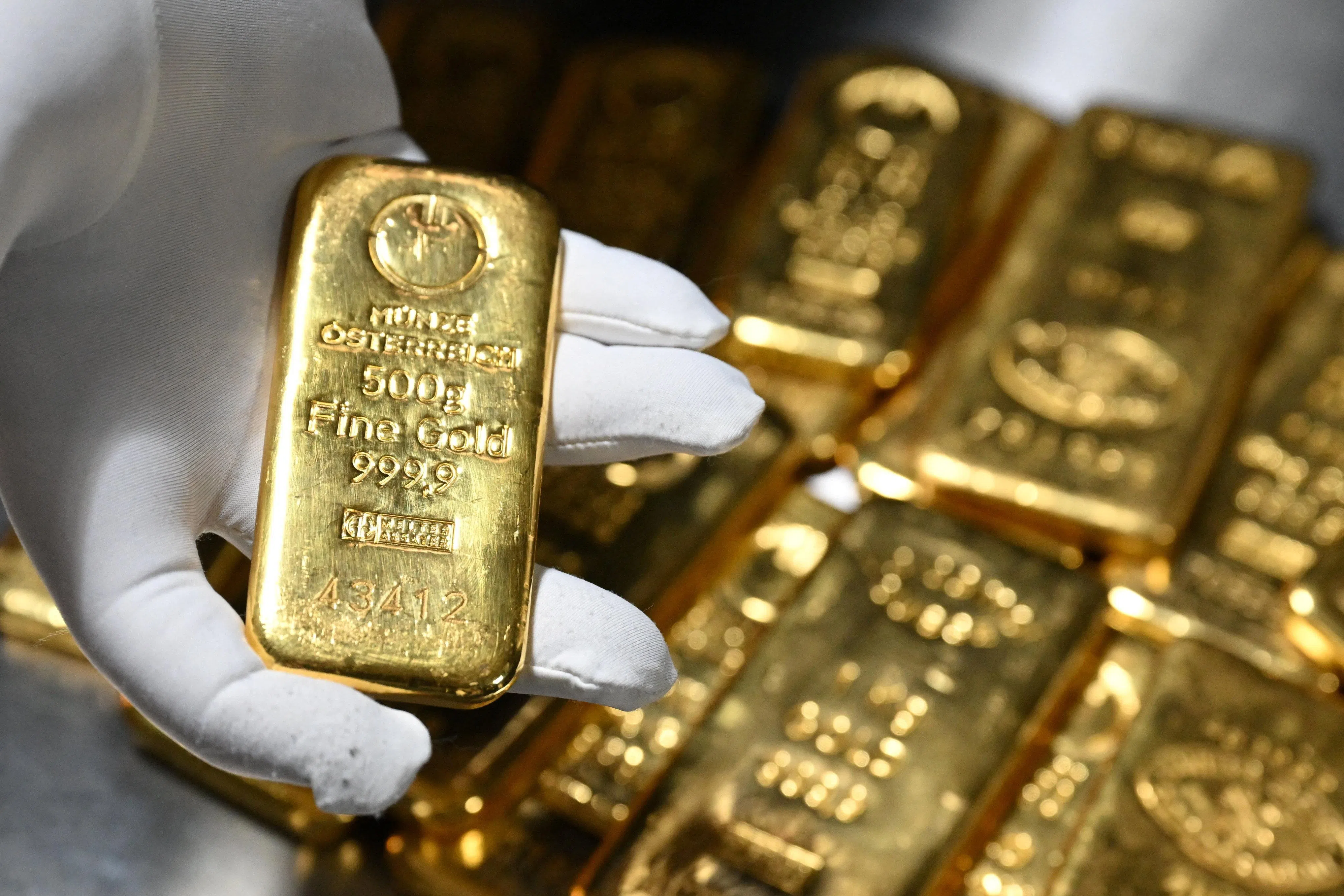
Photo: The Business Times
A New Chapter Begins for Blockchain Based Finance
The cryptocurrency industry is entering a new stage of development as tokenized gold and other real world assets continue to attract growing attention from investors around the world. After years of focus on speculative trading, meme tokens, and highly volatile digital assets, market participants are increasingly exploring blockchain based products connected to tangible assets with established value.
This shift reflects a broader transformation occurring throughout the digital asset sector. Investors are looking for opportunities that combine the efficiency and accessibility of blockchain technology with the stability and familiarity of traditional financial assets. As a result, tokenized gold, government securities, commodities, real estate interests, and other asset backed instruments are becoming some of the fastest growing segments of the industry.
The growing popularity of these products is helping reshape perceptions of what blockchain technology can accomplish beyond cryptocurrency trading.
Understanding Tokenized Real World Assets
Real world asset tokenization refers to the process of representing ownership rights to physical or traditional financial assets on a blockchain network. Through tokenization, assets that historically existed within conventional financial systems can be traded, transferred, and managed using blockchain technology.
Instead of relying solely on paper documentation or traditional intermediaries, ownership can be represented digitally through blockchain based tokens. These tokens provide investors with access to underlying assets while benefiting from the transparency, efficiency, and programmability of distributed ledger technology.
The concept has attracted considerable interest because it bridges the gap between traditional finance and decentralized digital ecosystems.
Why Tokenized Gold Is Attracting Attention
Gold has long been regarded as one of the world's most trusted stores of value. For centuries, investors have turned to the precious metal during periods of economic uncertainty, inflation concerns, and geopolitical instability.
Tokenized gold seeks to modernize this traditional investment by combining physical gold ownership with blockchain technology. Investors gain exposure to gold while benefiting from digital accessibility, easier transferability, and the ability to participate in blockchain based financial applications.
This combination has become increasingly attractive as market participants seek assets that can provide stability while still allowing participation in the growing digital economy.
Economic Uncertainty Drives Investor Interest
Recent economic conditions have contributed significantly to rising interest in tokenized assets. Inflation concerns, changing interest rate expectations, geopolitical developments, and broader market volatility have encouraged investors to explore alternative strategies for preserving wealth.
During uncertain periods, many individuals and institutions seek investments backed by tangible assets with established track records. Tokenized gold and other real world assets fit this profile because they combine traditional value propositions with modern technological infrastructure.
As investors become more selective regarding risk exposure, asset backed blockchain products are emerging as appealing alternatives within diversified portfolios.
The Advantages of Blockchain Based Ownership
One of the primary reasons tokenized assets are gaining popularity is the efficiency provided by blockchain technology. Traditional asset transactions often involve multiple intermediaries, lengthy settlement periods, and administrative complexities.
Blockchain systems can streamline many of these processes by enabling near instantaneous transfers, transparent ownership records, and automated transaction verification. This efficiency has the potential to reduce costs while improving accessibility for investors.
In addition, blockchain technology enables fractional ownership, allowing investors to purchase smaller portions of assets that may have previously required substantial capital commitments.
Institutional Interest Continues to Expand
Large financial institutions are increasingly exploring opportunities within the tokenized asset sector. Asset managers, banks, investment firms, and financial technology companies recognize the potential benefits associated with digitizing traditional assets.
Institutional participation is particularly important because it contributes to market credibility, liquidity, and infrastructure development. As more established organizations enter the space, confidence in tokenized asset markets continues to strengthen.
Many industry observers believe institutional involvement will play a critical role in accelerating adoption and expanding the range of tokenized products available to investors.
Beyond Gold: The Expanding Universe of Tokenized Assets
While gold remains one of the most recognized examples, the tokenization trend extends far beyond precious metals. Real estate, government bonds, private credit instruments, commodities, equities, and infrastructure investments are all being explored as candidates for blockchain based representation.
The ability to digitize a wide variety of assets creates opportunities for increased market efficiency and broader investor participation. Assets that were once difficult to access may become available to a much larger audience through tokenized structures.
This expansion is contributing to the development of a more interconnected financial ecosystem where traditional and digital assets coexist within shared technological frameworks.
Decentralized Finance Creates Additional Utility
The growth of decentralized finance has further increased interest in tokenized real world assets. Once represented on blockchain networks, these assets can potentially interact with decentralized lending platforms, liquidity pools, and other financial applications.
This additional utility differentiates tokenized assets from many traditional investment products. Rather than simply holding an asset, investors may gain access to new opportunities for generating returns or participating in broader financial ecosystems.
As decentralized finance continues to evolve, the integration of real world assets is expected to become an increasingly important area of innovation.
Regulatory Progress Supports Industry Growth
Regulatory clarity remains one of the most important factors influencing the future of tokenized assets. Governments and financial authorities around the world are actively evaluating frameworks designed to accommodate blockchain innovation while maintaining investor protections.
Although approaches vary across jurisdictions, progress toward clearer regulations is encouraging greater participation from both institutions and retail investors. Well defined rules can reduce uncertainty and provide the confidence necessary for long term market development.
As regulatory frameworks mature, tokenized asset markets are likely to benefit from increased legitimacy and broader adoption.
Challenges Still Need to Be Addressed
Despite strong momentum, the tokenized asset sector continues to face several challenges. Legal considerations, custody arrangements, valuation standards, interoperability requirements, and regulatory compliance remain important areas of focus.
Industry participants must also ensure that tokenized products maintain transparency regarding asset backing and ownership structures. Trust is essential for attracting investors and supporting sustainable growth.
Successfully addressing these challenges will be critical as the sector moves from early adoption toward mainstream acceptance.
The Future of Asset Ownership
Many experts believe tokenization has the potential to transform how assets are owned, traded, and managed. By combining the strengths of traditional finance with blockchain technology, tokenized assets may create more efficient and inclusive financial markets.
Investors could benefit from greater accessibility, enhanced liquidity, and expanded investment opportunities. At the same time, financial institutions may discover new methods for delivering products and services in increasingly digital environments.
This evolution represents one of the most promising developments currently underway within the blockchain industry.
The growing popularity of tokenized gold and real world assets reflects a broader shift toward practical blockchain applications that deliver tangible value. As investors seek stability amid economic uncertainty and market volatility, asset backed digital products are emerging as a compelling alternative to purely speculative investments.
Supported by technological innovation, institutional participation, and expanding regulatory clarity, the tokenized asset sector is positioned for significant growth in the years ahead. While challenges remain, the momentum behind real world asset tokenization suggests that blockchain technology is entering a new phase focused on connecting digital efficiency with traditional financial value.
For the cryptocurrency industry, this trend may ultimately become one of the most important drivers of adoption, helping bridge the gap between conventional finance and the next generation of blockchain powered markets.

Popular articles



Subscribe to unlock premium content
Ripple and Bitso Expand Partnership as RLUSD Stablecoin Ecosystem Gains Momentum
Bybit Introduces Tokenized SpaceX IPO Shares in Landmark Real World Asset Initiative
Crypto Tax Debate Intensifies in Washington Over Mining and Staking Rewards
Ripple and Bitso Expand Partnership as RLUSD Stablecoin Ecosystem Gains Momentum
Bybit Introduces Tokenized SpaceX IPO Shares in Landmark Real World Asset Initiative
Ripple and Bitso Expand Partnership as RLUSD Stablecoin Ecosystem Gains Momentum