Crypto Firms Expand Presence Around FIFA World Cup 2026
By
Rachel Steinberg
Last updated:
June 21, 2026
First Published:
June 21, 2026

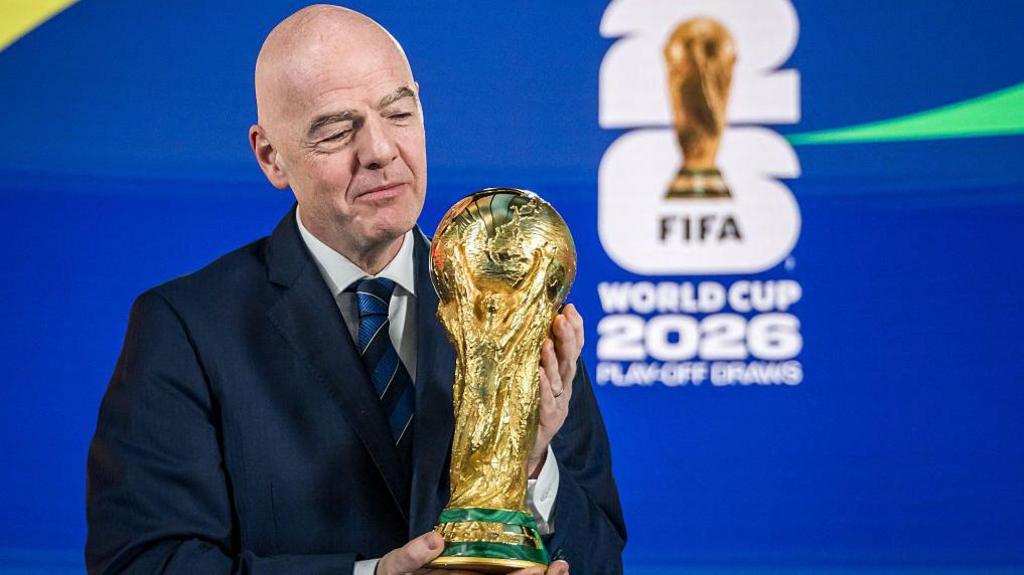
Photo: BBC
The Global Stage of Football Meets the Digital Asset Industry
The FIFA World Cup 2026 is not only one of the largest sporting events in history but also a major opportunity for the cryptocurrency industry to showcase its growing influence on the global stage. As millions of football fans prepare to follow the tournament across multiple continents, blockchain companies, cryptocurrency exchanges, digital asset platforms, and Web3 innovators are increasing their presence through partnerships, sponsorships, fan engagement initiatives, and technology integrations.
The convergence of sports and blockchain technology has become one of the most significant trends in recent years. What began as a handful of sponsorship agreements has evolved into a comprehensive strategy aimed at introducing digital assets and decentralized technologies to mainstream audiences around the world.
For many companies within the cryptocurrency sector, the World Cup represents a unique opportunity to connect with consumers who may have little prior exposure to blockchain based products and services.
Why the FIFA World Cup Matters to Crypto Companies
The FIFA World Cup remains one of the most watched sporting events on the planet. The tournament attracts billions of viewers and generates enormous levels of engagement across television, streaming platforms, social media networks, and live events.
This unparalleled visibility makes the competition an attractive platform for brands seeking global recognition. Cryptocurrency companies view the tournament as an opportunity to increase awareness, build credibility, and introduce blockchain technology to a broader audience.
Unlike traditional marketing campaigns that often target existing crypto users, World Cup related initiatives allow companies to engage with everyday consumers through experiences connected to their passion for football.
Sponsorships Continue to Drive Industry Visibility
One of the most noticeable ways cryptocurrency firms are participating in the World Cup ecosystem is through sponsorship agreements. These partnerships place blockchain related brands in front of millions of fans through advertising campaigns, stadium branding, digital content, and promotional activities.
Sports sponsorships have become a major component of cryptocurrency marketing strategies because they provide immediate exposure to highly engaged audiences. Football in particular offers access to fans from diverse regions, cultures, and economic backgrounds.
As competition within the digital asset industry continues to intensify, companies are increasingly using major sporting events to differentiate themselves and strengthen brand recognition on a global scale.
Fan Engagement Enters a New Era
Beyond traditional sponsorships, blockchain technology is transforming how fans interact with sports organizations. Teams and organizations are exploring new methods of engagement that leverage digital ownership, interactive experiences, and community participation.
Blockchain powered platforms enable supporters to access exclusive content, participate in special promotions, collect digital memorabilia, and engage with their favorite teams in innovative ways. These experiences create deeper relationships between sports organizations and their audiences.
The World Cup provides an ideal environment for testing and expanding these initiatives because fan enthusiasm reaches extraordinary levels throughout the tournament.
Digital Collectibles Gain Momentum
Digital collectibles have emerged as one of the most recognizable applications of blockchain technology in sports. These assets allow fans to own authenticated digital items connected to players, teams, memorable moments, and tournament history.
Unlike traditional collectibles, blockchain based assets provide transparent ownership records and verifiable authenticity. This combination of scarcity and digital accessibility has attracted significant interest from sports enthusiasts around the world.
As World Cup excitement builds, many industry observers expect digital collectibles to play an increasingly important role in fan engagement strategies. The tournament creates countless memorable moments that can be transformed into valuable digital experiences for supporters.
The Role of Web3 in Sports Innovation
Web3 technologies are expanding the possibilities available to sports organizations and fans alike. Through decentralized systems, organizations can create more direct relationships with supporters while reducing dependence on traditional intermediaries.
These technologies enable new forms of participation that extend beyond passive viewership. Fans can become active contributors to communities, engage with exclusive experiences, and access benefits tied to digital ownership.
The World Cup serves as a powerful demonstration platform for these innovations because it combines massive audiences with intense emotional engagement. This environment provides ideal conditions for introducing new digital experiences.
Cryptocurrency Adoption Through Everyday Experiences
One of the industry's long term goals is increasing cryptocurrency adoption beyond traditional investment activities. Sports partnerships help achieve this objective by integrating blockchain technology into experiences that consumers already understand and enjoy.
Rather than focusing solely on trading or speculation, many companies are emphasizing practical use cases related to entertainment, rewards programs, digital identity, and community engagement. This approach allows users to interact with blockchain technology without needing extensive technical knowledge.
The World Cup offers an opportunity to demonstrate how digital assets can enhance real world experiences in ways that feel natural and accessible.
Global Reach Creates New Opportunities
The 2026 tournament is particularly significant because it spans multiple host nations and is expected to attract unprecedented levels of international participation. This expanded global reach aligns closely with the borderless nature of blockchain technology.
Cryptocurrency companies often operate across multiple regions and serve users from numerous countries. A worldwide sporting event provides an ideal setting for communicating a message of global connectivity and digital innovation.
As audiences from different parts of the world engage with tournament content, blockchain brands gain opportunities to establish recognition in both emerging and established markets.
Challenges Remain Despite Growing Interest
Although enthusiasm surrounding sports and blockchain integration continues to grow, challenges remain. Regulatory uncertainty, consumer education, security concerns, and market volatility continue to influence public perceptions of the cryptocurrency industry.
Companies must balance innovation with responsible communication. Building trust requires transparency, clear messaging, and products that provide genuine value to users.
The success of World Cup related initiatives will depend not only on marketing visibility but also on the ability to deliver meaningful experiences that resonate with fans beyond the tournament itself.
The Long Term Impact on Blockchain Adoption
Industry analysts believe that sports partnerships could play a major role in accelerating blockchain adoption over the coming years. Major sporting events provide a powerful platform for introducing emerging technologies to mainstream audiences.
The visibility generated through the FIFA World Cup may encourage new users to explore digital wallets, blockchain applications, tokenized experiences, and decentralized platforms. Even individuals with no prior interest in cryptocurrency may encounter blockchain technology through sports related interactions.
This gradual introduction process could contribute significantly to long term adoption and industry growth.
The FIFA World Cup 2026 represents a landmark opportunity for the cryptocurrency and blockchain industry. Through sponsorships, fan engagement initiatives, digital collectibles, and Web3 innovations, companies are positioning themselves at the intersection of sports, technology, and global entertainment.
As billions of fans follow the tournament, blockchain firms hope to demonstrate the practical value of their technologies while expanding awareness among mainstream audiences. Whether through digital ownership, interactive experiences, or enhanced fan participation, the World Cup is becoming an important stage for the next chapter of blockchain adoption.
The growing relationship between football and digital assets reflects a broader trend in which technology is reshaping how people connect with the sports, communities, and experiences they love. For the blockchain industry, the tournament may prove to be one of the most influential moments in its ongoing journey toward global acceptance.

Popular articles



Subscribe to unlock premium content
Ripple and Bitso Expand Partnership as RLUSD Stablecoin Ecosystem Gains Momentum
Bybit Introduces Tokenized SpaceX IPO Shares in Landmark Real World Asset Initiative
Crypto Tax Debate Intensifies in Washington Over Mining and Staking Rewards

Ripple and Bitso Expand Partnership as RLUSD Stablecoin Ecosystem Gains Momentum
Bybit Introduces Tokenized SpaceX IPO Shares in Landmark Real World Asset Initiative
Ripple and Bitso Expand Partnership as RLUSD Stablecoin Ecosystem Gains Momentum
.png)