

Solana Surpasses Ethereum in Network Revenue
By
David Goldfarb
Last updated:
December 30, 2025
First Published:
December 30, 2025

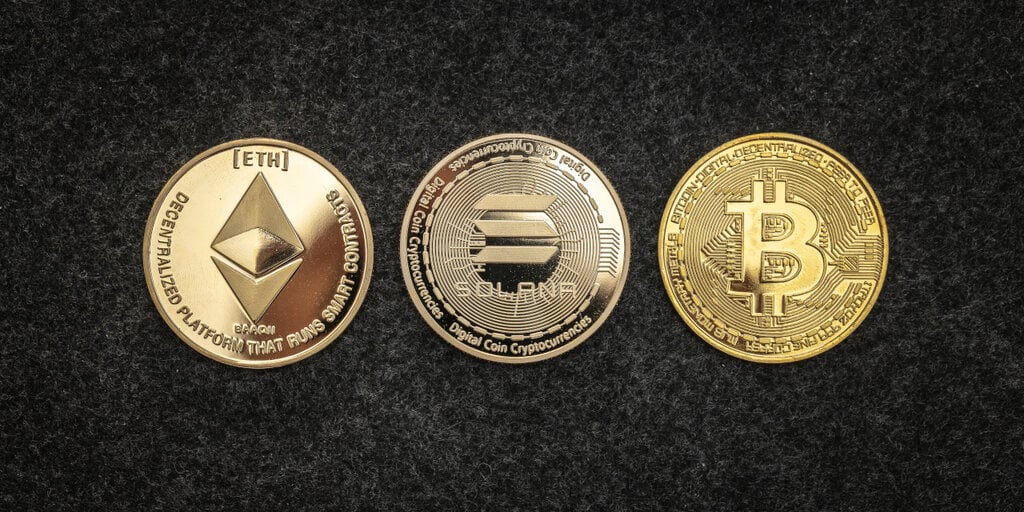
Photo: Decrypt
A Defining Moment for Layer One Competition
In 2025 the cryptocurrency industry witnessed a structural shift as Solana generated higher network revenue than Ethereum over the year. This milestone did not occur overnight but emerged from consistent changes in user behavior application demand and cost sensitivity across decentralized ecosystems.
Understanding What Network Revenue Represents
Network revenue refers primarily to fees paid by users to process transactions and interact with smart contracts. It is a direct signal of economic activity rather than speculative price action. When a blockchain produces higher revenue it indicates sustained usage and real demand for block space.
Why Solana Gained Momentum in 2025
Solana benefited from its ability to process high transaction volumes at low cost. This efficiency attracted developers building consumer focused applications such as gaming social protocols and high frequency trading platforms. As usage scaled the aggregate fee volume quietly climbed throughout the year.
Ethereum Strength Remains but Pressure Increased
Ethereum continues to dominate in institutional adoption and high value decentralized finance. However rising congestion during peak activity periods pushed some users toward alternatives. Even with layer two solutions available many developers sought a base layer that offered speed without additional architectural complexity.
Retail Activity Played a Major Role
A significant portion of Solana revenue growth came from retail driven activity. Meme tokens on chain trading and non fungible token marketplaces created constant transaction flow. While individual fees were low the sheer volume translated into meaningful revenue over time.
Developer Experience and Deployment Speed
Developers increasingly favored environments where applications could scale quickly without unpredictable gas costs. Solana tooling matured in 2025 reducing past stability concerns. Faster iteration cycles allowed teams to experiment launch and monetize products more efficiently than before.
Market Perception Shifted Gradually
Rather than a sudden narrative flip the market slowly adjusted its perception of Solana. Investors began to view it not just as a fast chain but as a commercially viable network. Revenue data reinforced this shift by grounding valuation discussions in fundamentals rather than hype.
Implications for Ethereum Strategy
Ethereum leadership has long prioritized decentralization and security over raw throughput. The revenue comparison does not invalidate that approach but it highlights tradeoffs. The ecosystem is now under pressure to ensure that scalability upgrades translate into tangible economic competitiveness.
What This Means for Layer One Valuations
Revenue based analysis is becoming more prominent among investors. Chains that can demonstrate sustainable fee generation may command higher long term confidence. Solana success strengthens the argument that user experience and cost efficiency directly impact financial performance.
Looking Ahead Into 2026
The revenue flip does not signal the end of Ethereum dominance nor does it guarantee Solana permanence at the top. Instead it marks a more competitive era where multiple base layers can thrive based on different strengths. For the broader crypto economy this diversification may ultimately drive innovation and resilience.

Popular articles



Subscribe to unlock premium content
Disney’s Timeless Magic and How the Entertainment Giant Continues to Shape Culture and Innovation

Imran Khan’s Economic Missteps Amid Political Chaos in Pakistan

The Philippines’ Digital Shift How Remittances and BPO Are Fueling Growth

Disney’s Timeless Magic and How the Entertainment Giant Continues to Shape Culture and Innovation
Imran Khan’s Economic Missteps Amid Political Chaos in Pakistan
Disney’s Timeless Magic and How the Entertainment Giant Continues to Shape Culture and Innovation