Record Breaking Crypto Mergers Are Quietly Redefining the Industry

Record Breaking Crypto Mergers Are Quietly Redefining the Industry
By
Calder Monroe
Last updated:
December 25, 2025
First Published:
December 25, 2025


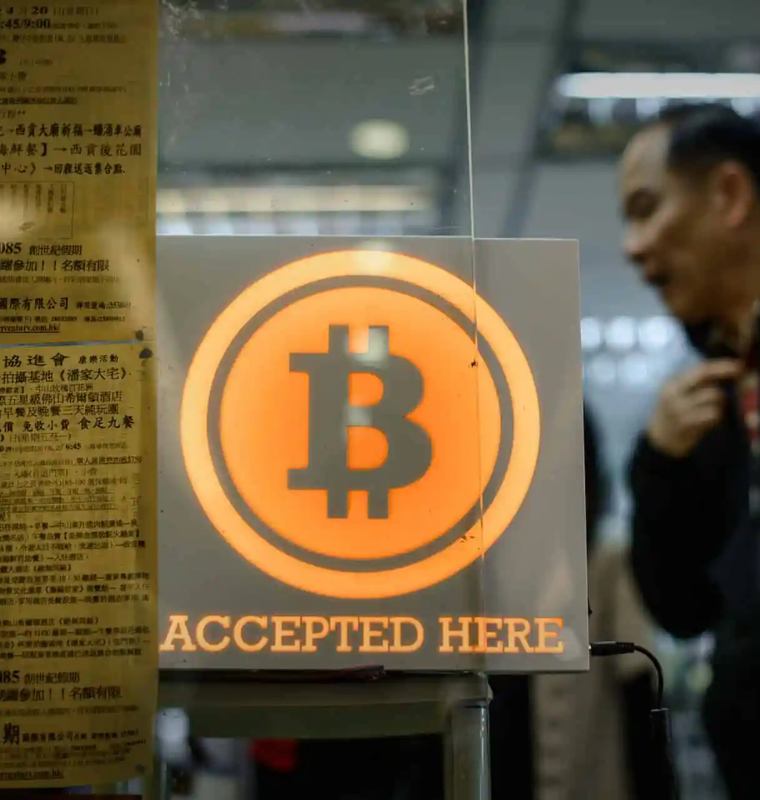
Photo: Business Observer
A Market Shift That Did Not Arrive Loudly
The cryptocurrency industry in 2025 did not transform through one dramatic crash or one euphoric rally. Instead it evolved through a steady wave of mergers acquisitions and strategic buyouts that quietly altered who holds influence and who sets direction. While price movements grabbed public attention consolidation worked behind the scenes reshaping the foundations of the market itself.
Why Consolidation Accelerated This Year
One of the biggest drivers behind this surge was survival mixed with opportunity. Smaller platforms faced rising operational costs stricter compliance expectations and shrinking margins. At the same time larger firms sitting on strong balance sheets saw an opening to absorb technology talent and market share at valuations that felt reasonable compared to earlier hype driven cycles.
Institutional Money Changed the Rules
As institutional capital became more involved expectations changed rapidly. Traditional investors prefer scale clarity and predictable governance. Fragmented ecosystems filled with overlapping services did not fit that vision. Mergers offered a way to streamline offerings reduce redundancy and present a more familiar structure to banks funds and corporate partners entering crypto seriously.
Exchanges Became the Center of Gravity
Crypto exchanges played a central role in this consolidation phase. Many expanded beyond trading into custody payments analytics and even token issuance infrastructure. By acquiring specialized startups exchanges transformed themselves into full ecosystem providers rather than single function platforms which further concentrated influence within fewer entities.
Technology Was Often the Real Prize
In many deals user numbers were not the main attraction. Proprietary technology security frameworks and blockchain infrastructure were the true assets. Acquiring a development team with proven systems often made more sense than building from scratch especially in an environment where speed to market mattered more than experimentation.
Regulation Pushed Companies Together
Regulatory pressure also acted as a strong unifying force. Compliance costs rose across multiple jurisdictions making it difficult for smaller players to operate independently. Joining a larger regulated entity offered legal protection operational stability and continued access to key markets without the burden of navigating complex frameworks alone.
The Impact on Competition and Innovation
There is an ongoing debate about whether consolidation stifles innovation or enables it. While fewer players can reduce experimentation consolidation can also provide resources for deeper research better security and long term product development. In 2025 the industry began shifting from chaotic innovation toward more deliberate and structured progress.
What This Means for Users
For everyday users consolidation brought mixed outcomes. On one hand platforms became more reliable with better customer support and stronger safeguards. On the other hand reduced competition raised concerns around fees data control and limited alternatives. Trust now depends more heavily on how responsibly large platforms use their growing power.
Market Confidence and Long Term Stability
Consolidation also sent a signal to global markets that crypto is entering a maturity phase. The presence of structured deals audits and long term strategies helped reposition the industry away from speculation alone. This shift improved confidence among cautious investors who previously viewed crypto as unstable or fragmented.
Looking Ahead to the Next Phase
The consolidation wave of 2025 is unlikely to be the final one. Instead it marks the beginning of a more organized crypto era where dominant players coexist with niche innovators. The challenge ahead lies in balancing scale with openness and profit with decentralization. How the industry handles this balance will define its credibility in the years to come.
Final Reflection on a Changing Landscape
Crypto did not lose its rebellious spirit in 2025 but it learned to operate within structure. Mergers and acquisitions became the language of growth replacing unchecked expansion with calculated moves. For observers and participants alike understanding this shift is essential because the future of crypto will be shaped less by noise and more by who controls the infrastructure beneath it.

Popular articles



Subscribe to unlock premium content
Disney’s Timeless Magic and How the Entertainment Giant Continues to Shape Culture and Innovation

Imran Khan’s Economic Missteps Amid Political Chaos in Pakistan

The Philippines’ Digital Shift How Remittances and BPO Are Fueling Growth

Disney’s Timeless Magic and How the Entertainment Giant Continues to Shape Culture and Innovation
Imran Khan’s Economic Missteps Amid Political Chaos in Pakistan
Disney’s Timeless Magic and How the Entertainment Giant Continues to Shape Culture and Innovation