

Political Shifts Influence Crypto Regulation
By
Rachel Steinberg
Last updated:
December 29, 2025
First Published:
December 29, 2025

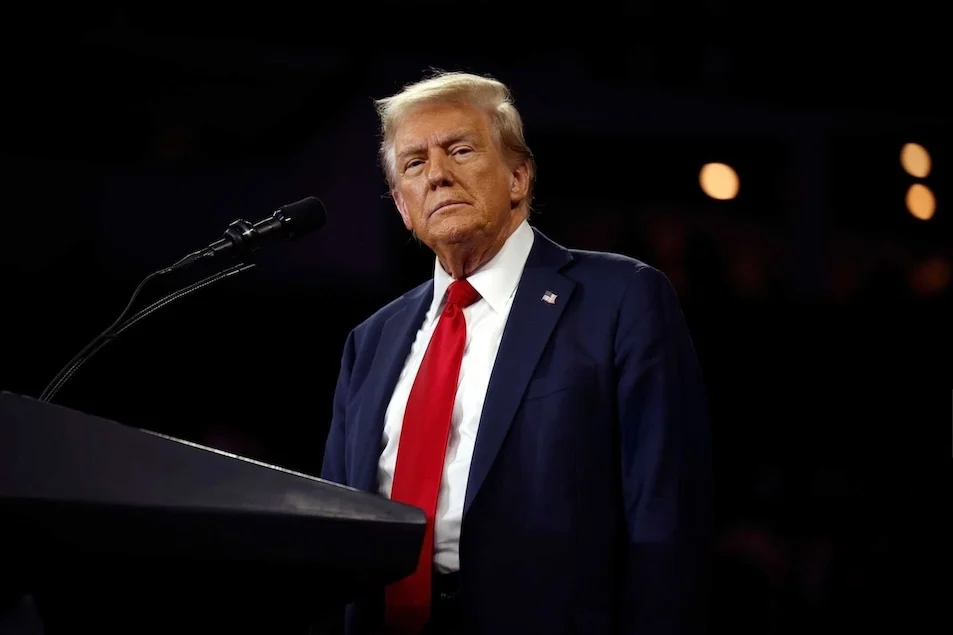
Photo: Built In
Election Outcomes Spark Regulatory Debate
As the results of the U.S. House races become clearer, the cryptocurrency industry is paying close attention to potential shifts in regulatory priorities. Lawmakers are increasingly vocal about digital asset oversight, with debates highlighting the balance between innovation and investor protection.
Criticism of SEC Leadership Intensifies
Some newly elected representatives have openly questioned the current approach of the Securities and Exchange Commission toward cryptocurrencies. They argue that enforcement strategies have been inconsistent and sometimes stifling to innovation. These critiques are creating a public dialogue about how regulatory frameworks may evolve.
Industry Stakeholders Watch Closely
Entrepreneurs, investors, and blockchain advocates are closely monitoring these political developments. Changes in leadership or committee compositions can directly influence how laws are interpreted, how new legislation is proposed, and which projects receive scrutiny or support.
Potential for Legislative Action
Beyond rhetoric, some lawmakers are pushing for concrete measures to establish clearer rules for crypto assets. Proposed legislation could address token classification, exchange registration, and investor protection measures. If passed, these laws may reduce uncertainty that has long hindered industry growth.
Impact on Investor Confidence
Political uncertainty can influence market behavior even without immediate policy changes. Investors may adopt a wait-and-see approach, temporarily slowing trading or capital allocation. For companies raising funds through token sales, this environment requires careful communication to maintain trust.
Global Implications
U.S. political and regulatory shifts have ripple effects on international markets. Countries that compete to attract blockchain startups pay attention to U.S. policy trends. A perceived crackdown or shift in enforcement philosophy can redirect talent and investment to other jurisdictions with more predictable frameworks.
Dialogue Between Industry and Regulators
The political spotlight may encourage more direct engagement between lawmakers and the crypto industry. Forums, hearings, and advisory committees could become platforms for discussing innovation-friendly policies while addressing investor risks. Constructive dialogue may lead to a more balanced regulatory landscape.
Technological Innovation Remains Unstoppable
Despite regulatory and political uncertainty, the underlying technology continues to evolve. Decentralized finance, tokenized assets, and blockchain infrastructure are expanding. Policymakers are thus challenged to create frameworks that allow technological progress without exposing participants to undue risk.
Lessons From Past Political Shifts
Historical patterns show that political cycles often result in short-term volatility but do not stop long-term adoption. The crypto industry has weathered previous electoral transitions, and companies that remain adaptable tend to emerge stronger, with clearer strategies and compliance practices.
Outlook for 2026
As the U.S. political environment evolves, the cryptocurrency sector can expect a period of heightened scrutiny but also opportunities for regulatory clarity. Companies and investors who prepare for various scenarios will be better positioned to navigate changes and capitalize on new opportunities.
Popular articles



Subscribe to unlock premium content
Disney’s Timeless Magic and How the Entertainment Giant Continues to Shape Culture and Innovation

Imran Khan’s Economic Missteps Amid Political Chaos in Pakistan

The Philippines’ Digital Shift How Remittances and BPO Are Fueling Growth

Disney’s Timeless Magic and How the Entertainment Giant Continues to Shape Culture and Innovation
Imran Khan’s Economic Missteps Amid Political Chaos in Pakistan
Disney’s Timeless Magic and How the Entertainment Giant Continues to Shape Culture and Innovation