
Political Pressure on Crypto Intensifies as Elizabeth Warren Expands Regulatory Campaign

Political Pressure on Crypto Intensifies as Elizabeth Warren Expands Regulatory Campaign
By
Junia Wells
Last updated:
March 24, 2026
First Published:
March 24, 2026

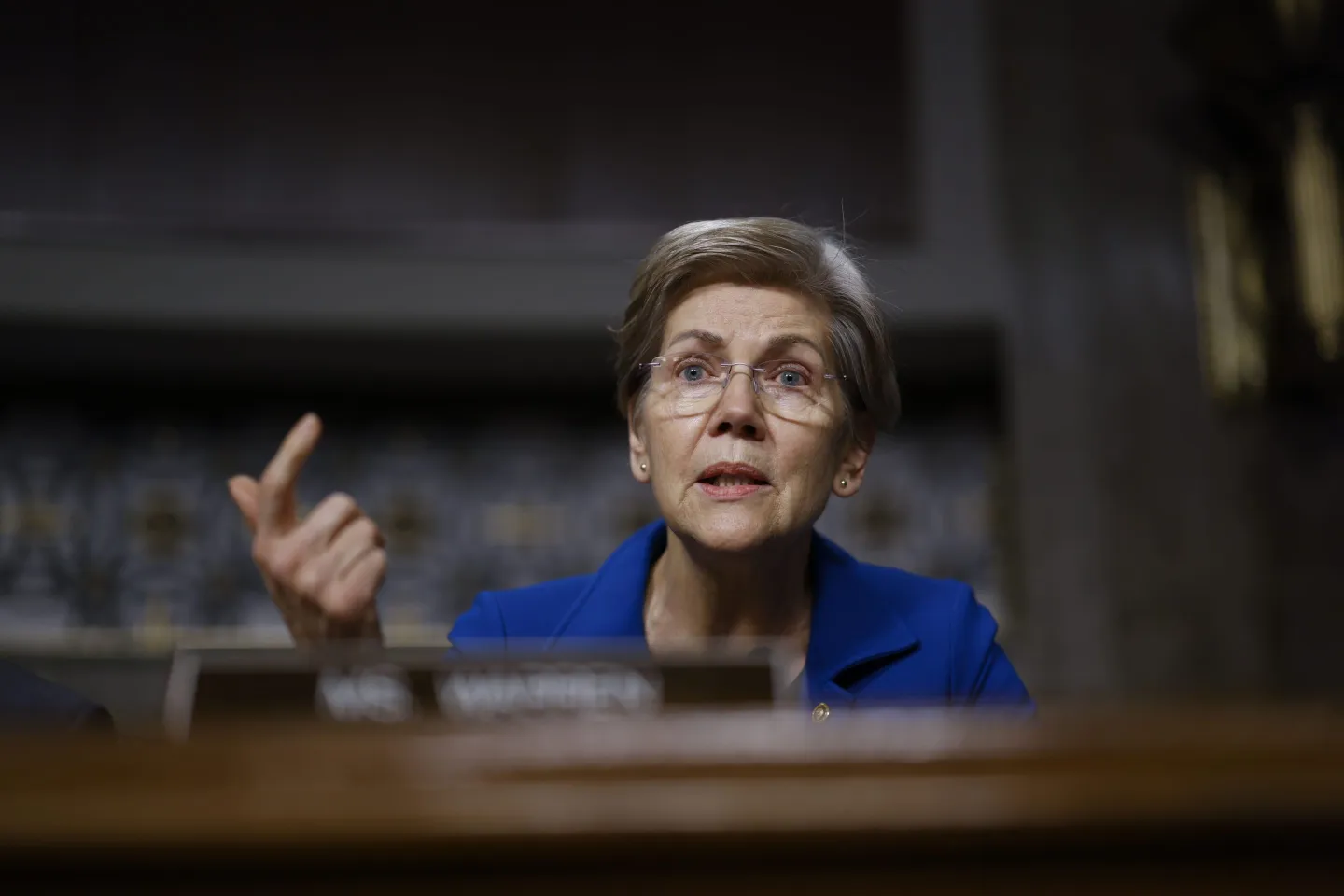
Photo: Fortune
The cryptocurrency industry is entering a politically charged phase as prominent United States Senator Elizabeth Warren continues to amplify her stance against the sector. On March 25, 2026, her expanding campaign to tighten oversight on digital assets reflects a broader shift in how governments are approaching the rapidly evolving crypto ecosystem. What was once considered a niche financial innovation is now at the center of national policy debates.
A Growing Political Movement Against Crypto
Elizabeth Warren has positioned herself as one of the most vocal critics of cryptocurrency, framing the industry as a potential threat to financial stability and consumer protection. Her efforts are not isolated but part of a larger political movement that questions the role of decentralized finance in modern economies. By extending her campaign to new regions and audiences, she is working to build broader support for stricter regulations.
Concerns Over Consumer Protection
A central argument in Warren’s approach is the protection of everyday investors. The volatility of digital assets, combined with high profile cases of fraud and exchange failures, has raised legitimate concerns among policymakers. Warren has consistently highlighted the risks faced by retail participants, emphasizing the need for clearer safeguards and accountability within the industry.
Regulation Versus Innovation Debate
The intensifying political pressure has reignited the long standing debate between regulation and innovation. Supporters of cryptocurrency argue that excessive oversight could stifle technological progress and push innovation offshore. On the other hand, critics believe that a lack of regulation leaves the system vulnerable to abuse. This tension is shaping the narrative around crypto’s future in one of the world’s largest economies.
Impact on Market Sentiment
Political developments often have a direct influence on market sentiment, and this situation is no exception. As regulatory uncertainty increases, investors tend to adopt a more cautious approach. The possibility of new laws or enforcement actions creates an environment where long term planning becomes more complex, particularly for institutional players managing large portfolios.
Institutional Response to Regulatory Signals
Institutions are closely monitoring the evolving regulatory landscape. Many firms are adjusting their strategies to ensure compliance with potential future rules. This includes reassessing exposure to certain assets, strengthening internal controls, and exploring jurisdictions with clearer regulatory frameworks. The actions of policymakers like Elizabeth Warren carry significant weight in these decisions.
Global Implications of US Policy
While the focus remains on the United States, the implications of these developments extend far beyond its borders. The US often sets a precedent that other countries observe and sometimes follow. Stricter regulations in the American market could influence global standards, affecting how crypto businesses operate internationally.
The Role of Advocacy and Industry Response
The crypto industry is not remaining silent in the face of growing scrutiny. Advocacy groups, blockchain companies, and industry leaders are actively engaging with policymakers to present their perspectives. They argue that responsible innovation can coexist with effective regulation, and that collaboration is key to achieving balanced outcomes.
A निर्णायक Moment for the Industry
This period represents a निर्णायक phase for cryptocurrency as it seeks to establish its place within the global financial system. The decisions made by policymakers today could shape the industry’s trajectory for years to come. Whether the outcome leads to tighter control or more nuanced frameworks will depend on ongoing dialogue between regulators and industry participants.
Looking Ahead
As Elizabeth Warren continues to expand her campaign, the crypto market is likely to remain sensitive to political developments. Investors, companies, and developers must stay informed and adaptable in order to navigate this evolving landscape. The intersection of politics and technology is becoming increasingly significant, and its influence on cryptocurrency cannot be ignored.
Ultimately, this moment underscores a broader reality. The future of digital assets will not be determined by technology alone, but by the regulatory environments in which they operate. How that balance is achieved will define the next chapter of the crypto industry.
Popular articles



Subscribe to unlock premium content
Disney’s Timeless Magic and How the Entertainment Giant Continues to Shape Culture and Innovation

Imran Khan’s Economic Missteps Amid Political Chaos in Pakistan

The Philippines’ Digital Shift How Remittances and BPO Are Fueling Growth

Disney’s Timeless Magic and How the Entertainment Giant Continues to Shape Culture and Innovation
Imran Khan’s Economic Missteps Amid Political Chaos in Pakistan
Disney’s Timeless Magic and How the Entertainment Giant Continues to Shape Culture and Innovation